
REVIEW · GJIROKASTER TOURS
2-Hours Guided Drino’s Valley Ride
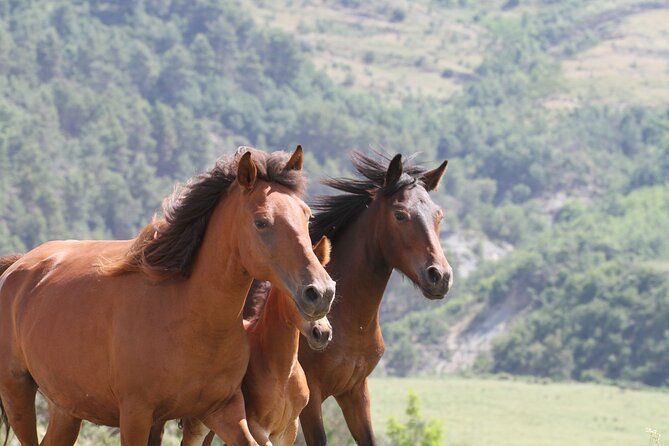
Leave town behind on horseback. This two-hour ride offers a fine way to see rural Gjirokaster, with sure-footed Albanian horses carrying you through farmland, pastures, old irrigation works, and Cold War bunkers. The route ends at scenic Cini Lake, where horses and cattle make a natural subject for photographs.
I like the chance to see a side of the Drino Valley that is easy to miss from town, and I like that the ride includes real local history rather than only pretty views. The story here reaches from wartime villages to Albania’s former collectivized farming system. The main drawback is clear: this tour is only for experienced riders, so it is not a gentle introduction to horseback riding.
The price is $70.98 per person, which is fair if you already ride and want an active, small-group outing. The group is limited to 10 people, the tour is offered in English, and the ride begins at 9:00 a.m. with free cancellation up to 24 hours before departure.
In This Review
- Key Points to Know Before You Saddle Up
- Why This Ride Works for Experienced Horse Riders
- Starting at 9:00 a.m. Near the Equestrian Center
- Riding Through Farms and Pastoral Albania
- Seeing the Traces of Collectivization
- Asim Zeneli and the Valley’s Village Story
- Cini Lake: The Best Photo Stop
- Birds and Open Country Along the Route
- What the Two-Hour Duration Really Gives You
- Is $70.98 a Fair Price?
- Who Should Book This Ride?
- Booking, Cancellation, and Practical Details
- Should You Book the Drino’s Valley Ride?
- FAQ
- How long is the Drino’s Valley horse ride?
- What time does the tour start?
- Is this tour suitable for beginners?
- Where does the ride begin and end?
- Is the tour offered in English?
- Can I cancel for a full refund?
Key Points to Know Before You Saddle Up
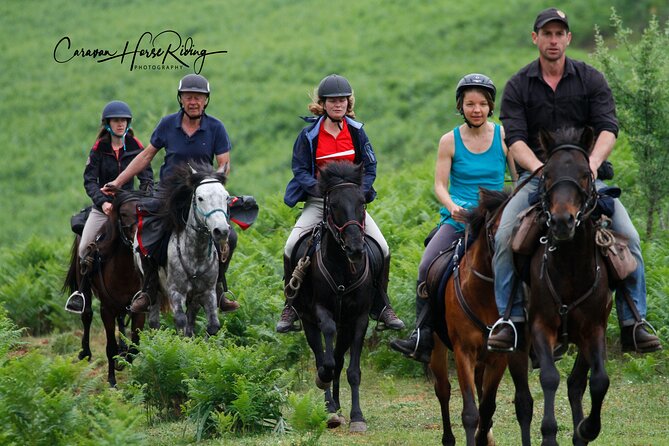
- Experienced riders only: You should already feel comfortable controlling a horse for a two-hour, 10 km ride.
- Cini Lake is the photo stop: The artificial lake covers about 15 hectares and is framed by hills, horses, and cattle.
- Rural Albania comes first: Expect cultivated land, pastoral scenes, old irrigation infrastructure, and village life rather than a polished riding track.
- History is built into the route: You pass Cold War bunkers, traces of collectivization, and the village of Asim Zeneli.
- Bird habitat adds a natural element: The route crosses an area used by Egyptian vultures, golden eagles, and other protected birds.
- A small group helps: With a maximum of 10 people, the outing should feel more personal than a large trail ride.
Why This Ride Works for Experienced Horse Riders
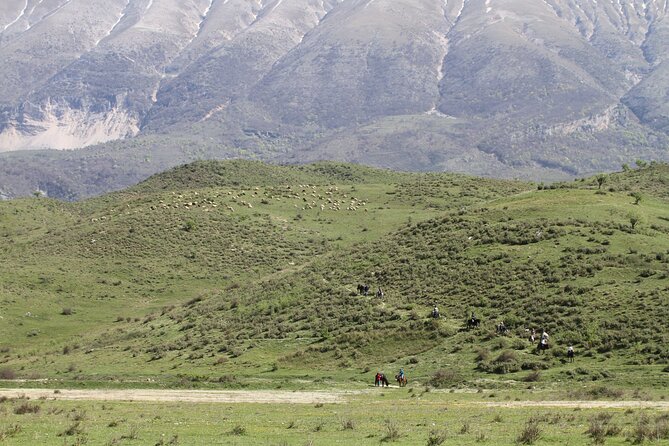
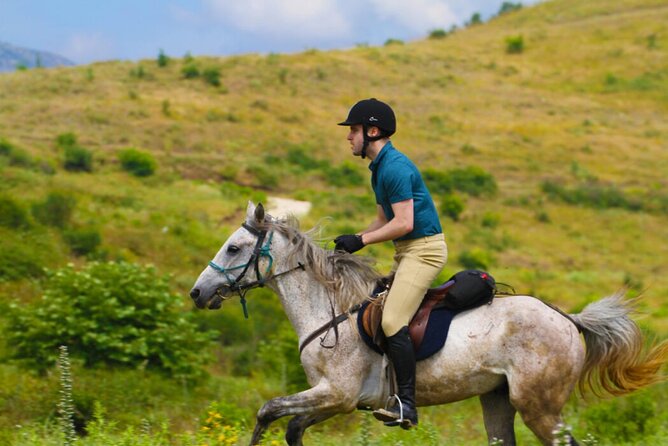
This is not a short pony circuit designed for first-time riders. The ride covers about 10 kilometers in two hours, and the description specifically calls for experienced riders with a moderate level of physical fitness. You should be able to stay balanced, follow riding instructions, and manage a horse outside a simple enclosed arena.
That requirement is important because the appeal of this experience lies in moving through open countryside. A rider who is confident in the saddle can pay attention to the valley, the hills, the birds, and the remains of older farming systems. Someone who is nervous or has only ridden once may spend the entire outing concentrating on staying mounted.
The Albanian horses are described as sure-footed and easy to ride. That does not remove the need for experience, but it is a useful advantage on a route that includes rural ground rather than a flat city path. I would still treat the phrase experienced rider seriously and mention your riding background when booking if you are unsure.
A previous ride with guide Kristina was adjusted to suit the riders’ level. That suggests the guide can respond to capable riders rather than forcing everyone into the same pace. The same account praised the chance to gallop in the mountains near Gjirokaster, but you should not assume that every outing includes a gallop. The pace depends on the group, the horses, and conditions on the day.
More of Gjirokaster:
- Rafting Vjosa River Gjirokastër Albania ARG
★ 5.0 · 199 reviews - Gjirokastra- The Stone City & Blue Eye- The monument of Nature.
★ 4.5 · 180 reviews - Gjirokastra UNESCO & Ksamil Beach – From Tirana/Durres/Golem
★ 5.0 · 117 reviews
Starting at 9:00 a.m. Near the Equestrian Center
The meeting point is Caravan Horse Riding Albania on an unnamed road in Albania. The activity starts at 9:00 a.m. and returns to the same meeting point, so you do not need to arrange a separate pickup point at the end.
That simple out-and-back setup makes planning easier. You know where the ride begins and where it finishes, and the two-hour duration leaves much of the day open for Gjirokaster’s old town, a meal, or another nearby activity.
A morning departure also makes sense for a horseback outing. You get out before the day feels too warm, and the early light can help the valley look its best in photographs. Since no hotel transportation is included in the supplied details, you should make sure you can reach the equestrian center on time.
The mobile ticket is useful for keeping your booking on your phone. Confirmation is provided when you book, and the experience is offered in English. The maximum group size is 10, small enough to allow for direct communication with the guide without promising a private ride.
Riding Through Farms and Pastoral Albania
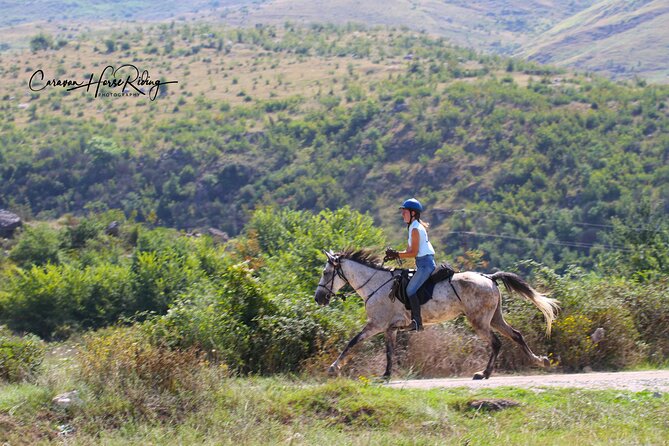
The first major pleasure of this route is its ordinary rural character. You ride through cultivated land and pastoral areas, seeing the working side of the Drino Valley rather than only its postcard views.
That matters because rural Albania is not presented here as a stage set. The route takes you through places shaped by farming, livestock, water management, and village life. You might see herds of cattle along the way, and the changing scenery gives the ride a sense of movement even though the route remains close to Gjirokaster.
Former irrigation infrastructure is part of the story. These works point to the effort once devoted to turning agricultural land into organized collective production. For you, that means the ride is not just a succession of fields. The structures and water systems help explain how people used the valley and how its farming patterns changed over time.
The old agricultural setting also gives the ride a calm quality. You leave the noise and tight streets of town behind, but you do not leave civilization completely. Villages, fields, livestock, and waterworks keep the route connected to daily life.
Seeing the Traces of Collectivization
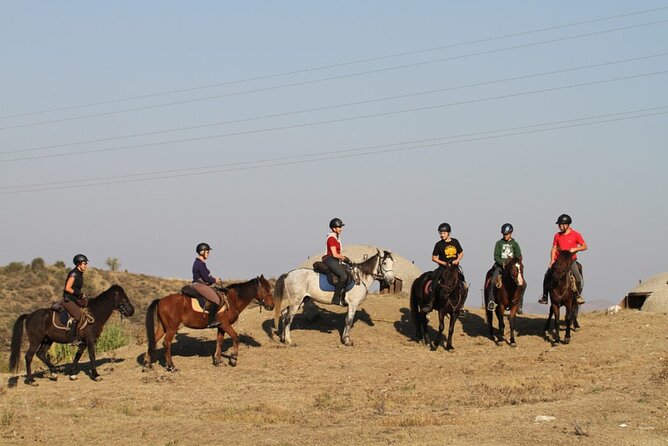
One of the more unusual features is the number of signs left by Albania’s collectivization era. The ride passes former irrigation systems and other traces of the period when farming was organized through collective spaces.
You do not need to be a specialist in Albanian history to appreciate this. The remains are part of the countryside itself, and a guide can help connect what you see to the way land and villages were organized during the communist period.
The route also passes a network of Cold War bunkers. Albania is known for its many concrete bunkers, but seeing them from horseback gives you a different view than visiting one as an isolated monument. Here, they appear among fields and hills, part of the same rural setting as the farms and cattle.
I like this combination of scenery and context. You get a ride, but you also get clues about the policies and fears that shaped the valley during the 20th century. The experience does not turn into a formal history tour, yet the physical remains make the past hard to ignore.
A few more to compare in Gjirokaster
- Gjirokaster Guided tour – from Tirana
★ 5.0 · 1 review - Gjirokaster Guided tour – from Durrës
★ 5.0 · 1 review - Blue Cave & Grama Bay Full Day Guided Boat Tour
★ 5.0 · 141 reviews - Bike or E-Bike Tour Tirana: Highlights & Grand Park Guided Cycle
★ 5.0 · 124 reviews
Asim Zeneli and the Valley’s Village Story
The village of Asim Zeneli adds another layer to the ride. Several new villages were created in the 1950s near collectivized agricultural areas and were named after partisans who died during World War II. Asim Zeneli was one of these villages, and it continued to grow into the middle of the 1960s.
This detail gives the countryside a human scale. A village name is not just a label on a map. It reflects the way postwar Albania honored fallen partisans and built new communities around organized farming.
The village was accompanied by infrastructure intended to support agriculture. That helps explain why the artificial lake of Cini was built nearby and why water management remains central to the area.
You should not expect a long village walking tour or a series of indoor historical sites. The value comes from seeing the village within its setting. From horseback, you get a broad view of how homes, farmland, hills, and water systems fit together.
Cini Lake: The Best Photo Stop
Cini Lake is the visual high point of the ride. The artificial lake covers about 15 hectares and holds roughly 600,000 cubic meters of water. It is supplied by several hilly streams and remains in operation today.
The lake is surrounded by hills, which gives the stop a strong natural frame. Add the horses and nearby cattle, and you have the kind of scene that rewards a camera without needing much arranging. Bring your phone or camera, but keep it secure while riding.
The photo stop is not only about taking a picture of water. It brings together the main themes of the outing: farming, animals, hills, and the work of managing the valley’s resources. The lake still serves a practical purpose, so it feels connected to local life rather than being only a scenic attraction.
You should keep your expectations in check. This is a two-hour riding experience, not a long lakeside picnic. The lake is a stop along a 10 km journey, and the ride then continues to the equestrian center. Still, it is likely to be the most memorable place to pause and photograph the horses.
Birds and Open Country Along the Route
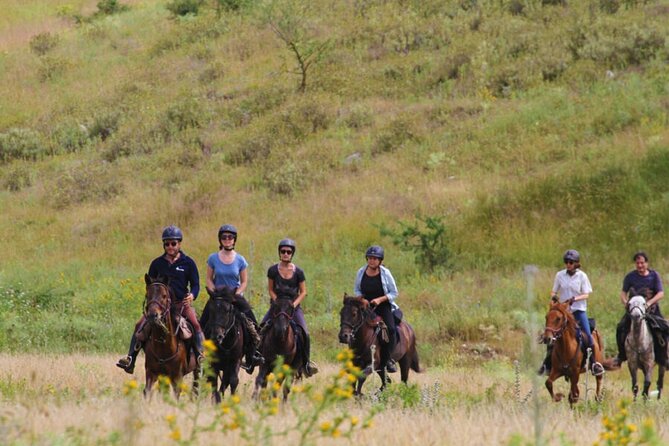
The ride passes through habitat used by the Egyptian vulture, golden eagle, and other protected birds. That gives the route added appeal for anyone who enjoys watching wildlife while outdoors.
Bird sightings are never guaranteed, so you should not book this as a dedicated bird-watching excursion. The main purpose is horseback riding, with bird habitat forming part of the setting. Even without spotting one of the named species, knowing that the route crosses protected habitat adds meaning to the open fields and hills.
Bring a camera with a secure strap or a phone that can be put away quickly. You may want to photograph the lake and horses more often than distant birds, but the open setting gives you a better chance to notice movement in the sky than you would have in town.
The protected species also underline why a calm, capable rider is a good fit. You can enjoy the surroundings without constantly needing help with the horse. That is one reason the experience places such weight on previous riding skill.
What the Two-Hour Duration Really Gives You
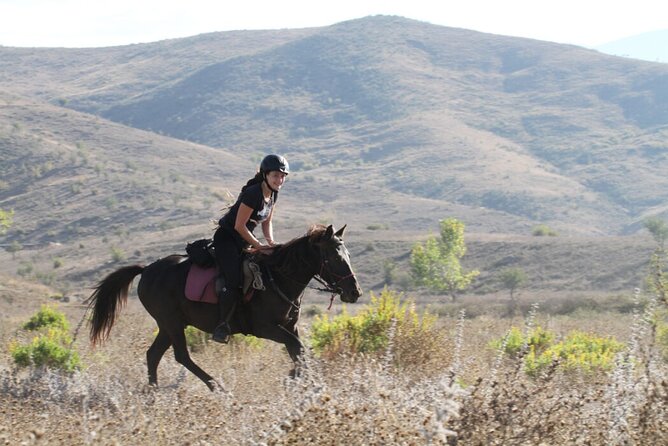
Two hours is enough to create a proper outing without taking over your day. The route covers about 10 kilometers, which gives you time to see several types of scenery: cultivated land, grazing areas, village surroundings, old infrastructure, bunkers, bird habitat, and the lake.
At the same time, two hours is not enough for a slow, stop-heavy expedition. You will spend most of the time riding, with the Cini Lake area serving as the main photography pause. If you want extended time at every historical feature, you may find the format too brisk.
For an experienced rider, the length looks well judged. It gives you a substantial ride and a sense of distance without requiring a full day in the saddle. For a beginner, the same schedule could feel demanding because there is less room for repeated instruction or long breaks.
The tour ends back at the equestrian center after the 10 km journey. That makes it easy to combine with other plans, provided you allow time to get to the starting point in the morning.
Is $70.98 a Fair Price?
At $70.98 per person, this is not the cheapest way to spend two hours in Gjirokaster. Its value depends on what you want from the outing.
If you only want a short horse ride with little scenery or local context, the price may seem high. But you are paying for a longer 10 km route, a small group capped at 10 people, an English-speaking experience, and access to rural areas that are not part of a standard old-town visit.
I see the strongest value for riders who already love horseback travel. You get a proper ride rather than a brief photo opportunity, and the route includes Cini Lake, agricultural remains, Cold War bunkers, village history, and protected bird habitat.
The price also buys a change of pace. Gjirokaster is famous for its stone streets and historic buildings, but this outing lets you see the valley that supports the town. If you have already explored the old center, the ride adds a very different view of the area.
Who Should Book This Ride?
I would recommend it to experienced riders who want active time outdoors and are happy to share the outing with a small group. It is especially suitable if you enjoy combining scenery with local history and do not need a polished, staged attraction.
The ride should also suit photographers who like natural scenes with animals, hills, and working countryside. Cini Lake is the clearest photo opportunity, while the horses and cattle provide useful foreground subjects.
You should think twice if you are a beginner, have not ridden for a long time, or want a relaxed sightseeing tour with frequent stops. The moderate fitness requirement and experienced-rider rule are not minor details. They define the experience.
Families should also check the rider requirements for every participant before booking. The supplied information does not provide a child age policy, so you should not assume younger riders are accepted.
Booking, Cancellation, and Practical Details
You receive confirmation at the time of booking, and the mobile ticket can be kept on your phone. The tour is offered in English, starts at 9:00 a.m., and returns to the starting point.
Free cancellation is available if you cancel at least 24 hours before the local start time. Cancellations or changes made less than 24 hours before departure are not refunded or accepted. The experience also requires a minimum number of riders, so a cancellation by the operator for that reason results in a different date or experience, or a full refund.
Wear clothing you can ride comfortably in and bring a secure camera or phone for Cini Lake. Since the route lasts two hours and requires moderate fitness, practical riding clothes matter more than dressing for a quick tourist photo.
Should You Book the Drino’s Valley Ride?
Book this tour if you are already comfortable on horseback and want to see Gjirokaster from the rural side. The strongest reasons are the 10 km route, the easy-riding Albanian horses, the Cini Lake photo stop, and the unusual mix of farms, bunkers, irrigation works, village history, and bird habitat.
Skip it if you are looking for a beginner lesson or a short, gentle ride. The 4.6 rating from five reviews and the praise for Kristina’s adaptable guidance point to a well-liked experience, but the small number of ratings means you should judge the tour mainly by its clear rider requirements.
For the right rider, $70.98 buys more than time in the saddle. It gives you a quiet morning beyond town and a grounded look at the Drino Valley, where old political decisions, working farms, wildlife, and practical water systems still share the same countryside.
FAQ
How long is the Drino’s Valley horse ride?
The experience lasts approximately two hours and covers about 10 kilometers before returning to the equestrian center.
What time does the tour start?
The ride starts at 9:00 a.m.
Is this tour suitable for beginners?
No. The tour is specifically for experienced horse riders. Participants should also have a moderate level of physical fitness.
Where does the ride begin and end?
The meeting point is Caravan Horse Riding Albania on an unnamed road in Albania. The activity ends back at the same meeting point.
Is the tour offered in English?
Yes. English is one of the available language options.
Can I cancel for a full refund?
Yes, if you cancel at least 24 hours before the experience starts. Cancellations or changes made less than 24 hours before the local start time are not refunded.
Just added in Gjirokaster
- Southern Albania: from Tirana to Butrint, Saranda and Gjirokaster★ 4.0 · 2 reviews
- Private Day Trip to Gjirokastra from Tirana w/Lunch★ 5.0 · 6 reviews
- Full Day trip to Stone City of Gjirokastra & Blue Eye★ 5.0 · 2 reviews
- Gjirokastra Day Tour from Tirana★ 5.0 · 1 review
- Gjirokaster Guided tour – from Tirana★ 5.0 · 1 review
- Gjirokastra, Full Day Trip from Tirana★ 5.0 · 2 reviews
- Gjirokaster Guided tour – from Durrës★ 5.0 · 1 review
- “Two-Day UNESCO Heritage Tour: Berat, Gjirokastra & Butrint”★ 5.0 · 3 reviews
Gjirokaster Tours, compared.
The Stone City & Blue Eye- The monument of Nature.
Read our review →
Gjirokastra UNESCO & Ksamil Beach – From Tirana/Durres/Golem
Read our review →
Gjirokastra, Blue Eye, Ksamil & Saranda – Day Tour from Tirana
Read our review →
Blue Eye, Gjirokaster & Lekures | Private & Small Group Tours
Read our review →
Private Day Tour of Saranda Gjirokaster and Butrint from Tirana
Read our review →
Gjirokastra & Bylis Illyrian City Day tour Tirana/Durres/Golem
Read our review →Browse the lists this tour appears in