
REVIEW · GJIROKASTER TOURS
Cooking Class
Come hungry for Gjirokaster’s old recipes. This private cooking class takes you into the medieval bazaar for a hands-on lesson in qifqi rice balls, OSA pasta with lamb, and hasude, a walnut dessert. I like the personal setting and the chance to eat the meal you help prepare. I also like that you leave with written recipes and what you cooked.
The main caution is organization. The meeting address may be difficult to find or incorrect, and the restaurant may not immediately have your booking details. Contacting Edua.gjirokaster before arrival is a smart move, especially if your schedule is tight. The class is advertised at about two hours, but some sessions have lasted closer to one hour.
In This Review
- Key points at a glance
- Cooking Gjirokaster’s oldest recipes
- Meeting in the medieval bazaar
- Qifqi: Gjirokaster in a small rice ball
- Handmade OSA pasta with lamb
- Hasude brings the class to a sweet finish
- A family setting with local stories
- Spices, teas, appetizers, and folklore
- Is $54.19 a fair price?
- Timing, booking, and cancellation advice
- Who will enjoy this cooking class?
- Should you book the Edua Gjirokaster cooking class?
- FAQ
- Where does the cooking class start?
- Where does the activity end?
- How long does the cooking class last?
- What dishes do you prepare?
- Do I eat the food I prepare?
- Is the class private?
- Is the class offered in English?
- Are drinks included?
- Is public transportation nearby?
- Can I cancel for a full refund?
Key points at a glance
- Three traditional dishes: Prepare qifqi rice balls, OSA pasta with lamb, and hasude dessert.
- Private instruction: Only your group participates, so you can ask questions and work at your own pace.
- Bazaar setting: The class takes place near Rruga Gjin Shpata in the heart of Gjirokaster’s medieval bazaar.
- A meal you helped make: Appetizers, drinks, and the cooked dishes turn the lesson into lunch or dinner.
- Family recipes: The class shares cooking methods, spices, mountain teas, and a family secret ingredient.
- Plan ahead: It costs $54.19 per person, is often booked 32 days ahead, and requires extra care with meeting arrangements.
Cooking Gjirokaster’s oldest recipes
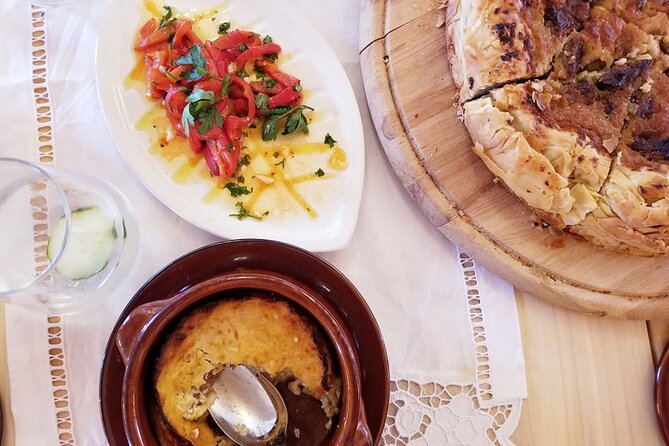
Gjirokaster is best understood through its food. The city’s stone houses, steep lanes, and Ottoman-era bazaar tell one part of the story. A plate of qifqi or a dish of handmade pasta tells another.
This class focuses on recipes tied to local family tradition. You are not simply watching a chef prepare a finished plate. You help make two traditional dishes and a dessert, then sit down to eat the result. That matters because the food becomes easier to remember when you have rolled, mixed, shaped, and cooked it yourself.
The planned menu gives you a useful cross-section of Gjirokaster cooking:
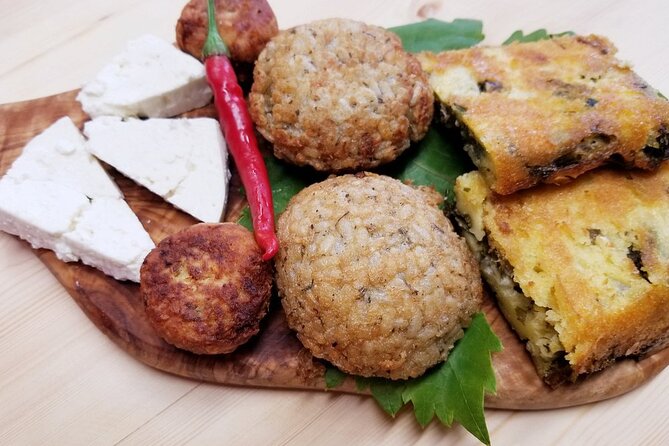
- Qifqi rice balls as a starter
- Traditional OSA pasta with lamb as the main course
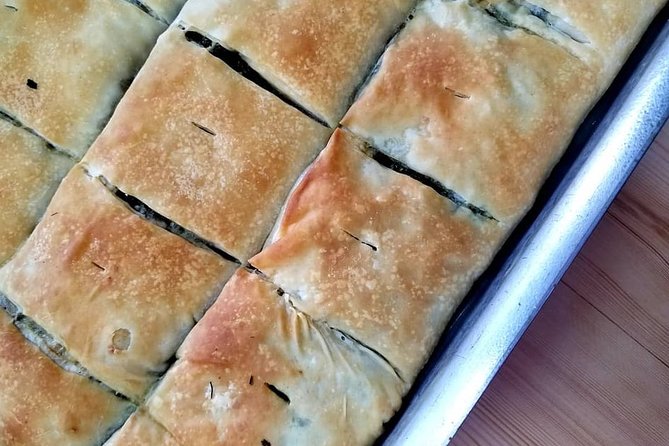
- Hasude, made with starch, butter, and walnuts, for dessert
You also receive written recipes and can take home what you cooked. That makes this more useful than a meal that disappears as soon as the plates are cleared.
More of Gjirokaster:
- Rafting Vjosa River Gjirokastër Albania ARG
★ 5.0 · 199 reviews - Gjirokastra- The Stone City & Blue Eye- The monument of Nature.
★ 4.5 · 180 reviews - Gjirokastra UNESCO & Ksamil Beach – From Tirana/Durres/Golem
★ 5.0 · 117 reviews
Meeting in the medieval bazaar
The starting point is listed as Rruga Gjin Bshpata in Gjirokastër, near public transportation and in the central bazaar area. The experience provider describes the place as easy to find, with open doors and a welcoming family atmosphere.
In practice, I would give yourself extra time. The address has caused confusion, and Edua restaurant has been identified as the actual location by a participant who had trouble finding the listed meeting point. Another person arrived only to discover that the staff did not know the booking was expected.
That does not seem to reflect the warmth of the hosts once the class begins. It does mean you should send a message before setting out and confirm the exact door, restaurant, and start time. If you are catching a bus, joining a second tour, or working around a tight hotel checkout, this small step could save you a wasted afternoon.
The activity ends where it starts. There is no transport between cooking stops because the class takes place in one location.
Qifqi: Gjirokaster in a small rice ball
Qifqi is one of the dishes that gives this class a strong local identity. These seasoned rice balls are associated with Gjirokaster and make a more interesting starter than a generic salad or bread plate.
You learn the preparation step by step, with the instructor demonstrating the method and helping you follow along. The class also introduces local spices and explains how mountain herbs and teas are used. The food lesson is paired with local history and folklore, so the ingredients have some cultural context rather than being presented as isolated cooking tricks.
This part should suit you if you like practical instruction. The dishes are not described as technically difficult, which is good news for beginners. You can focus on the ingredients, shaping, and cooking instead of worrying about advanced knife work or restaurant-style presentation.
The simple methods may also be a benefit. You are more likely to repeat the recipe at home when it does not require unusual equipment or professional skills. The written recipe helps, although the exact amount of detail in those instructions is not specified.
Handmade OSA pasta with lamb
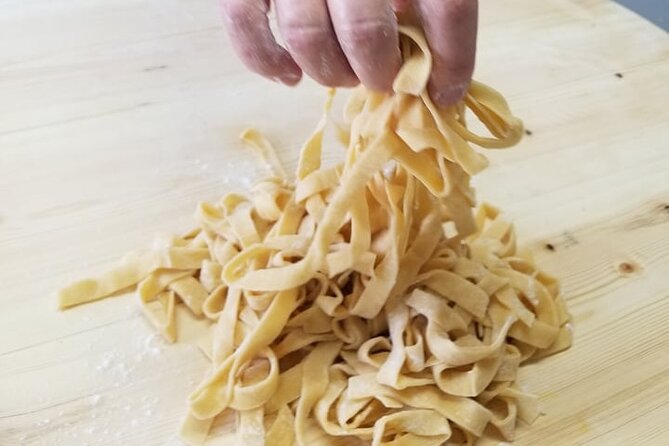
The main course is traditional OSA pasta with lamb meat. This is the most substantial part of the menu and the dish that provides the clearest look at how local pasta and meat come together.
The pasta is artisanal, and the lesson includes making it rather than merely eating a prepared serving. One participant singled out the OSA preparation as interesting and well taught. That praise is worth noting because it points to the class’s best feature: the cooking itself is active, not a staged demonstration from across the room.
You should expect instruction by demonstration and follow-along work. The teaching can be flexible and hands-on, though communication may not always be direct in English. The chef may not speak English, while another family member helps translate. That arrangement worked well enough for one participant to enjoy the class, but it can make the lesson less precise than a formal English-language culinary course.
If you want to master exact pasta technique, ask questions as you go and watch the motions closely. If your goal is to learn a traditional dish, cook beside a local family, and enjoy a relaxed meal, the informal approach may be part of the appeal.
More Cooking Classes in Gjirokaster:
- Vegetarian Cooking Class @Teta Marjeta
★ 5.0 · 11 reviews - Cooking Classes and Traditional food tasting in Tirana
★ 5.0 · 282 reviews - Traditional Albanian Cooking Class in Tirana with Raki Tasting
★ 5.0 · 125 reviews - Berat Cooking Class- Traditional Albanian Cooking Class /By Vato
★ 5.0 · 120 reviews
Hasude brings the class to a sweet finish
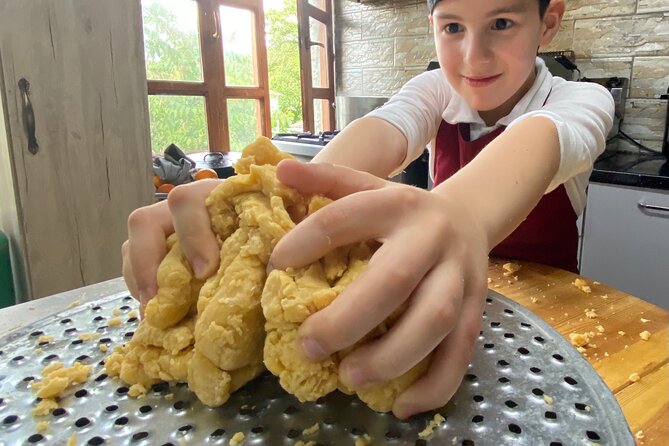
Hasude uses starch, butter, and walnuts. It is a modest dessert, but that is exactly why it fits the experience. This is home-style cooking, not a pastry workshop built around complicated decoration.
Making dessert as part of the same session gives the class a complete shape. You begin with a local starter, prepare a main dish, and finish with something sweet. You also get to eat the full meal at the end, rather than leaving with only a sample portion.
Be aware that the duration has not been consistent. The advertised time is approximately two hours, while some accounts describe a hands-on session of about one hour. Another account expected three dishes but was told the class had finished after the pasta. Since the experience description promises qifqi, OSA pasta, and hasude, confirm the full menu and timing before you arrive.
A family setting with local stories
The class is private, meaning only your own group participates. That is a real advantage for couples, families, or friends who want to ask questions without holding up a larger group.
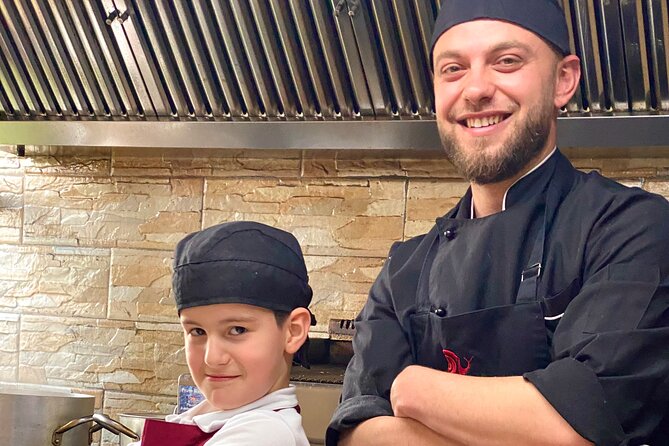
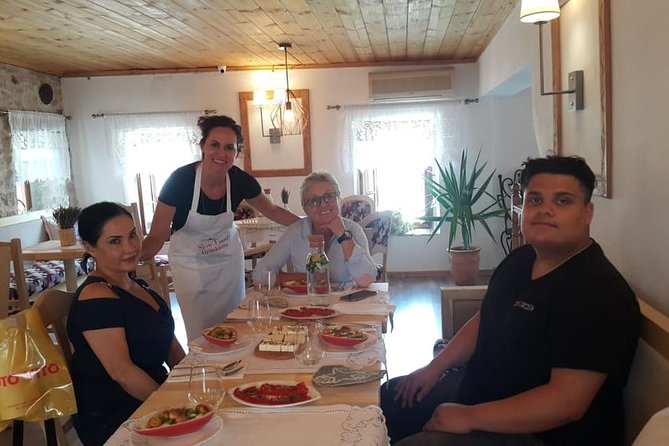
A private class also lets you set the tone. You can pay close attention to technique, ask about ingredients, or simply enjoy the social side of cooking. The atmosphere is described as warm and family-operated, with laughter, traditions, and a host who makes people feel at home.
The language arrangement deserves an honest explanation. The activity is offered in English, but the chef may rely on a family member for translation. You should not expect a polished English lecture from a professional culinary school. Instead, expect a mix of demonstrations, gestures, translated explanations, and personal contact.
That may sound less tidy, but it can feel more genuine. One account found the chef’s smile memorable even though direct English conversation was limited. The strongest praise centers on friendliness, welcome, and the pleasure of cooking together.
Spices, teas, appetizers, and folklore
The class includes more than the three dishes. You are introduced to local spices and teas from the mountains, including their traditional uses and claimed benefits. Traditional appetizers and various drinks are also part of the experience description.
This is where the class connects food with place. Gjirokaster’s cooking is not just a list of recipes. It reflects local ingredients, family habits, and ways of serving food. Hearing about spices and teas gives you a better sense of the everyday kitchen behind the dishes.
There is a small point to clarify about drinks. The description indicates that drinks are included, but one participant was asked to pay separately for a glass of wine and beer. I would ask exactly which drinks are covered before ordering alcohol. That removes an awkward surprise at the end.
Is $54.19 a fair price?
At $54.19 per person, this is not priced like an ordinary Albanian meal. You are paying for private instruction, food, a full menu, cultural explanation, and the time of a family-run host.
The value is strongest if you take part in the whole session and receive all three dishes, appetizers, drinks, and recipes. Eating the food you helped prepare adds something a standard restaurant meal cannot provide. The written recipes and the ability to take home what you cooked also make the experience last beyond the meal.
The value weakens if the class runs for only an hour, ends after one dish, or leaves you paying separately for drinks you thought were included. For that reason, this is best judged as a cooking activity, not as a cheap lunch.
Gjirokaster has plenty of places to eat for less. Book this class because you want the lesson and the contact with local food traditions. If you only want a generous meal at the lowest price, spend your money at a restaurant instead.
Timing, booking, and cancellation advice
The class lasts about two hours on paper, but allow flexibility because actual sessions have varied. It is often reserved about 32 days in advance, so booking ahead makes sense during busy travel periods.
You receive confirmation at booking unless you reserve within one day of the start. In that case, confirmation comes as soon as possible and depends on availability. I would not rely on a last-minute reservation without getting a clear reply.
Free cancellation is available up to 24 hours before the start time for a full refund. Changes or cancellations made less than 24 hours before the local start time are not accepted for a refund.
The activity accepts mobile tickets, and service animals are allowed. It is near public transportation, and the private format means your group will not be combined with strangers.
Who will enjoy this cooking class?
I would recommend it most strongly to people who want food with a local connection. It suits couples, families, and small private groups who prefer doing something active instead of simply touring another historic building.
It is also a good choice for beginner cooks. The dishes are approachable, the instruction is hands-on, and the recipes can be made at home. You do not need to arrive with serious culinary training.
The class may be less suitable if you need strict timing, polished English instruction, or a guaranteed restaurant-style operation. It is also a poor match for anyone who wants to watch a professional chef execute complex techniques. The informal family style is part of its charm, but it can also produce confusion.
The high overall rating of 4.5 out of 5, with 92 percent recommending the experience, reflects the main strength: once the class gets organized, people tend to enjoy the food, friendliness, and personal attention. The lower marks focus on communication, arrival arrangements, payment records, and inconsistent timing rather than on the cooking itself.
Should you book the Edua Gjirokaster cooking class?
Book it if you want to prepare local dishes, eat what you make, and meet a welcoming family in the bazaar. The qifqi, handmade OSA pasta with lamb, and hasude offer a clear taste of Gjirokaster, while the recipes give you something practical to carry home.
Before you go, confirm the exact meeting place, make sure the host has your reservation, ask whether the full three-dish menu will be prepared, and clarify which drinks are included. With those details settled, this can be one of the more personal and memorable food experiences in Gjirokaster.
FAQ
Where does the cooking class start?
The listed starting point is Rruga Gjin Bshpata, Gjirokastër, Albania, in the area of the medieval bazaar. Edua restaurant has also been identified as the practical location, so confirm the exact meeting door before arrival.
Where does the activity end?
The class ends back at the meeting point.
How long does the cooking class last?
The stated duration is approximately two hours. Some sessions have lasted about one hour, so confirm the expected timing when you arrange your visit.
What dishes do you prepare?
The sample menu includes qifqi rice balls, traditional OSA pasta with lamb meat, and hasude dessert made with starch, butter, and walnuts.
Do I eat the food I prepare?
Yes. The experience includes eating the meal you have learned to prepare.
Is the class private?
Yes. Only your group participates in the private activity.
Is the class offered in English?
Yes. It is offered in English. The chef may not speak English directly, so a family member may help translate.
Are drinks included?
The experience description includes various drinks, but one account reported paying separately for a glass of wine and beer. Ask which drinks are included before ordering.
Is public transportation nearby?
Yes. The meeting area is listed as being near public transportation.
Can I cancel for a full refund?
Yes, if you cancel at least 24 hours before the experience start time. Cancellations or changes made less than 24 hours before the local start time are not eligible for a refund.
More Hands-on Classes in Gjirokaster
- Savor Albanian Cuisine Cooking Class with Mama Nina Berat Castle
★ 5.0 · 55 reviews - Cooking Class in Berat Slow Food Community
★ 5.0 · 34 reviews - Paint and Wine – Authentic Art Workshop in Tirana
★ 4.5 · 27 reviews - Cooking Class & Traditional Albanian Dinner
★ 5.0 · 15 reviews
Just added in Gjirokaster
- Southern Albania: from Tirana to Butrint, Saranda and Gjirokaster★ 4.0 · 2 reviews
- Private Day Trip to Gjirokastra from Tirana w/Lunch★ 5.0 · 6 reviews
- Full Day trip to Stone City of Gjirokastra & Blue Eye★ 5.0 · 2 reviews
- Gjirokastra Day Tour from Tirana★ 5.0 · 1 review
- Gjirokaster Guided tour – from Tirana★ 5.0 · 1 review
- Gjirokastra, Full Day Trip from Tirana★ 5.0 · 2 reviews
- Gjirokaster Guided tour – from Durrës★ 5.0 · 1 review
- “Two-Day UNESCO Heritage Tour: Berat, Gjirokastra & Butrint”★ 5.0 · 3 reviews
Gjirokaster Tours, compared.
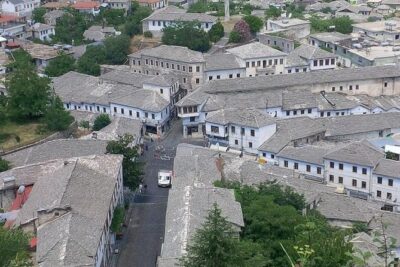
The Stone City & Blue Eye- The monument of Nature.
Read our review →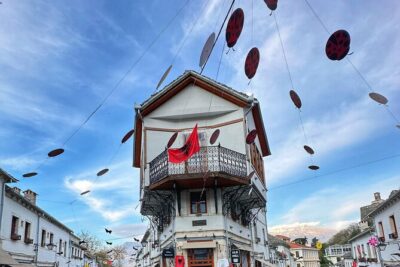
Gjirokastra UNESCO & Ksamil Beach – From Tirana/Durres/Golem
Read our review →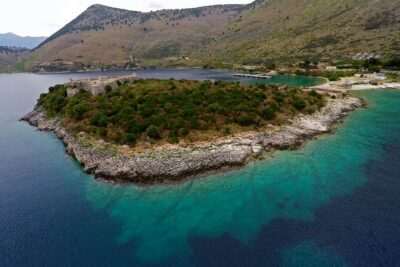
Gjirokastra, Blue Eye, Ksamil & Saranda – Day Tour from Tirana
Read our review →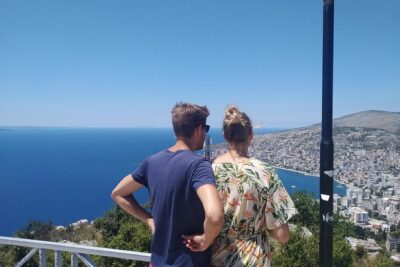
Blue Eye, Gjirokaster & Lekures | Private & Small Group Tours
Read our review →
Private Day Tour of Saranda Gjirokaster and Butrint from Tirana
Read our review →
Gjirokastra & Bylis Illyrian City Day tour Tirana/Durres/Golem
Read our review →Browse the lists this tour appears in