
REVIEW · GJIROKASTER TOURS
Prepare Osa with Teta Marjeta
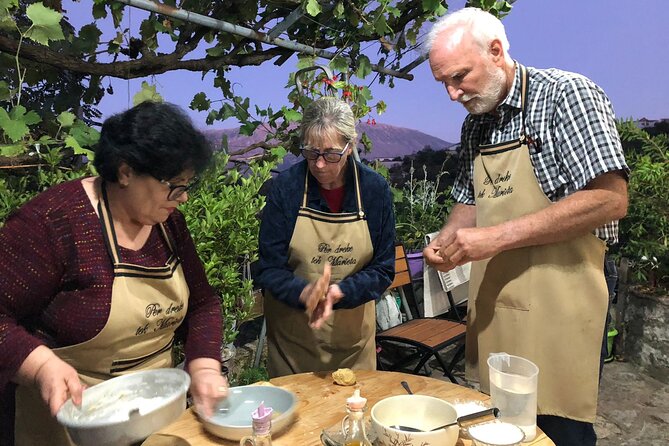
Dinner starts in a local home. This Gjirokaster cooking class gives you a friendly, hands-on way to learn three regional dishes, including the pasta and chicken dish called Osa, rice-based Qifqi, and the sweet dessert Hasude. I especially like the home setting and the chance to cook with fresh local ingredients rather than simply watch a demonstration.
I also like that the meal includes drinks, a seasonal salad, and recipe cards for cooking the dishes later. The main consideration is that the class lasts about two and a half hours, so it takes a sizable part of your afternoon or evening. The menu is also quite specific, which is good for learning local food but gives you less choice than a general cooking workshop.
In This Review
- Key points about this Gjirokaster cooking class
- Meeting at Cerciz Topulli Square
- A welcome drink with Marjeta
- Making Osa from scratch
- Shaping Gjirokaster’s Qifqi
- Ending with Hasude
- Eating the food you prepared
- Is $66.09 a fair price?
- Who will enjoy this experience most?
- Booking and cancellation details
- Should you book Prepare Osa with Teta Marjeta?
- FAQ
- Where does the cooking class begin?
- Where does the activity end?
- How long does the experience last?
- What dishes will I prepare?
- Are food and drinks included?
- Is the class offered in English?
- How many people can join the class?
Key points about this Gjirokaster cooking class
- You cook inside Teta Marjeta’s home, turning a meal into a personal cultural experience.
- Osa, Qifqi, and Hasude form a menu closely tied to Gjirokaster.
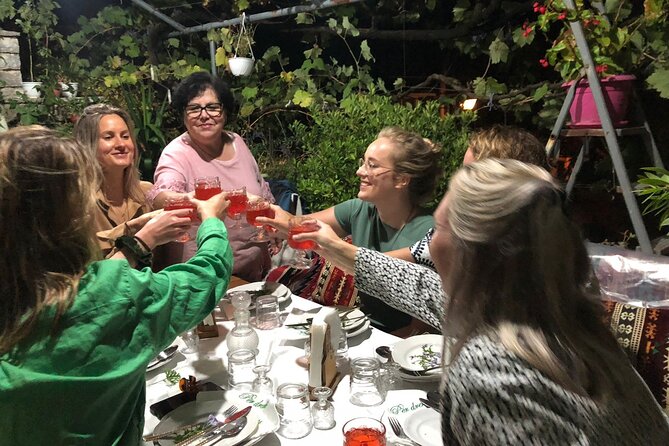
- A glass of raki or a soft drink welcomes you before the cooking begins.
- Translator Besi may help bridge the conversation, adding to the warm, social feel described by participants.
- Wine, raki, soft drinks, and food are included, so the listed price covers more than instruction alone.
- Recipe cards let you repeat the meal at home, a useful extra for anyone who enjoys cooking after a trip.
Meeting at Cerciz Topulli Square
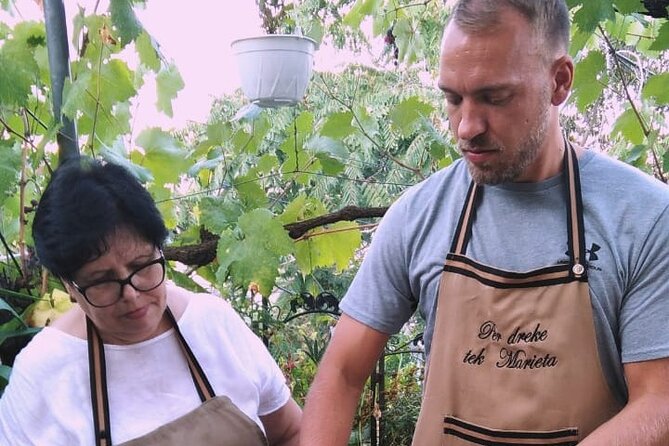
Your class begins at Sheshi Çerçiz Topulli 5, in Gjirokaster’s Cerciz Topulli Square. You meet the host there, then walk together to Marjeta’s home. That short walk is part of the experience, but you should arrive at the square ready to move with the group rather than expect to be collected from your hotel.
The meeting point is easy to identify by its full address, and the activity ends back at the same place. That makes the logistics fairly tidy. You do not need to arrange separate transport to a restaurant or cooking school, and you can plan another activity afterward from the original square.
The group is capped at 10 people. That is a useful limit for a home-based class. You should have a better chance to see what is happening, take part in the preparation, and chat with the host than you would in a large commercial kitchen.
More of Gjirokaster:
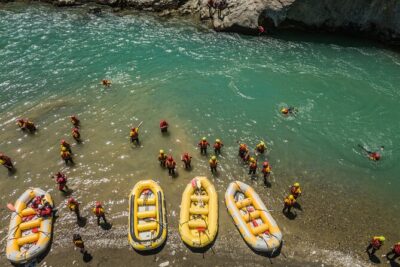
- Rafting Vjosa River Gjirokastër Albania ARG
★ 5.0 · 199 reviews - Gjirokastra- The Stone City & Blue Eye- The monument of Nature.
★ 4.5 · 180 reviews - Gjirokastra UNESCO & Ksamil Beach – From Tirana/Durres/Golem
★ 5.0 · 117 reviews
A welcome drink with Marjeta
Once you reach Marjeta’s home, the class begins with a drink and conversation. You can have raki produced by her husband, a soft drink, or one of the drinks Marjeta prepares. The setting is meant to be relaxed rather than rushed, with time to chat with the other people in your group before the cooking starts.
That opening matters. Food traditions make more sense when you connect them to the people who prepare them. A glass of local raki gives you an immediate taste of Albanian hospitality, while the soft drink option keeps the welcome comfortable for anyone who does not drink alcohol.
The minimum drinking age is 18. Since beverages include wine and raki, you should be clear about your preference when the class begins. You are not required to choose alcohol, and soft drinks are included as an alternative.
The experience is conducted in English. A participant specifically praised the help of Besi, the translator, along with Marjeta and the rest of the team. If you are concerned about following culinary instructions across a language barrier, that detail should offer some reassurance, although the exact language support may vary by session.
Making Osa from scratch
The main dish is Osa, described as a type of pasta combined with chicken. It is one of the special Gjirokaster recipes taught during the class, and the point is to prepare it rather than simply receive a finished plate.
Cooking from scratch gives you a clearer sense of how the dish comes together. You can pay attention to the steps, the local ingredients, and the way the recipe is handled in a home kitchen. The class is not just a tasting stop. You put in the work, then sit down to eat the result.
The available information does not specify every cooking step or the exact ingredients used in Osa. That is actually part of the appeal for an inquisitive cook: you learn the recipe during the class and receive instructions to take home. If you need details about allergens, meat, or substitutions, ask before booking or at the beginning of the session.
The preparation also gives you a practical souvenir. A photograph is easy to leave behind, but a recipe card can return you to Gjirokaster months later. The class is especially worthwhile if you like collecting dishes that you can realistically make again instead of recipes that depend on rare equipment or hard-to-find ingredients.
Shaping Gjirokaster’s Qifqi
The starter is Qifqi, a traditional Gjirokaster food made mainly from rice. It is described as something found only in Gjirokaster, making it one of the most distinctive parts of the menu.
Qifqi gives the class a strong local focus. You are not preparing a generic Balkan dish that could appear anywhere in the region. You are learning a food associated specifically with this city, and that makes the recipe more meaningful than a standard cooking lesson built around familiar international fare.
The class pairs Qifqi with a seasonal salad already prepared by Marjeta. That salad adds a fresh side to the meal and means not every element of lunch or dinner requires work from the group. You can focus your attention on the dishes that carry the strongest local identity.
For you, the practical value is simple: Qifqi is the sort of dish you may not encounter in the same form elsewhere. Learning it from someone who makes it as part of her home cooking gives the class a sense of place that a restaurant meal alone cannot provide.
Something completely different:
- 1-Day Tour in Blue Eye, Monastery, Gjirokaster and Lekursi Castle
★ 5.0 · 76 reviews - Gjirokastra, Blue Eye, Ksamil & Saranda – Day Tour from Tirana
★ 4.5 · 47 reviews - Blue Eye, Gjirokaster & Lekures | Private & Small Group Tours
★ 5.0 · 44 reviews - Tour Gjirokaster,Blue Eye & Lekursi Castle
★ 4.5 · 39 reviews
Ending with Hasude
Dessert is Hasude, a traditional sweet included in the cooking session. Like Osa and Qifqi, it is prepared as part of the class and then eaten with the rest of the meal.
Hasude gives the menu a proper finish. You begin with a local rice dish, move to Osa with chicken and pasta, and end with a regional dessert. That progression makes the two and a half hours feel like a complete food experience rather than a single recipe lesson.
The menu is not built around choice. You receive the three featured dishes, along with the seasonal salad. That is worth knowing if you have strict dietary needs or simply prefer selecting your own recipes. For most people looking for a focused introduction to Gjirokaster cooking, the fixed menu is a strength because it keeps the class centered on local specialties.
Eating the food you prepared
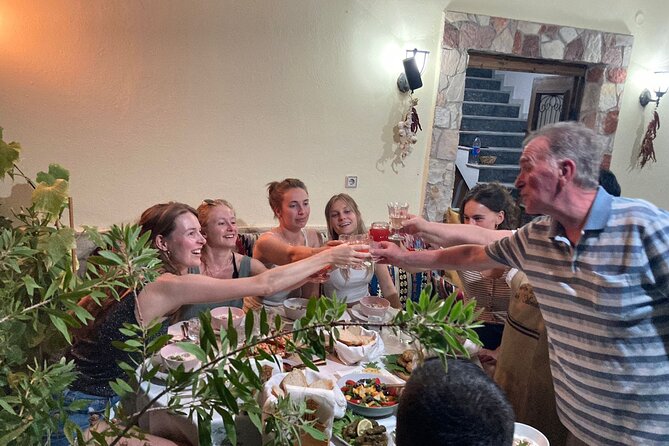
After the cooking is finished, you sit down with Marjeta and the rest of the group to eat. This shared meal is where the class pays off. You have seen the ingredients and preparation, and now you can judge the flavors for yourself.
A complimentary glass of wine, raki, or a soft drink accompanies the meal. Food and drinks are included, along with afternoon tea. That makes the $66.09 per person price easier to assess: you are paying for instruction, a home visit, a complete meal, beverages, and the recipe cards, not just a short demonstration.
The strongest praise for the experience centers on this combination of food, culture, and friendly company. One participant highlighted cooking three local dishes on a cute veranda with local ingredients, and described the team as welcoming. Another said the food tasted good and that the recipes were worth preparing at home.
Those details point to the real value of the class. You are not booking it only to fill your stomach. You are buying time with a local host, a chance to work with regional recipes, and a meal that has a personal connection to the household where it is prepared.
Is $66.09 a fair price?
At $66.09 per person, this is not the cheapest way to eat in Gjirokaster. You could certainly find a less expensive meal in town. The comparison is not quite fair, though, because this activity includes about two and a half hours of instruction and participation.
I see the price as reasonable if you enjoy cooking and want a cultural activity with a meal built in. The group size of no more than 10 also helps. A smaller group generally gives the class a more personal shape, although the precise amount of individual instruction can vary.
The value is weaker if you only want to sample Albanian food. In that case, a restaurant meal would be quicker and likely cheaper. You should choose this class when the preparation matters as much as the eating.
The recipe cards improve the long-term value. You can try Osa, Qifqi, and Hasude at home, which makes the experience more than a one-time afternoon. Just keep in mind that the recipes may require you to find suitable local ingredients or make substitutions once you return home.
Who will enjoy this experience most?
I would recommend this class to people who like meeting local hosts through food. It suits couples, small groups of friends, solo visitors comfortable joining a group, and families with an interest in cooking, provided the participants are happy with the fixed menu and the class format.
It is also a good pick if you have limited time in Gjirokaster but want more than sightseeing. The experience gives you a direct connection to local food without requiring a full-day excursion. You meet at a central square, walk to the home, cook, eat, and return to the same meeting point.
The class may be less suitable if you dislike alcohol being part of the welcome, though soft drinks are available. It may also be a poor fit for anyone with serious food allergies or dietary restrictions unless those needs are confirmed in advance. The available menu includes chicken, rice, pasta, dessert, and salad, but no alternative dishes are promised.
You should also allow the full two hours and 30 minutes. Cooking has a way of taking its own time, especially when conversation is part of the evening. Do not schedule a tight connection immediately afterward.
Booking and cancellation details
The experience is offered in English, uses a mobile ticket, and is usually booked about 37 days ahead. That advance pattern suggests you should reserve early if your Gjirokaster dates are fixed, particularly if you want a specific afternoon.
Confirmation is provided when you book. The maximum group size is 10, and the activity begins and ends at Sheshi Çerçiz Topulli 5.
Free cancellation is available when you cancel at least 24 hours before the local start time. Cancellations or changes made less than 24 hours ahead are not accepted for a refund. That rule is straightforward, but you should pay attention to the local time when making changes.
Should you book Prepare Osa with Teta Marjeta?
Book it if you want a warm, food-centered introduction to Gjirokaster and like the idea of cooking in a real home. The strongest reasons are the unusual local menu, the personal setting, the included drinks and meal, and the recipe cards you can use later.
Skip it if you only want a quick tasting, need extensive menu flexibility, or are not interested in preparing food yourself. For everyone else, this looks like a well-priced way to turn a meal into a genuine local encounter, with enough hands-on work to make the dishes memorable.
FAQ
Where does the cooking class begin?
It begins at Sheshi Çerçiz Topulli 5, Gjirokastër 6001, Albania.
Where does the activity end?
The activity ends back at the meeting point at Sheshi Çerçiz Topulli 5.
How long does the experience last?
The class lasts approximately 2 hours and 30 minutes.
What dishes will I prepare?
You will prepare Osa, a pasta and chicken dish, Qifqi, a rice-based Gjirokaster specialty, and Hasude, a dessert. A seasonal salad is also served.
Are food and drinks included?
Yes. The experience includes all food, beverages, afternoon tea, and a complimentary choice of wine, raki, or a soft drink with the meal.
Is the class offered in English?
Yes. The experience is offered in English.
How many people can join the class?
The maximum group size is 10 people.
Just added in Gjirokaster
- Southern Albania: from Tirana to Butrint, Saranda and Gjirokaster★ 4.0 · 2 reviews
- Private Day Trip to Gjirokastra from Tirana w/Lunch★ 5.0 · 6 reviews
- Full Day trip to Stone City of Gjirokastra & Blue Eye★ 5.0 · 2 reviews
- Gjirokastra Day Tour from Tirana★ 5.0 · 1 review
- Gjirokaster Guided tour – from Tirana★ 5.0 · 1 review
- Gjirokastra, Full Day Trip from Tirana★ 5.0 · 2 reviews
- Gjirokaster Guided tour – from Durrës★ 5.0 · 1 review
- “Two-Day UNESCO Heritage Tour: Berat, Gjirokastra & Butrint”★ 5.0 · 3 reviews
Gjirokaster Tours, compared.
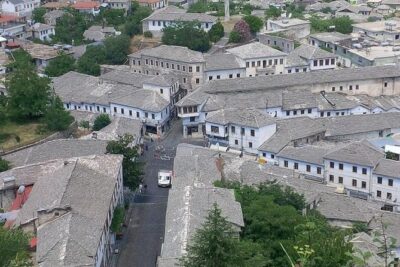
The Stone City & Blue Eye- The monument of Nature.
Read our review →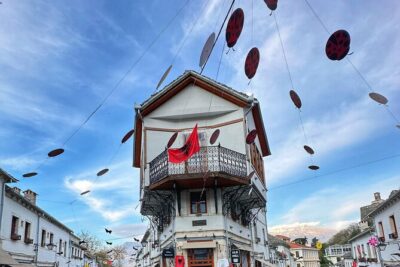
Gjirokastra UNESCO & Ksamil Beach – From Tirana/Durres/Golem
Read our review →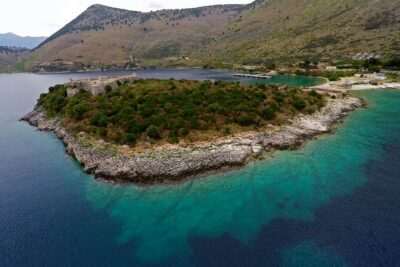
Gjirokastra, Blue Eye, Ksamil & Saranda – Day Tour from Tirana
Read our review →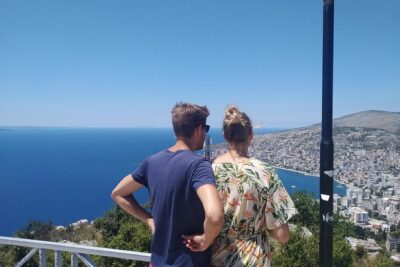
Blue Eye, Gjirokaster & Lekures | Private & Small Group Tours
Read our review →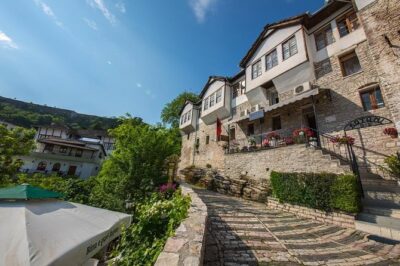
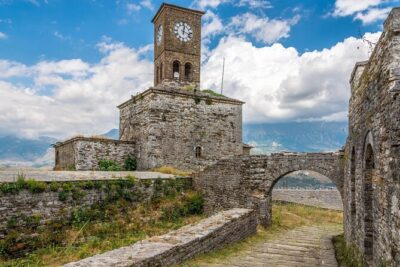
Private Day Tour of Saranda Gjirokaster and Butrint from Tirana
Read our review →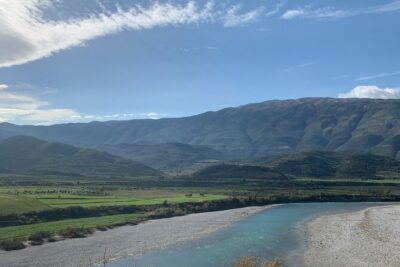
Gjirokastra & Bylis Illyrian City Day tour Tirana/Durres/Golem
Read our review →Browse the lists this tour appears in