
REVIEW · GJIROKASTER TOURS
Gjirokaster walking Tour The Old Baazar, Cfake, Dunavat, Ali Pasha Bridge
Gjirokaster has more to offer than its famous castle. This three-hour walk takes you through old hillside neighborhoods, past stone houses and a Bektashi tekke, to the Ali Pasha Bridge. I like the route because it shows the quieter side of town, and I like that a local guide adds context you would probably miss on your own. The main consideration is that cobblestones, hills, and a bridge walk may not suit every pace.
At $18.08 per person, this is a modestly priced way to spend half a day in Gjirokaster. The group can reach 15 people, so the quality of the walk may depend on how many people book, and the tour requires at least two participants to operate.
In This Review
- Key points to know before booking
- Why this Gjirokaster walk is different
- Starting at Cerciz Topulli Square
- Walking below the castle walls to the Old Bazaar
- Crossing the Zerzebili Bridge into Cfake
- The Bektashi tekke in Cfake
- From Dunavat toward the Ali Pasha Bridge
- A local guide is the real value
- Who should book this walk
- Returning to the square after three hours
- Should you book the Gjirokaster Old Bazaar walk?
- FAQ
- Where does the tour start?
- Where does the tour end?
- How long does the tour last?
- What places does the walk visit?
- Is the Old Bazaar still a functioning bazaar?
- Is an admission ticket included?
- How much does the tour cost?
- How many people can join the tour?
- Can I cancel for a full refund?
Key points to know before booking
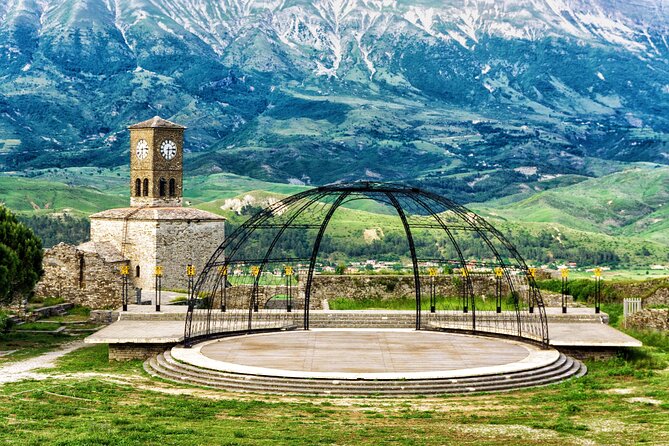
- The route leaves the castle area behind: You begin at Cerciz Topulli Square and head into older neighborhoods that many visitors skip.
- The Old Bazaar is now a neighborhood: Expect historic lanes and stone houses rather than a functioning market filled with stalls.
- Cfake includes a Bektashi tekke: This adds a cultural and religious layer to the walk.
- Ali Pasha Bridge is the final goal: The route ends beyond the town center, among hills, sheep, and old stone buildings.
- A local guide is the main inclusion: The price covers guiding, while anything else is not listed as included.
- Plan around a three-hour walk: The activity returns to Cerciz Topulli Square, and confirmation arrives when you book.
Why this Gjirokaster walk is different
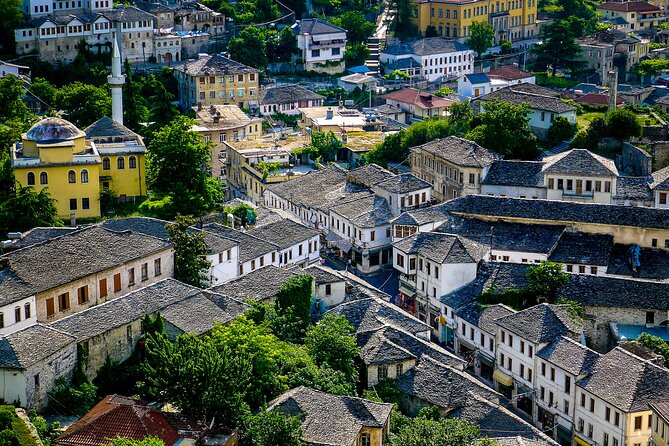
Most first visits to Gjirokaster concentrate on the castle, the main stone streets, and the central viewpoints. Those places deserve attention, but this walk takes a slower and less obvious route. You begin in the familiar center, then move toward neighborhoods under the castle walls and farther into the hills.
That change matters. Gjirokaster is not only a fortress and a collection of postcard streets. It is also a town of steep lanes, old houses, small religious sites, bridges, and rural edges. The route gives you a look at how those parts connect.
I especially like the balance between built heritage and open surroundings. You pass old houses that have been recognized as first-category monuments, then continue toward a setting with hills and sheep. It is a useful reminder that the town does not stop at the tourist center.
The tour lasts about three hours and ends back at the starting point. That makes it easier to fit into a day of sightseeing, especially if you are staying in Gjirokaster and do not want to arrange a separate ride from the end of the route.
More of Gjirokaster:
- Rafting Vjosa River Gjirokastër Albania ARG
★ 5.0 · 199 reviews - Gjirokastra- The Stone City & Blue Eye- The monument of Nature.
★ 4.5 · 180 reviews - Gjirokastra UNESCO & Ksamil Beach – From Tirana/Durres/Golem
★ 5.0 · 117 reviews
Starting at Cerciz Topulli Square
The meeting point is Cerciz Topulli Square, written locally as Sheshi Çerçiz Topulli. This is a practical place to begin because it sits in the center of the old town and is close to public transportation.
Arrive ready to walk rather than expecting a short guided visit around one monument. The route moves outward from the square, and the interest comes from seeing how the central area gives way to older residential quarters.
A guide is particularly useful at this point. Without local explanation, it can be hard to tell which buildings matter, how the neighborhoods fit together, or why the route is moving away from the most famous sights. The guide is the only listed inclusion, so that local interpretation is the core of what you are paying for.
The group size can reach 15 people. That is not especially large for a walking tour, but it is big enough for the guide to need a clear meeting procedure. Look for the guide at the square and keep your phone available, since the ticket is mobile and confirmation is sent at booking.
Walking below the castle walls to the Old Bazaar
The first section heads toward the Old Bazaar, described as the first neighborhood outside the castle walls. Its position beneath the castle gives the walk a strong sense of place. You are not simply visiting another market street. You are seeing the town spread below the fortress.
The name can cause confusion. The Old Bazaar is not a bazaar in the modern sense, so do not arrive expecting a full market of vendors and food stalls. Here, the appeal is the street pattern, the stone paving, and the old houses.
The characteristic cobblestones are one of the most appealing features of this part of the walk. They also affect comfort. Wear shoes with a firm sole and take care on uneven surfaces. The tour information does not give a formal difficulty rating, so you should ask the operator if you have concerns about hills or rough paving.
The houses are another reason to take this route with a guide. Gjirokaster’s older buildings can look similar at first glance, yet their position, age, and architectural details tell different stories. A guide from the town can point out what you are seeing instead of leaving you to admire a row of stone walls without context.
The scheduled stop information assigns 15 minutes to the Bazaar, while the full activity lasts about three hours. Read that short stop as a brief part of the larger walk, not as the total length of the tour. Much of the value comes from the route between the named places.
Crossing the Zerzebili Bridge into Cfake
After the Old Bazaar, the walk crosses the Zerzebili Bridge and reaches Cfake, another old neighborhood. This transition is one of the strongest parts of the route because it takes you away from the castle-side center and into a quieter section of Gjirokaster.
Cfake is noted for old houses, including buildings classified as first-category monuments. That designation signals an important level of protection and cultural value. You may find that the houses are best appreciated as part of the neighborhood rather than as isolated museum pieces.
This is where the guide’s local perspective can make a real difference. One guide associated with the tour is Besi, described as warm, curious, passionate, and well versed in Albanian culture. If Besi leads your walk, you can expect an engaged explanation rather than a dry list of dates. The guide is not only there to point the way, but to connect the buildings with the town’s culture and past.
A separate participant praised the guide’s clear explanation of Gjirokaster’s past and the obvious affection he had for his hometown. That is the quality I would hope for here. The best part of a neighborhood walk is often the personal connection: why a street matters, how local people view it, and what you would otherwise pass without noticing.
More Walking Tours in Gjirokaster:
- Walking Tour Baazar – The Argjiro Castle – Zekate house
★ 4.5 · 18 reviews - Walking Tour “The Old Bazaar, Cfake, Dunavat, Ali Pasha Bridge”
★ 5.0 · 10 reviews - Gjirokastra Private Half-Day Walking Tour
★ 5.0 · 3 reviews - Walking Tour of Tirana
★ 5.0 · 646 reviews
The Bektashi tekke in Cfake
The Cfake section also includes a tekke belonging to the Bektashi Order. This is a valuable stop because it adds a religious dimension to the route without turning the walk into a formal religious tour.
The Bektashi tradition is an important part of Albania’s cultural story, and a tekke offers a chance to understand that tradition in a physical setting. The supplied details do not promise interior access, a ceremony, or a long visit, so you should expect the guide to explain the site as part of the walk rather than assume a full tour inside.
This stop also helps explain why local guiding matters. A historic building can be easy to photograph but difficult to understand. With a guide, you can ask questions about the site and its place in the neighborhood. If you have a particular interest in religion or local customs, this is a good moment to speak up.
Keep in mind that this is a walking route through residential and historic areas. The experience is about observing the setting respectfully, not treating every old building as a photo prop. A small group and a considerate pace should help, but the maximum group size is 15.
From Dunavat toward the Ali Pasha Bridge
The walk continues through Dunavat toward the Ali Pasha Bridge, the final destination. The route gradually shifts from dense old housing to a more open setting, with hills, sheep, and stone buildings in view.
That contrast gives the tour its shape. You begin in a central square, walk under castle walls, pass through older neighborhoods, visit a Bektashi site, and finish in an area that feels closer to the rural edge of town. You get a sense of Gjirokaster as a whole place rather than a single historic center.
The Ali Pasha Bridge is the payoff for walkers who want more than central streets. It is an old stone bridge reached by foot, and its setting gives you a different view of the town’s relationship with the surrounding hills. The supplied information does not give the bridge’s age, exact dimensions, or a detailed architectural description, so I would not book this expecting a long monument lecture focused only on the bridge.
Instead, think of it as the end point of a connected story. The bridge works because of the route leading to it. You have already seen the castle-side streets and old houses, so the final setting shows how paths and structures once linked the town with the countryside.
You may also appreciate the slower pace here. The presence of sheep on the hills and the open surroundings make this part feel less urban. It is a good choice if you want photographs and a more peaceful atmosphere, though the walk may feel less appealing if you only want major sights close to the center.
A local guide is the real value
At $18.08 per person, the price is low for a three-hour guided walk. There are no admission fees listed for the stop, and the only stated inclusion is the guide. That means you are paying mainly for interpretation, direction, and local knowledge rather than entry to paid attractions.
I think that is fair value if you would otherwise walk these neighborhoods without knowing what you were seeing. The Old Bazaar, Cfake, Dunavat, and Ali Pasha Bridge are connected by the route, but the meaning of the houses, tekke, bridge, and neighborhood boundaries is not always obvious.
The price is less compelling if you prefer to walk alone and read about sites independently. There is no listed food, transport, entrance ticket, or extra activity included. Bring your own water and plan your spending separately, since the tour details do not include refreshments or other services.
The guide also brings flexibility. One participant described the guide as pleasant, entertaining, and flexible, with a good balance of learning and enjoyment. That matters on a three-hour walk because a rigid script can make a neighborhood tour drag. A guide who responds to questions and adjusts explanations can make the route feel personal.
The tour has a 4.8 rating from four published ratings, which is encouraging but based on a small sample. I would treat it as a positive sign, not a guarantee of the same guide or the same experience on every departure.
Who should book this walk
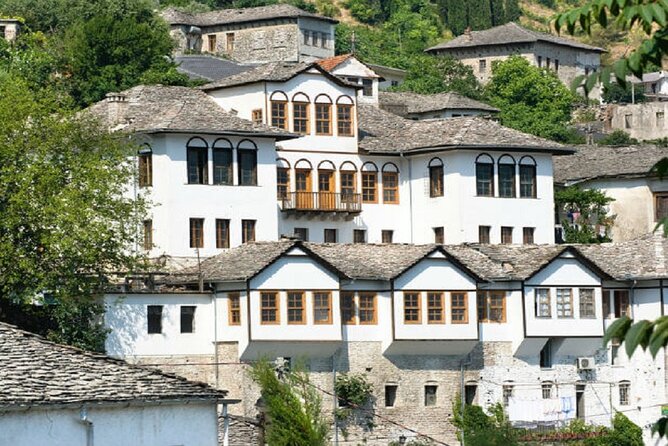
I would choose this tour if you have already seen, or plan to see, Gjirokaster’s main central sights and want a broader view of the town. It suits you if you enjoy old residential areas, stone architecture, cultural sites, and walking routes that reach less familiar corners.
It also fits visitors who like asking questions. The guide is likely to add the most value when you are curious about local history, the Bektashi tradition, old houses, and the way the neighborhoods developed around the castle.
The route may be a poor match if you want a short, flat stroll or a tour focused only on major monuments. The distance, cobbles, and hills are important considerations, and the supplied details do not state that the route is accessible for every mobility level.
Because the activity requires at least two people, solo bookers should confirm that the minimum has been met. The group can be as large as 15, so you should also consider how much personal attention you want.
The experience is confirmed at booking, and free cancellation is available up to 24 hours before the start time. Changes or cancellations inside that 24-hour window are not accepted for a refund, with cut-off times based on local time.
Returning to the square after three hours
The tour ends back at Cerciz Topulli Square, rather than leaving you at the bridge. That return point is useful because you can continue sightseeing, find a meal, or make your way back to your accommodation from the center.
The three-hour length gives the route room to breathe. You are not rushing through four names on a checklist, though the exact pace will depend on the guide and group. The 15-person maximum may make the walk slower, while a smaller group may allow more questions and pauses.
I would keep the rest of your day reasonably flexible. The advertised duration is approximate, and a walking route through old neighborhoods can take more or less time depending on the group. No transport is included, so plan to arrive at the square independently and expect the walk itself to be the main activity.
Should you book the Gjirokaster Old Bazaar walk?
Book it if you want to see the parts of Gjirokaster that sit beyond the usual castle circuit. The combination of the Old Bazaar, Zerzebili Bridge, Cfake’s protected houses, the Bektashi tekke, Dunavat, and Ali Pasha Bridge gives you a fuller sense of the town for $18.08.
I would be especially inclined to book if you value a local voice. The strongest praise centers on guides who explain the town clearly, care about its past, and bring warmth and flexibility to the walk. Just confirm the minimum of two participants, prepare for cobblestones and hills, and remember that the price covers the guide rather than meals, transport, or paid admission.
If your priority is a quick central sightseeing loop, choose something shorter. If you want a slower route through old neighborhoods and a final walk toward the hills, this is a sensible, fairly priced choice.
FAQ
Where does the tour start?
The tour starts at Cerciz Topulli Square, also written as Sheshi Çerçiz Topulli, in Gjirokaster, Albania.
Where does the tour end?
The activity ends back at the starting point, Cerciz Topulli Square.
How long does the tour last?
The tour lasts approximately three hours.
What places does the walk visit?
The route includes the Old Bazaar, Cfake, Dunavat, and Ali Pasha Bridge. It also crosses the Zerzebili Bridge and passes a Bektashi tekke in Cfake.
Is the Old Bazaar still a functioning bazaar?
No. The area is described as no longer being a bazaar. Its appeal comes from the cobblestones, old houses, and position beneath the castle walls.
Is an admission ticket included?
The stop is listed with free admission, and the only stated inclusion is the guide. Anything not listed as included is not covered.
How much does the tour cost?
The listed price is $18.08 per person.
How many people can join the tour?
The maximum group size is 15 people. The tour requires a minimum of two participants to operate.
Can I cancel for a full refund?
Yes. You can cancel up to 24 hours before the experience starts for a full refund. Cancellations or changes made less than 24 hours before the start time are not accepted for a refund.
Just added in Gjirokaster
- Southern Albania: from Tirana to Butrint, Saranda and Gjirokaster★ 4.0 · 2 reviews
- Private Day Trip to Gjirokastra from Tirana w/Lunch★ 5.0 · 6 reviews
- Full Day trip to Stone City of Gjirokastra & Blue Eye★ 5.0 · 2 reviews
- Gjirokastra Day Tour from Tirana★ 5.0 · 1 review
- Gjirokaster Guided tour – from Tirana★ 5.0 · 1 review
- Gjirokastra, Full Day Trip from Tirana★ 5.0 · 2 reviews
- Gjirokaster Guided tour – from Durrës★ 5.0 · 1 review
- “Two-Day UNESCO Heritage Tour: Berat, Gjirokastra & Butrint”★ 5.0 · 3 reviews
Gjirokaster Tours, compared.
The Stone City & Blue Eye- The monument of Nature.
Read our review →
Gjirokastra UNESCO & Ksamil Beach – From Tirana/Durres/Golem
Read our review →
Gjirokastra, Blue Eye, Ksamil & Saranda – Day Tour from Tirana
Read our review →
Blue Eye, Gjirokaster & Lekures | Private & Small Group Tours
Read our review →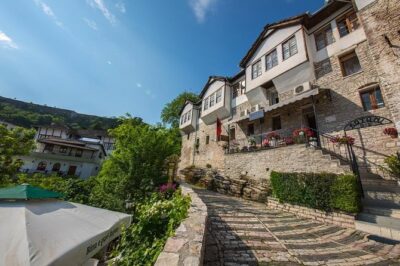
Private Day Tour of Saranda Gjirokaster and Butrint from Tirana
Read our review →
Gjirokastra & Bylis Illyrian City Day tour Tirana/Durres/Golem
Read our review →Browse the lists this tour appears in