
REVIEW · 7-DAY EXPERIENCES
7 Day Folk Dancing Tour of Albania
Albania tells its story through dance. This seven-day journey pairs five folk performances and dance lessons with castles, mosques, Roman ruins, monasteries, mountain roads, and the southern coast. I like the way the tour moves beyond Tirana, and I especially like that each evening links local food and music with the region you have just explored. The main drawback is the pace: several days cover long distances and pack many sights into a short window.
You also get airport, port, or hotel pickup, six nights of accommodation, daily breakfast, five dinners, an English-speaking guide, and air-conditioned transport for $919. That is a fair package price if you want one organized trip rather than arranging hotels, transfers, meals, and entrance tickets yourself. Still, you should be comfortable with road time and a group that may reach as many as 40 people.
In This Review
- Key points to know before booking
- What the $919 price really covers
- Day 1: An easy landing in Tirana
- Day 2: Tirana, Durrës, and Kruja in one packed day
- Day 3: Berat’s hilltop churches and evening dance
- Day 4: Monasteries, Apollonia, and Vlora’s coastal traditions
- Day 5: Llogara Pass and the southern Riviera
- Day 6: Butrint, the Blue Eye, and Gjirokastër
- Day 7: Returning to Tirana
- The five dance evenings and what they add
- Practical strengths and limits of the route
- Who should book this Albanian dance tour?
- Should you book the 7 Day Folk Dancing Tour of Albania?
- FAQ
- Where does the tour begin?
- How long is the tour?
- What meals are included?
- How many folk performances are part of the tour?
- Is transportation included?
- What is the maximum group size?
- What is the cancellation policy?
Key points to know before booking
- Five regional dance evenings: Learn steps from Kruja, Berat, Vlora, Saranda, and Gjirokastër performers rather than seeing only staged music in one city.
- A full circuit of Albania: The route connects Tirana, Durrës, Kruja, Berat, Apollonia, Vlora, Saranda, Butrint, Gjirokastër, and back to Tirana.
- Culture beyond folk music: Mosques, Orthodox monasteries, Ottoman bridges, Communist-era buildings, Byzantine icons, and ancient Greek and Roman sites all appear along the way.
- Southern Albania is the scenic payoff: Llogara Pass, Porto Palermo, Borsh, the Blue Eye, and the Ionian coast bring variety after the inland historic towns.
- A demanding schedule: Day 2 and the southern route are especially full, so this suits you if you prefer seeing a lot rather than lingering in one place.
- Pickup makes arrival simple: Collection is offered from Tirana International Airport, Durrës Port, or a hotel in Tirana.
What the $919 price really covers
At $919, this is not just a dance workshop. It is a seven-day escorted circuit with lodging, transport, guided sightseeing, six breakfasts, five dinners, and five cultural performances. The price also includes entry to several major sites, including Durrës Amphitheatre, Kruja Castle, the Skanderbeg Museum, Berat Castle, the Onufri Museum, Apollonia, Butrint, and Gjirokastër Castle.
That can be good value for you if you want a clear route and do not want to manage Albania’s intercity connections. The tour links places that are spread across the country, and private transport saves time compared with piecing together buses and taxis.
The package does not include health or travel insurance, personal expenses, or every meal. You will need to budget for lunches, drinks, snacks, and anything bought in the bazaars. The supplied information does not specify hotel names, room standards, or whether single supplements apply, so ask those questions before paying.
The group may contain up to 40 people. That size can keep the price down, but it may also make walking tours and dance instruction less intimate. If you want detailed personal coaching, ask ATHS how the dance lessons are organized within a larger group.
More trips out of Tirana:
- Hike Gamti Mountain with Bovilla lake view & canyon- From Tirana
★ 5.0 · 1,280 reviews - Berat city UNESCO tour, the Castle & Belshi lake- From Tirana
★ 5.0 · 804 reviews - Walking Tour of Tirana
★ 5.0 · 646 reviews
Day 1: An easy landing in Tirana
Your arrival day is deliberately light. ATHS can collect you at Tirana International Airport, Durrës Port, or a hotel in Tirana, then take you to your accommodation for check-in and free time.
This is useful after a flight or ferry ride. You are not rushed straight into a museum or a long drive. The start time is listed as noon, so confirm how that affects your arrival transfer if your flight lands later in the day.
Free time gives you a chance to rest or begin exploring Tirana on your own. Since no meal is listed for the first evening, plan to arrange dinner yourself unless the operator tells you otherwise.
Day 2: Tirana, Durrës, and Kruja in one packed day
The second day is the busiest urban and historic day. It begins with a three-hour walking tour of Tirana, a useful introduction to a capital where Ottoman, Communist, and modern influences sit close together.
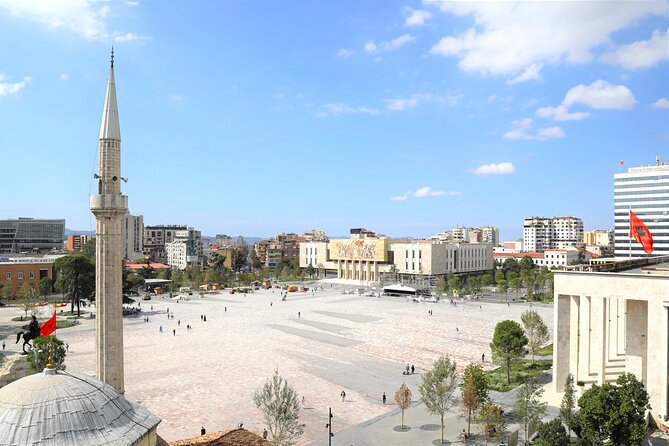
You see the National History Museum from outside, then continue through Skanderbeg Square, the city’s central plaza. The Et’hem Bey Mosque and Clock Tower provide a compact look at Tirana’s Ottoman-era center. The mosque was closed during Communist rule and reopened as a place of worship in 1991, giving the stop particular meaning in a country that changed sharply during the twentieth century.
Tirana Castle, the eighteenth-century Tanners’ Bridge, and the Pyramid of Tirana add more layers. The castle is associated with Byzantine-era remains, while the bridge recalls Ottoman Tirana. The Pyramid, once linked to dictator Enver Hoxha, represents the harder Communist chapter of the city’s past.
You finish the Tirana portion in Blloku, now known for cafes, bars, restaurants, boutiques, and nightlife. During Communist rule, it was closed to ordinary people and reserved for the party elite. That contrast makes Blloku more than a shopping district. It shows how quickly Tirana has changed.
The route then heads to Durrës. You visit the fortified old city and its Venetian Tower before seeing the Roman Amphitheatre. The amphitheatre dates from after the second century BC and is one of the major ancient sites on the Adriatic side of Albania. The scheduled stops are short, around 30 minutes each, so you will get an overview rather than a slow archaeological study.
From Durrës, you continue to Kruja Castle, once one of Albania’s key defensive strongholds. The Skanderbeg Museum honors Gjergj Kastrioti, Albania’s best-known national hero. The nearby Old Medieval Bazaar offers time for browsing and shopping.
The Ethnographic Museum of Kruja is currently listed as temporarily closed and viewed from outside. That is worth noting if traditional homes and household objects are a major reason you are booking.
The reward comes at dinner in Kruja. A local band and dance group perform songs and dances from the area, then give you instructions so you can try some of the movements yourself. This is the first evening when the tour’s main idea becomes clear: you are not only watching Albanian culture, you are being asked to take part.
Day 3: Berat’s hilltop churches and evening dance
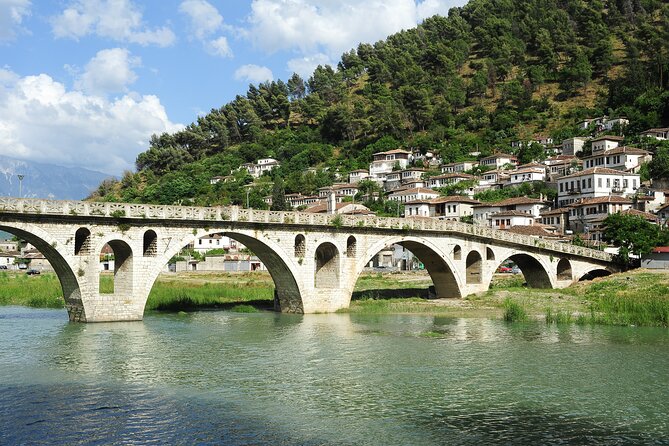
Day 3 heads south to Berat, famous for its white houses with many windows climbing the hillsides. The town is often described as the city of a thousand windows, and the view from the castle helps explain the nickname.
Berat Castle occupies a hill above the town and includes a living historic quarter, not simply a wall and a gate. You have about two hours here, enough to appreciate its churches, lanes, and views without treating it as a rushed photo stop.
Inside the castle, the Onufri Museum focuses on Byzantine art and iconography. This is one of the tour’s strongest cultural visits because it gives context to Albania’s Orthodox traditions and the visual art that survived through changing political periods.
The National Ethnographic Museum is listed as temporarily closed and viewed from outside. The Lead Mosque, or Xhamia Mbret, adds an Islamic landmark from the sixteenth century. Berat’s value is in this mix of Christian and Muslim sites, all within a compact historic setting.
Dinner brings a folk performance from the Berat area. The evening includes instruction with the dancers, so you can compare the local style with what you learned in Kruja. Do not expect a formal dance course with long practice sessions. Think of it as a lively cultural lesson attached to dinner, with the group joining in.
A few more to compare in Tirana
- Self – Guided Peaks of the Balkans tour in 7 days
★ 5.0 · 27 reviews - Discover the Best of Albania: 7 Days of Highlights & Hidden Gems
★ 5.0 · 25 reviews - 7 Day Tour of Albania, North Macedonia & Kosovo
★ 5.0 · 13 reviews - Small Group Hiking Tour; Peaks of the Balkans Trail in 7 Days
★ 5.0 · 8 reviews
Day 4: Monasteries, Apollonia, and Vlora’s coastal traditions
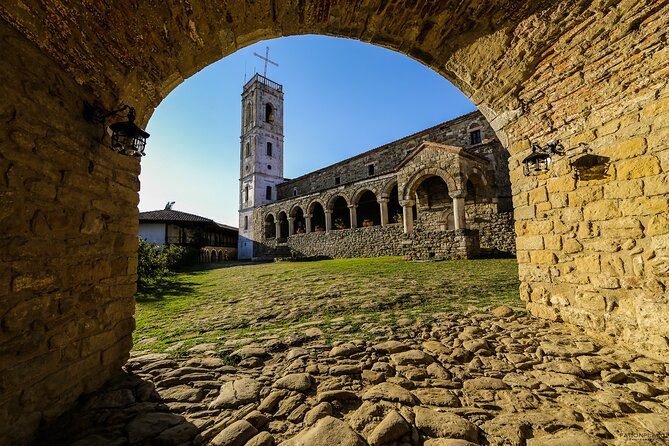
The next day shifts from castle towns to religious sites and ancient ruins. Ardenica Monastery is a small Orthodox complex linked to the Byzantine emperor Andronicus and dated to 1282. The visit is brief, but it adds a quieter stop before the archaeological site at Apollonia.
Apollonia flourished in antiquity and contains objects found around the ancient town. The visit lasts about an hour. If you enjoy ruins, this is an important stop, though the schedule leaves less time than a specialist archaeology tour would provide.
The route continues to Zvërnec Island in the Narta Lagoon, where you visit St. Mary’s Monastery, a medieval Byzantine church. The combination of lagoon setting and old church gives the day a different rhythm from the city walks and fortresses.
You then reach Vlora, Albania’s second-largest city and an important port. Dinner features songs and dances from the Vlora area, with a folk group leader teaching you the steps.
This is a good point in the trip to pay attention to regional differences. Albanian folk culture is not one single style. Costumes, music, rhythms, and dances vary by area, and the tour uses its route to show those changes through live instruction.
Day 5: Llogara Pass and the southern Riviera
Day 5 is one of the most scenic. The road climbs toward Llogara Pass in Llogara National Park, an evergreen forested area reaching about 1,800 meters above sea level. The short scheduled stop gives you a chance to take in the mountain setting before the route descends toward the coast.
You continue along the southern Riviera, with a stop at Porto Palermo Castle, also called Ali Pasha Castle. This nineteenth-century fortress sits in a dramatic coastal position and is reached by a route known for craggy shores and open sea views.
Borsh provides another change of pace. The stop includes the village and its water spring, a simple local feature rather than a major museum or monument. It breaks up the drive and gives you a glimpse of a smaller settlement.
The day ends in Saranda with polyphonic singing. Albanian iso-polyphony is a traditional vocal form, and hearing it performed at dinner gives you one of the tour’s most distinctive musical moments. This is not just background entertainment. It introduces a vocal tradition strongly associated with southern Albania.
The caution here is road time. The southern coast is rewarding, but the route is long and winding. If you suffer from motion sickness, bring whatever helps you and choose a seat near the front of the vehicle if possible.
Day 6: Butrint, the Blue Eye, and Gjirokastër
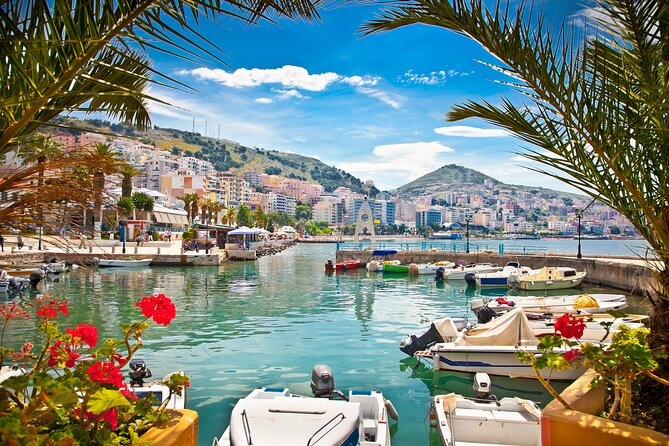
Day 6 combines three of southern Albania’s best-known attractions. Butrint National Park contains an archaeological site on a small peninsula. The remains reflect several periods of settlement, and the setting makes the visit feel different from an urban ruin.
The scheduled visit is one hour. That works for a first look, but you should not expect every section to receive equal attention. Wear practical shoes, since archaeological sites and castle towns involve uneven ground and walking.
The Blue Eye, or Syri i Kalter, is a natural spring known for its extremely cold water even in summer. Its depth is not known, and the stop lasts about 30 minutes. It is a short nature break rather than a long hike.
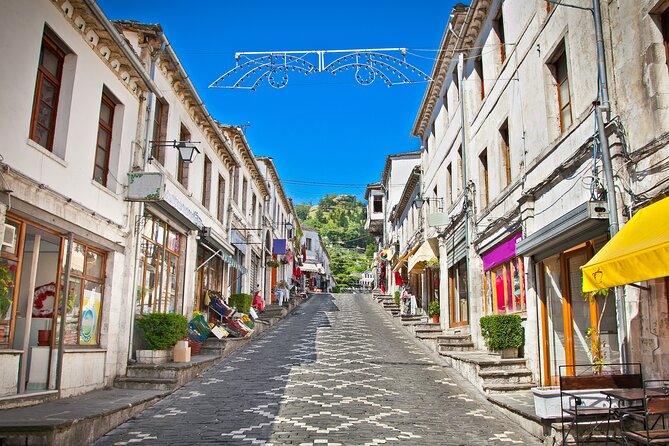
The journey then reaches Gjirokastër. At the Skenduli House, you see a traditional residence, while Ismail Kadare’s former home has been turned into a museum. Kadare was one of Albania’s best-known writers, so this stop adds literature to a route otherwise focused on monuments, music, and religious buildings.
Gjirokastër Castle is the largest castle in Albania and overlooks the river valley. The town also hosts the National Folklore Festival every five years, which fits naturally with the subject of this tour. The Old Bazaar, known locally as Qafa e Pazarit, dates back to the seventeenth century and forms the center of the old town.
Your final folk evening takes place here, with musicians and dancers from nearby areas. You receive more instruction, giving you a chance to build on the steps learned earlier in the week rather than starting from zero each night.
Day 7: Returning to Tirana
The final day is mainly a transfer from Gjirokastër to Tirana, taking about three hours. You can be dropped at Rinas Airport, Durrës Port, or another hotel in Tirana.
Check your departure time carefully. The tour details do not promise a specific airport arrival buffer, so a very early flight may not fit comfortably with the transfer. If you need extra time in Tirana, ask whether the final drop-off can be made at a hotel rather than the airport.
The five dance evenings and what they add
The folk sessions are the heart of the trip. You receive dinner and live music in Kruja, Berat, Vlora, Saranda, and Gjirokastër. Each session draws on the area you have visited that day.
I like this format because it avoids separating culture from place. You see Kruja’s castle and bazaar, then learn local dances that evening. You visit Berat’s hilltop quarter, then hear music connected with the Berat area. In Saranda, polyphonic singing brings a special southern tradition into focus.
The lessons are described as instruction from bands, dancers, and group leaders. They are not presented as private coaching, and the group can reach 40 people. If you are shy about dancing, remember that the point is participation, not technical perfection. Comfortable shoes and a willingness to look slightly foolish for five minutes will serve you well.
One published account describes the seven days as passing quickly and calls the holiday dreamlike. That fits the tour’s strength: every day brings a new region, and the evenings keep the journey social. The same account praises ATHS and suggests adding the cable car at Shkodra as an extra activity. Shkodra is not part of this route, so treat that as a separate idea, not an included stop.
Practical strengths and limits of the route
The air-conditioned vehicle matters because the schedule crosses much of Albania. You will not need to find separate transport between Tirana, the coast, and the southern towns.
The guide is English-speaking, and most people can participate. Still, the tour involves walking through castles, bazaars, archaeological sites, and old town quarters. The supplied details do not describe wheelchair access, hotel facilities, or walking distances in full, so ask before booking if you have mobility concerns.
The schedule is generous in places and tight in others. Berat Castle receives two hours, while many individual Tirana sights receive only 10 to 30 minutes. That is sensible for a broad first visit, but it is not ideal if you want long museum visits or time for independent photography.
The cancellation terms are strict close to departure. Cancel at least six full days before the start for a full refund, two to six days before for a 50 percent refund, and within two days for no refund. The activity also requires a minimum number of participants. If ATHS cancels because that number is not reached, you are offered another date or experience, or a full refund.
Who should book this Albanian dance tour?
You should consider it if you want a guided introduction to Albania that mixes active participation with major sights. It suits people who enjoy varied days, regional food and music, historic towns, and the convenience of having transport arranged.
It is less suitable if you want slow mornings, long stays in one town, or specialist attention at every archaeological and museum site. The maximum group size of 40 is another reason to choose this for its broad cultural program rather than for a small-group dance workshop.
Should you book the 7 Day Folk Dancing Tour of Albania?
Book it if the idea of learning local dances over dinner appeals to you as much as seeing castles and ruins. At $919, the included lodging, transport, breakfasts, five dinners, performances, lessons, guide, and entrance fees make the package reasonably priced for a full national circuit.
Before booking, confirm hotel details, lunch arrangements, group size for the dance lessons, and your final-day transfer time. If you accept the fast pace, this tour offers a memorable way to connect Albania’s regions through music, movement, religion, and food. If you prefer more freedom, use the route as inspiration and travel independently at a slower speed.
FAQ
Where does the tour begin?
The tour begins with pickup from Tirana International Airport, Durrës Port, or any hotel in Tirana. The listed start time is 12:00 pm.
How long is the tour?
The experience lasts approximately seven days and includes six nights of accommodation.
What meals are included?
The package includes six breakfasts and five dinners. The five dinners are connected with folk performances and dance lessons. Lunches and other personal food expenses are not listed as included.
How many folk performances are part of the tour?
Five folk show performances are included. They take place in Kruja, Berat, Vlora, Saranda, and Gjirokastër, with opportunities to learn dances.
Is transportation included?
Yes. Transportation is provided in an air-conditioned vehicle, including the arrival pickup and the transfer back to Tirana on Day 7.
What is the maximum group size?
The activity can have a maximum of 40 participants.
What is the cancellation policy?
You receive a full refund if you cancel at least six full days before the start time. Cancellation two to six full days before the start receives a 50 percent refund. Cancellation less than two full days before the start is nonrefundable.
Just added in Tirana
- Wine Tasting day in Berat (Visit to the Berat Castle & Lunch included)★ 4.5 · 6 reviews
- From Tirana Wine Tasting & Food tour in Berat★ 5.0 · 5 reviews
- Visit Albania and Kosovo★ 5.0 · 2 reviews
- Bovilla and Kruja: Where History Meets Nature★ 5.0 · 2 reviews
- Visit Albania and Montenegro★ 5.0 · 1 review
- Virtual Reality Games and Experiences – Perfect place to drink and have fun!★ 5.0 · 2 reviews
- UNESCO heritage in Albania – 4 days★ 5.0 · 3 reviews
- Exclusive Qafshtama National Park Hiking Tour With Private Transfer★ 5.0 · 1 review
7-Day Experiences, compared.
Self – Guided Peaks of the Balkans tour in 7 days
Read our review →
Discover the Best of Albania: 7 Days of Highlights & Hidden Gems
Read our review →
7 Day Tour of Albania, North Macedonia & Kosovo
Read our review →
Small Group Hiking Tour; Peaks of the Balkans Trail in 7 Days
Read our review →
7 Day Tour: Explore The UNESCO Sites (Arrival at Saranda Port)
Read our review →Browse the lists this tour appears in