
REVIEW · HISTORICAL TOURS
UNESCO heritage in Albania – 4 days
Albania packs centuries into a short road trip. This four-day private tour links Tirana, Berat, Gjirokastra, Saranda, Butrint, and the Albanian Riviera, giving you a broad look at the country without the trouble of arranging each transfer yourself. I especially like the UNESCO focus and the chance to see both inland Ottoman towns and the southern coast. I also like that accommodation, breakfast, dinner, transport, entrance fees, and guides are included.
The main caution is pace. You cover a lot of ground in four days, and some stops receive only a short visit. The price of $1,338.10 per person is easier to justify if you value private transport, included hotels, and a guide, but it is not a budget tour.
In This Review
- Key points to know before booking
- Starting in Tirana at Skanderbeg Square
- Berat Castle and the two faces of the old city
- Gjirokastra’s castle, bazaar, and museum homes
- The Blue Eye brings a nature break
- Saranda views from Lekursi Castle
- Butrint connects archaeology and national park
- Llogara National Park and a short Vlora stop
- What the $1,338.10 price really covers
- Group size, guide style, and the feel of the trip
- Who should book this four-day route?
- Should you book UNESCO Heritage in Albania?
- FAQ
- How long is the UNESCO Heritage in Albania tour?
- What destinations are included?
- Are the sites UNESCO World Heritage locations?
- Is transportation included?
- Are hotels and meals included?
- Is the tour private?
- Can I cancel for a full refund?
Key points to know before booking
- Riges is the named guide: A personal touch matters on a small private trip, and Riges received especially warm praise for creating a friendly, relaxed atmosphere.
- Five major heritage areas fit into four days: You see Tirana, Berat, Gjirokastra, Butrint, and parts of the southern coast.
- The route mixes cities and nature: The Blue Eye, Llogara National Park, and Ksamil balance the castles, museums, and old neighborhoods.
- The tour is private, with groups capped at 15: Your party participates together, while the listed maximum keeps the experience smaller than a large coach tour.
- Hotels and meals reduce planning work: Three nights of accommodation, three breakfasts, dinner, entrance fees, and private transport are included.
- The schedule favors coverage over long stays: Three-hour visits are common, while Llogara National Park and Vlora receive only about 30 minutes.
Starting in Tirana at Skanderbeg Square
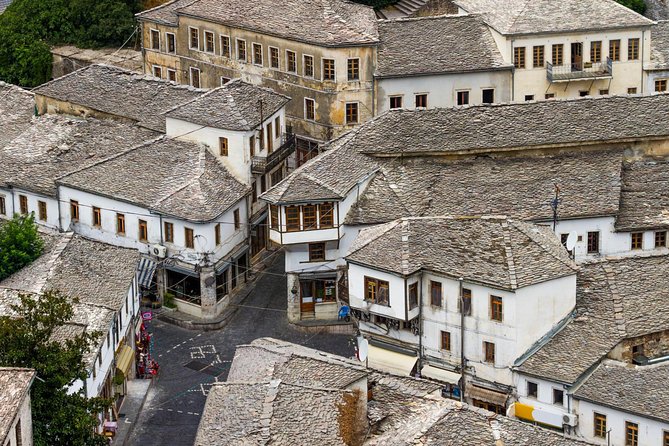
Your first morning begins at 8:00 a.m. in Tirana, Albania’s capital. The opening stop is Skanderbeg Square, where you visit the clock tower and the mosque of Tirana. One hour is enough to get your bearings, see the central landmarks, and begin understanding the city’s public face.
This is a useful first stop because it gives you a clear center before the tour moves into smaller towns. The included entrance arrangements also mean you do not need to handle each ticket separately. Still, the visit is brief, so you should not expect a full city tour from this hour alone.
The second Tirana stop is Blloku, with two hours set aside. This district offers a different view of the capital from the formal square. I like the contrast in the schedule: first a central civic area, then a neighborhood visit that gives the day a more local, urban feel.
You may find Blloku especially useful for seeing how Tirana changes from its historic center to a more modern district. The tour does not list specific museums or monuments here, so the value lies in walking through the area with your guide rather than checking off a long list of attractions.
More History Tours in Tirana:
- Tirana Walking Tour: History, Culture &Gems by a Passionate Guide
★ 5.0 · 52 reviews - Semi – Private Tour at Cape of Rodon; Hidden Beaches & History
★ 5.0 · 46 reviews - Walking tour of Tirana; History & Culture
★ 5.0 · 37 reviews
Berat Castle and the two faces of the old city
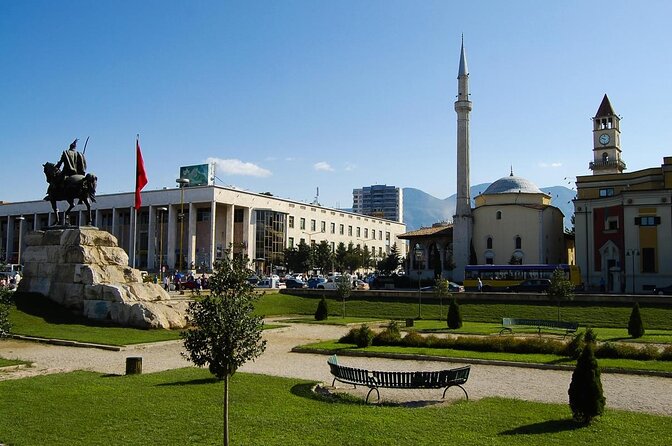
Day two moves to Berat, one of Albania’s key heritage stops. You have about three hours for Berat old city, the Onufri Museum, Berat Castle, the Gorica and Mangalemi neighborhoods, and Gorica Bridge.
That is a generous list for one stop, but it is also a packed one. Berat is best understood through its old quarters and hillside castle, where the town’s shape matters as much as any single building. The Gorica and Mangalemi neighborhoods offer contrasting views across the river, while the bridge gives you a natural link between them.
The Onufri Museum adds an important art and religious element. Including it makes the visit more than a walk through old streets. You get architecture, views, neighborhood life, and museum time in one block.
The practical issue is attention. Three hours can pass quickly once you combine the castle, museum, both neighborhoods, and the bridge. I would keep your walking shoes ready and avoid expecting a slow, unplanned stroll. The tour is designed to show you the main pieces in one visit.
Gjirokastra’s castle, bazaar, and museum homes
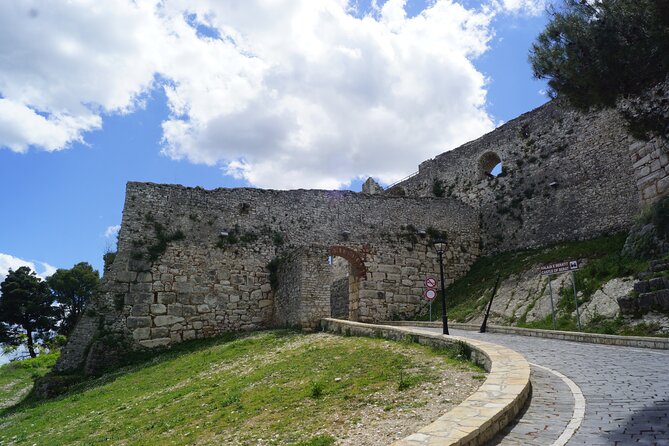
The same day continues to Gjirokastra, another major heritage town, with about three hours planned. The schedule includes Gjirokastra Castle, the Skendulas house and museum, the old bazaar, the Ethnographic Museum, and the Ismail Kadare Museum.
This is one of the most culture-heavy parts of the trip. The castle gives you the large-scale setting, while the house museums help explain daily life, family traditions, and local identity through smaller spaces. The old bazaar adds a street-level change of pace.
The Ismail Kadare Museum brings a literary angle that many quick heritage tours leave out. If you like places connected with writers, the stop gives Gjirokastra another layer beyond its stone buildings and fortress.
You should plan for a full day with a lot of information. Berat and Gjirokastra are not treated as separate overnight visits here. They are paired on Day 2, which makes efficient use of your time but leaves little room for lingering. I would ask Riges early in the day which locations deserve the most attention if you have a particular interest in museums, architecture, or local life.
The personal guide can make a real difference on a day like this. Riges was praised for a warm, easygoing manner, with conversation, humor, and a sense of companionship adding to the sightseeing. That matters when the schedule is full and you are moving through several sites in one day.
The Blue Eye brings a nature break
Day three starts at the Blue Eye park, with two hours planned. This gives the tour a welcome change from castles and museums. You can expect the Blue Eye to be treated as a nature stop rather than a short roadside photo break.
Two hours gives you time to see the park at a calmer pace than many of the historic stops. It also helps break up the drive toward the southern coast. The tour lists admission as included, so you are not left sorting out the entry cost on arrival.
The schedule does not provide details about walking distance or facilities, so I would keep your plans flexible. Wear practical shoes and be ready for an outdoor visit. The Blue Eye is one of the places where the tour’s mix of heritage and natural sites feels most balanced.
More trips out of Tirana:
- Hike Gamti Mountain with Bovilla lake view & canyon- From Tirana
★ 5.0 · 1,280 reviews - Berat city UNESCO tour, the Castle & Belshi lake- From Tirana
★ 5.0 · 804 reviews - Walking Tour of Tirana
★ 5.0 · 646 reviews - Kruja castle, the old Bazaar & Sarisalltik- Departure from Tirana
★ 5.0 · 592 reviews
Saranda views from Lekursi Castle
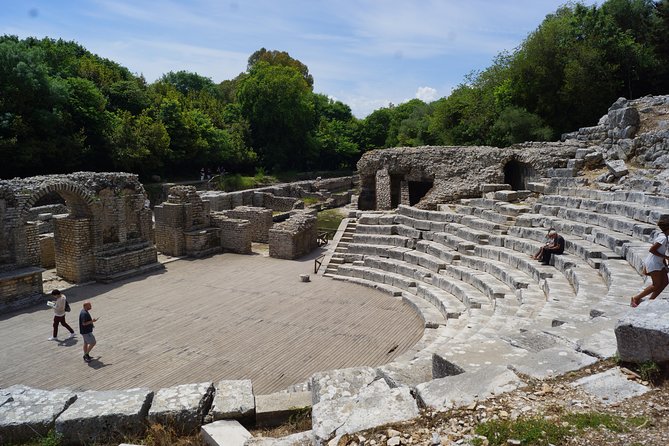
The next stop is Kalaja e Lëkurësit, also called Lekursi Castle, followed by Saranda. The visit lasts about 40 minutes. That is short, but the castle stop gives you a high point from which to view the coastal city and its surroundings.
This is a viewpoint stop more than a long castle exploration. Forty minutes should allow you to take in the setting, hear some context from your guide, and enjoy the views before continuing. If you want a detailed visit inside the castle area, the limited time may feel tight.
Saranda adds a city contrast after the Blue Eye. It is useful to see the coast as part of the same southern route rather than treating Albania’s heritage towns as isolated inland sights. The tour, however, does not list a separate long walking tour of Saranda, so keep your expectations focused on the Lekursi visit and the city setting.
Butrint connects archaeology and national park
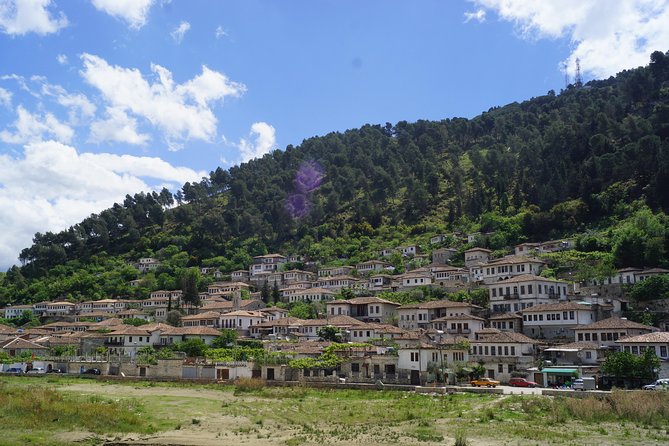
Day four brings the trip’s strongest heritage stop for many people: Butrint National Park. You have about three hours for Butrint, a UNESCO site, and Ksamil.
The appeal here is the combination of ancient remains and a protected natural setting. Rather than visiting a museum alone, you move through an outdoor archaeological area with a local guide. The included guide at Butrint is a useful detail because the site benefits from explanation. Without context, old stones can blur together. With a guide, you can better follow the place’s changing role over time.
Three hours gives you a solid visit, though the addition of Ksamil means the timing still needs discipline. I like that the tour does not treat Butrint as a quick photograph. It gives the site the longest single heritage visit on Day 4.
Ksamil provides a coastal counterpoint. The schedule names it alongside Butrint but does not assign a separate time, so you should ask how the day will be divided. If Butrint is your main reason for booking, make sure you know how much of the three-hour block will be spent there.
Llogara National Park and a short Vlora stop
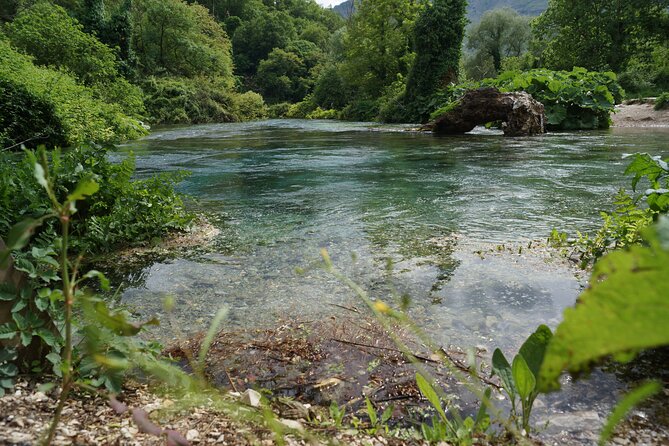
The final route travels through the Albanian Riviera, Llogara National Park, and Vlora City. Only about 30 minutes is allocated to this part of the day, so think of it as a scenic route and brief introduction rather than a full park visit.
This short timing is the clearest example of the tour’s coverage-first design. You get to pass through an important coastal area and see Vlora included in the route, but you will not have the same time there as in Berat, Gjirokastra, or Butrint.
The value is in connecting the southern sites into one journey. The drawback is simple: if Llogara or Vlora is a priority, half an hour will not be enough for a deep visit. You may want to use this part of the itinerary to observe the changing scenery from the road and hear the guide’s explanation, rather than expecting a long walk or a full city tour.
What the $1,338.10 price really covers
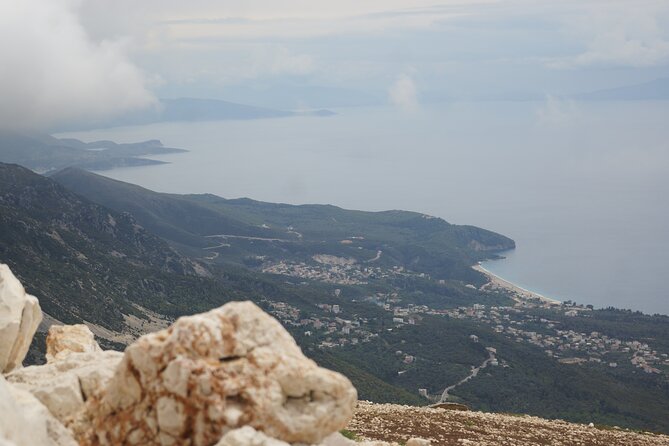
At $1,338.10 per person, this is a premium-priced four-day trip. The cost includes three nights of accommodation, three breakfasts, dinner, entrance fees, private transport, an English-speaking guide, and a local guide at Butrint.
That package can offer fair value if you want a single arrangement for a complicated route. Albania’s UNESCO sites are spread across different parts of the country, and arranging transport, hotels, site tickets, and local guidance yourself would take time. Here, the main work is done for you.
The price is harder to justify if you already have a car, prefer low-cost guesthouses, or want to spend several days in each town. You are paying for convenience and a guided route, not for a slow independent holiday.
There is one small point to clarify before booking: the information says dinner is included, while three breakfasts are included. Other meals are not listed, so you should budget for those yourself. The phrase everything not mentioned is excluded is worth taking seriously.
Group size, guide style, and the feel of the trip
The activity is private, meaning only your group participates. At the same time, the listed maximum is 15 people, and group discounts are offered. Ask for the exact group arrangement if the number of people matters to you.
A smaller group helps with practical things such as hearing the guide, moving through old streets, and keeping the day flexible. It also makes the guide’s personality more important. Riges is the named guide, and the strongest praise centers on a friendly connection, shared conversation, laughter, and a relaxed sense of traveling together.
That style will suit you if you enjoy discussion and personal contact rather than a formal lecture. It may be less ideal if you prefer long stretches alone or a strict audio-guide format. The tour is built around a human guide, not just transport between monuments.
Children must be accompanied by an adult, and most people can participate. The tour is near public transportation, though pickup is also offered. Confirmation arrives when you book, and free cancellation is available up to 24 hours before the start time. Changes or cancellations inside that window are not accepted.
Who should book this four-day route?
I would choose this tour if you want to see a wide slice of Albania in a short period and do not want to manage the roads, hotels, entrance tickets, and site arrangements yourself. It suits first-time visitors who want Tirana, inland heritage towns, the southern coast, and Butrint in one trip.
It is also a good fit if you value a personal guide. Riges’s warm approach is an important part of the experience, especially on long sightseeing days. The private format should appeal to couples, families, or a small group of friends who want to travel together.
You should think twice if your main goal is unhurried exploration. Berat and Gjirokastra each contain enough material for much longer visits, while Llogara and Vlora receive only a short stop. The route is broad, efficient, and ambitious, but not leisurely.
Should you book UNESCO Heritage in Albania?
Book it if range and convenience matter most. In four days, you see Albania’s capital, two major historic towns, a castle viewpoint, a natural park, Butrint, Ksamil, Llogara, and Vlora, with hotels, transport, breakfast, dinner, and entrance fees handled for you.
Skip it if you want to set your own pace or keep the budget low. The price is substantial, and several stops are brief. Before paying, confirm the group size, the exact hotel details, how time is divided between Butrint and Ksamil, and which dinner is included.
For the right person, this is a practical introduction to Albania’s cultural heart and southern coast. Its best feature is not one single monument. It is the way the route joins many very different places, with a guide who can make the long days feel personal rather than mechanical.
FAQ
How long is the UNESCO Heritage in Albania tour?
The tour lasts approximately four days and begins at 8:00 a.m.
What destinations are included?
The route includes Tirana, Berat, Gjirokastra, the Blue Eye, Saranda, Butrint, Ksamil, Llogara National Park, and Vlora City.
Are the sites UNESCO World Heritage locations?
Yes. The tour includes UNESCO heritage visits in Berat, Gjirokastra, and Butrint.
Is transportation included?
Yes. Private transportation is included, and pickup is offered.
Are hotels and meals included?
Three nights of accommodation, three breakfasts, and dinner are included. Other meals are not listed as included.
Is the tour private?
Yes. Only your group participates. The listed maximum group size is 15 people.
Can I cancel for a full refund?
Yes. You can cancel at least 24 hours before the experience start time for a full refund. Cancellations or changes made less than 24 hours before the start time are not accepted.
Just added in Tirana
- Wine Tasting day in Berat (Visit to the Berat Castle & Lunch included)★ 4.5 · 6 reviews
- From Tirana Wine Tasting & Food tour in Berat★ 5.0 · 5 reviews
- Visit Albania and Kosovo★ 5.0 · 2 reviews
- Bovilla and Kruja: Where History Meets Nature★ 5.0 · 2 reviews
- Visit Albania and Montenegro★ 5.0 · 1 review
- Virtual Reality Games and Experiences – Perfect place to drink and have fun!★ 5.0 · 2 reviews
- Exclusive Qafshtama National Park Hiking Tour With Private Transfer★ 5.0 · 1 review
- Private Transfers from Tirana International Airport to Sarandë★ 4.5 · 3 reviews
Historical Tours, compared.

Tirana Walking Tour: History, Culture &Gems by a Passionate Guide
Read our review →
Semi – Private Tour at Cape of Rodon; Hidden Beaches & History
Read our review →
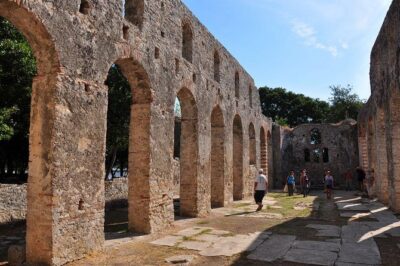
Ancient City of Butrint, UNESCO World Heritage site – A Must
Read our review →
Day Trip To Berat,UNESCO Heritage with Tirana Day Trips
Read our review →
Private Full-Day Historical Day Tour in North Macedonia and Albania
Read our review →
Browse the lists this tour appears in