
REVIEW · TRIPS ACROSS THE BORDER
Private Tour of Albania, North Macedonia and Kosovo – The Land & the People
The Balkans reward curious route planners. This private journey links three countries in ten days, moving from Roman ruins and Ottoman towns to Orthodox monasteries, lakes, mountain villages, and modern capitals. I like the broad cultural range, and I like the chance to adjust the route with the operator rather than follow a fixed coach itinerary. The main drawback is the pace: long drives, border crossings, and many historic stops can make some days feel packed.
This is not a beach holiday with a few sightseeing breaks. It is a serious introduction to southern Balkan history and daily life, with Albania as the main thread and North Macedonia and Kosovo added in thoughtful stages. Andi from Go as Local has also arranged shorter private versions of this route, including an eight-day trip, so it is worth asking how much time you want in each place before you confirm.
In This Review
- Key points to know before booking
- Why this route works for curious first-time visitors
- Day 1: Roman Durres and the white houses of Berat
- Day 2: Narta Lagoon, Vlora, and the Albanian Riviera
- Day 3: Butrint, Ksamil, and stone-built Gjirokaster
- Day 4: The Vjosa River and Aromani Voskopoja
- Day 5: Korca, Prespa Lake, and Bitola
- Day 6: Heraclea Lyncestis and Ohrid’s religious heritage
- Day 7: Skopje, a capital of sharp contrasts
- Day 8: Matka Canyon and Kosovo’s capital
- Day 9: Kosovo’s Serbian Orthodox heritage
- Day 10: Prizren, Kruja, and the return to Tirana
- Is $1,729.60 good value?
- Who should book this Balkan journey?
- Should you book it?
- FAQ
- How long is the tour?
- Where does the tour start and end?
- What countries does the tour visit?
- What is the price?
- Is pickup available?
- How many people can join the tour?
- What is the tour start time?
- Are admission tickets included?
- Can the itinerary be changed?
Key points to know before booking
- Three countries, one private route: Albania, North Macedonia, and Kosovo are covered in about ten days, with a maximum group size of 10.
- Strong archaeological core: Durres, Butrint, Heraclea Lyncestis, and several castles give the tour real historical weight.
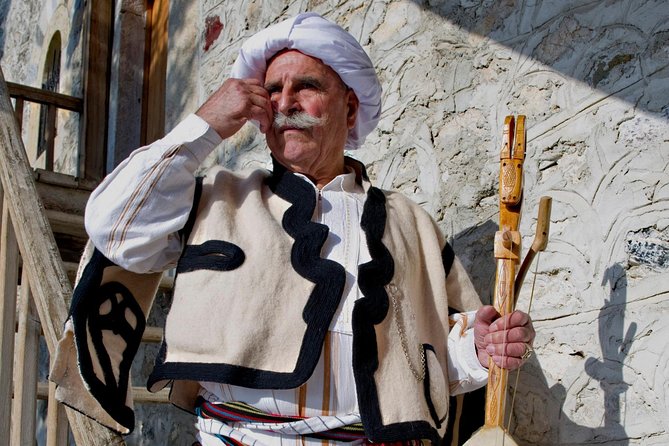
- Local cultures are part of the plan: You visit Aromani communities in Voskopoja, Macedonian communities near Prespa Lake, and Serbian Orthodox heritage sites in Kosovo.
- Several UNESCO-listed places: Berat, Butrint, Ohrid, and Kosovo’s medieval monasteries anchor the route.
- The scenery changes often: Adriatic coast, wild rivers, mountain roads, lakes, canyons, and city boulevards all appear.
- Private touring adds flexibility: Pickup is offered, group discounts are available, and activities can be added or adjusted.
Why this route works for curious first-time visitors
I like this tour because it does not treat the Balkans as one blurred region. Albania, North Macedonia, and Kosovo are presented as separate places with overlapping stories, different communities, and their own architectural styles.
You begin in Tirana and finish there, but the route makes a large loop. It includes Albania’s western coast, southern archaeological sites, inland mountain towns, North Macedonia’s lakes and cities, and Kosovo’s religious and political landmarks. That variety gives you a better sense of how the region fits together.
The private format matters here. A fixed group tour would have to keep moving, while a private guide can potentially add an activity or adjust the balance between museums, food, nature, and city walks. The operator specifically allows customization, though you should settle the details before departure because the published schedule is already full.
The tour is designed for a small party, with a maximum of 10 people. Pickup is offered, confirmation is normally provided within 48 hours subject to availability, and most people can take part. The stated price is $1,729.60 per person, but what that includes beyond the listed admissions and touring should be confirmed directly before booking.
More trips over the border:
- Semi-Private Tour of North Macedonia: Ohrid & Struga from Tirana
★ 5.0 · 170 reviews - North Macedonia: Ohrid & Saint Naum Day Tour from Tirana
★ 5.0 · 151 reviews - Day Tour of Kosovo from Tirana, Pristina and Prizren
★ 5.0 · 93 reviews
Day 1: Roman Durres and the white houses of Berat
The opening day starts at 9:00 a.m. with a drive from Tirana to Durres, Albania’s major coastal city. Durres is described as an open book of history, and that is a useful way to think about it. Greek, Roman, medieval, and modern layers are close together.
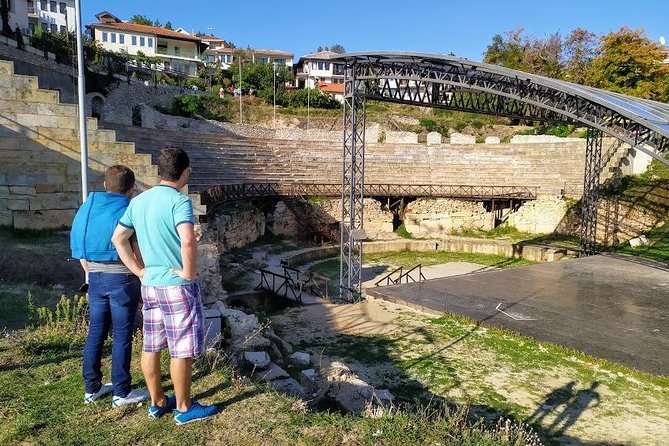
The Roman Amphitheatre is the key stop. With space for about 20,000 spectators, it ranks among the largest ancient arenas in the Balkans. The scheduled visit is only 15 minutes, so expect a quick introduction rather than a long archaeological study. If ancient sites are your main interest, ask whether more time can be allowed here.
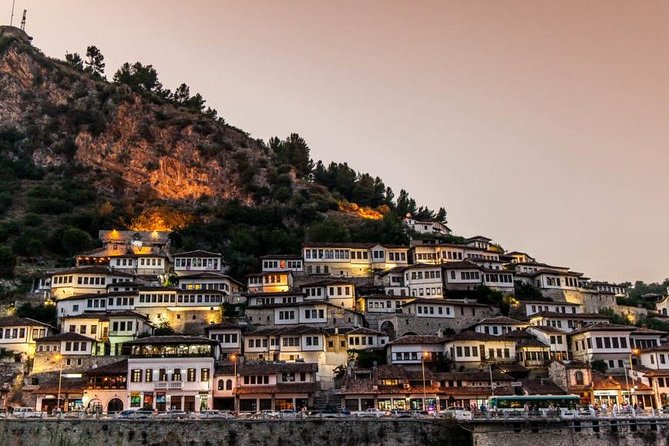
After Durres, you continue to Berat, a UNESCO World Heritage city with more than 20 centuries of history. Its three main neighborhoods give the visit shape. Kala is the castle district, Mangalem is known for its tightly stacked Ottoman-era houses, and Gorica sits across the river.
The Berat portion is generous, with a city tour, the castle, and the National Iconographic Museum Onufri. Inside the former Dormitory of Saint Mary, the museum displays Orthodox icons connected with the painter Onufri. The setting matters as much as the collection, since the museum occupies an old religious complex.
Berat is one of the strongest early stops because you get streets, religious art, architecture, and a hilltop fortress in one place. The tradeoff is a very long day. The schedule lists up to 12 hours in Berat, so comfortable shoes and a willingness to walk uphill are sensible.
Day 2: Narta Lagoon, Vlora, and the Albanian Riviera
The second day begins with St. Mary’s Monastery on the island of Zvernec in Narta Lagoon. A bridge crosses the salty water to the island, creating one of the calmer moments on the itinerary. The Byzantine-style monastery provides a sharp contrast to the busy ancient sites of the first day.
You then visit Vlora, the city associated with Albanian independence. The plan combines a short city tour with a drive along the Albanian Riviera. You also receive free time on the coast and stop in typical villages and local restaurants.
This is a useful day for slowing down, but do not picture it as a full resort day. The coast is part of a moving route, and the schedule leaves room for local food and village visits rather than a long block of beach time. Overnight lodging is in Saranda or in a typical village along the coast, depending on the arrangement.
I especially like the way this day connects national history with ordinary life. Vlora gives you a political landmark, while the villages and restaurants offer a more grounded look at southern Albania. Ask where the overnight stay will be, since Saranda and a smaller village provide very different evenings.
Day 3: Butrint, Ksamil, and stone-built Gjirokaster
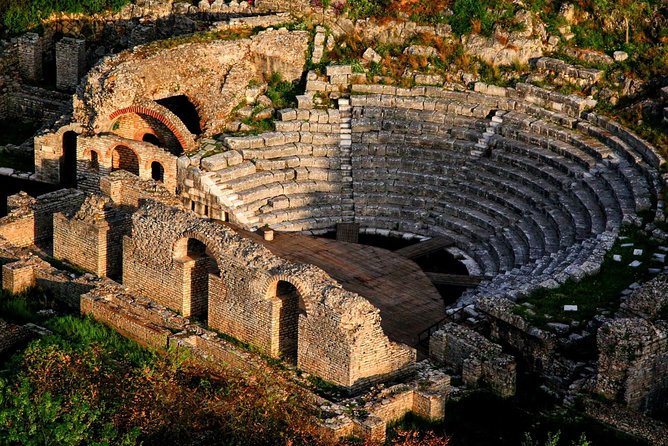
Butrint is one of the tour’s major highlights. This UNESCO site began as an ancient Greek settlement and later became a Roman city and bishopric. People lived here from prehistoric times, and the ruins reflect that long sequence.
The visit lasts about three hours, enough for a meaningful introduction to the archaeological park. You then see the pretty island setting of Ksamil before continuing to Gjirokaster.
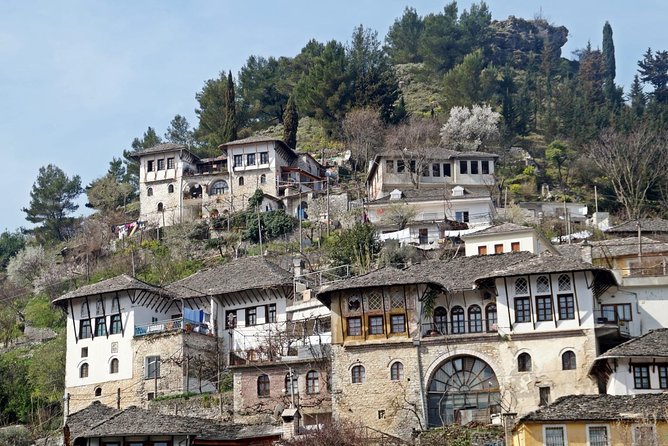
Gjirokaster feels different from Berat. Its streets are made for slow walking, with cobbled paths, fortress-style houses, and heavy stone roofs. The city has a distinctive, almost severe appearance, but the itinerary also points to the life within those old walls.
The castle receives a separate guided visit of about one hour. That division is helpful because the city walk and fortress require different kinds of attention. You can look at the architecture in town, then focus on legends and stories inside the castle.
You spend the night in Gjirokaster, which is a smart choice. A city like this is best after the day-trippers leave, though the supplied information does not specify the hotel or exact evening program.
More trips out of Tirana:
- Hike Gamti Mountain with Bovilla lake view & canyon- From Tirana
★ 5.0 · 1,280 reviews - Berat city UNESCO tour, the Castle & Belshi lake- From Tirana
★ 5.0 · 804 reviews - Walking Tour of Tirana
★ 5.0 · 646 reviews - Kruja castle, the old Bazaar & Sarisalltik- Departure from Tirana
★ 5.0 · 592 reviews
Day 4: The Vjosa River and Aromani Voskopoja
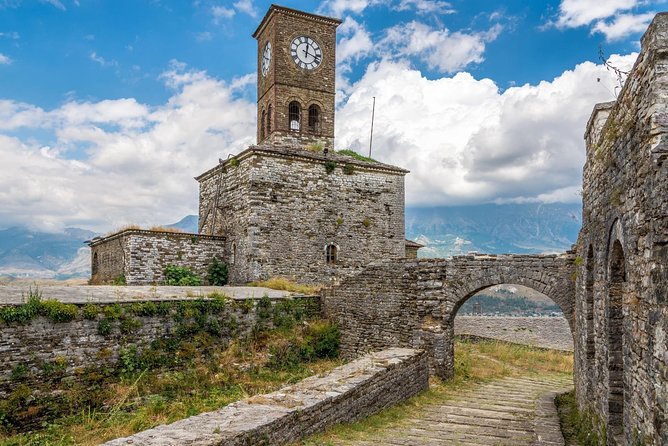
Day four changes direction and takes you inland to Permet, near the Vjosa River. The Vjosa is described as one of the few wild rivers remaining in Europe, and the stop gives the route a welcome nature break.
Permet is also linked with Albanian slow food and local gastronomy. The tour does not promise a particular tasting menu, so ask what food experience is planned if eating is a major reason for your booking.
The road to Voskopoja is described as windy and bumpy. That is important practical information, not a minor footnote. You should expect a rougher transfer and be comfortable with mountain driving before choosing this route.
Voskopoja was once a major settlement and an important center for Aromanians in the Balkans. It reportedly had a population near 15,000 in the 18th century and contained a printing press that ranked second in the Ottoman Empire. The visit focuses on the area’s churches, culture, and record of different ethnic groups living together.
This is one of the tour’s most distinctive stops because it moves beyond the usual capitals and famous ruins. Voskopoja asks you to pay attention to a smaller community and its past. The drawback is simple: the road and the length of the day may test anyone who prefers easy transport.
Day 5: Korca, Prespa Lake, and Bitola
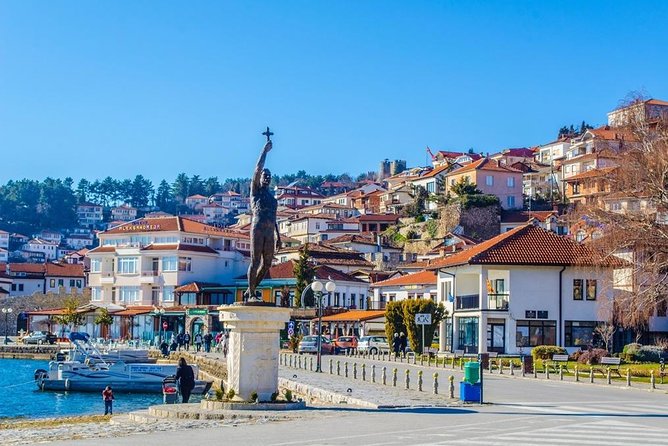
Korca is the largest city in southeastern Albania and an important cultural center. Its renovated bazaar gives you a compact city walk, while the town’s first Albanian school adds a strong educational and national angle.
Next comes Pustec, a small municipality near Prespa Lake and home to a Macedonian community. The area is presented as less commercial and less visited, with distinctive food and attractive natural surroundings.
This stop is valuable because the tour is not only about major Albanian identity. It shows how different ethnic communities live within the same southeastern corner of the country. The schedule allows about two hours, enough for a short introduction but not a full exploration of the lake region.
The final destination is Bitola in North Macedonia. Its wide pedestrian boulevard, historic buildings, and distinctive architecture make it a pleasant city for walking. A four-hour city tour gives you more breathing room than some earlier stops.
The sequence also makes geographic sense. Pustec provides a border-region experience, then Bitola introduces you to a North Macedonian city before the following day’s major archaeological and lakeside sights.
Day 6: Heraclea Lyncestis and Ohrid’s religious heritage
Heraclea Lyncestis begins the day. Philip II, the father of Alexander the Great, founded this ancient city in the fourth century BC. The planned visit lasts two hours, making it more than a quick photo stop.
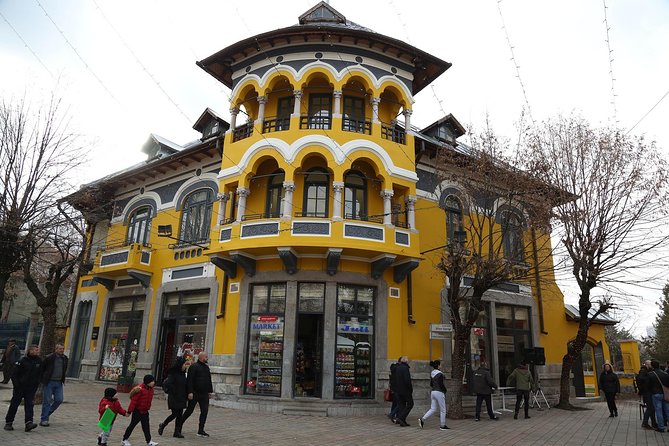
Then you head to Ohrid, probably the most scenic city on the North Macedonian portion of the route. Ohrid combines history, religion, and a lakeside setting, earning it the nickname Jerusalem of the Balkans.
The city tour includes Samuil’s Fortress, St. Sofia Church, the old Greek Theater, the old neighborhood, the local market, and the lower city center. That is a lot for five hours, but the route gives you a useful first look at Ohrid’s main areas.
The fortress visit itself is listed at only 20 minutes, mainly for the panoramic view. If you want a slow look at the walls or more time in the churches, tell your guide early. Ohrid is a place where rushing can undercut the pleasure, especially when you are already carrying several days of sightseeing.
You spend the night in Ohrid, which gives this important city more time than a simple daytime stop.
Day 7: Skopje, a capital of sharp contrasts
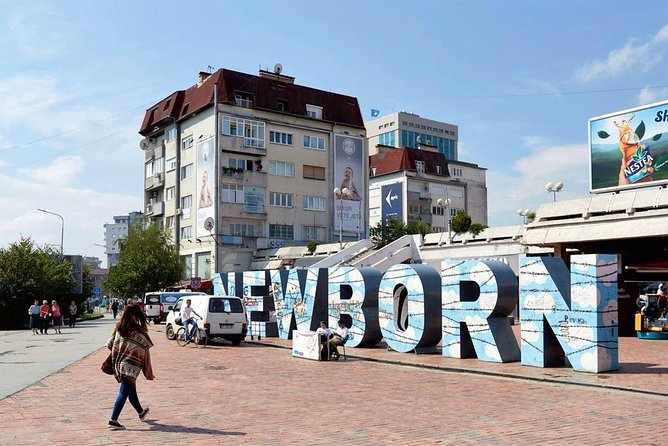
The drive from Ohrid to Skopje shifts the mood again. Skopje is the capital of North Macedonia and the itinerary presents it as a city proud of its culture and heritage.
The five-hour city tour should help you see the contrast between older Ottoman-style buildings, former Yugoslav architecture, and newer construction. That mixture is central to the city’s character. You are not being shown a single polished historic center, but a capital shaped by different political periods.
Skopje is an overnight stop, which is practical after the long transfer. The plan does not name individual monuments beyond the general city tour, so confirm which neighborhoods and sights are included if you have particular interests.
Day 8: Matka Canyon and Kosovo’s capital
Matka Canyon provides the route’s main nature outing. The park includes a lake, dramatic canyon scenery, and medieval Orthodox monasteries. You receive about four hours of free time in the area, a welcome change from tightly guided urban sightseeing.
The available information does not specify boating, hiking routes, or a particular monastery visit. Do not assume those activities are included. Ask what the free time covers and what transport arrangements apply within the park.
After Matka, you cross into Kosovo and continue to Pristina. The capital brings together former Yugoslav design, 18th-century Ottoman buildings, Cold War-era Brutalism, and modern construction.
Only two hours are assigned to Pristina, so this is an orientation stop rather than a full city visit. That is enough to see the main contrasts, but not enough to understand every part of the capital. I would use the private format to name one or two priority sights in advance.
Day 9: Kosovo’s Serbian Orthodox heritage
This day focuses on two UNESCO-listed monasteries. Gracanica Monastery lies a few kilometers from Pristina in the Serbian community of Gracanica. The scheduled visit lasts one hour.
The route then continues to Decan, home to another UNESCO-listed monastery built by the same Serbian ruling dynasty and architectural school. The visit is also planned for about one hour.
These places add essential context to Kosovo’s religious and political complexity. The itinerary does not reduce the region to one national story. It includes Albanian political history, Serbian Orthodox heritage, and the communities connected to both.
Gjakova follows with a short city visit of about two hours. The day is focused and serious, with less emphasis on scenery or free time. That balance may suit you if religious architecture and regional history matter more than leisurely shopping.
Day 10: Prizren, Kruja, and the return to Tirana
Prizren is called Kosovo’s cultural capital and sits on both sides of the Bistrica River below its fortress. The city tour includes the fortress and the House of the Prizren League, an important site in 19th-century Albanian political history.
Inside the League complex is an ethnographic museum. The scheduled museum visit is only 20 minutes, while the broader Prizren visit lasts about three hours. If you care about the political story behind Albanian national identity, ask for enough time to understand the exhibits rather than simply passing through.
The final major stop is Kruja, a medieval stronghold tied to Skenderbeu and Albanian resistance against the Ottoman Empire. You visit the traditional bazaar and the Historical Museum of Skenderbeu.
Kruja is a fitting final stop because it returns you to Albanian history before the tour ends in Tirana. The visit lasts about two hours, but the day also includes the drive back from Kosovo. Expect a full final day.
Is $1,729.60 good value?
At $1,729.60 per person, this is not a budget hop between cities. It becomes more reasonable when you consider the private format, the ten-day duration, cross-border routing, guided visits, and the number of major sites included.
You are paying for an arranged route through three countries rather than isolated day trips. The value is strongest if you want one operator to handle the overall plan and explain the cultural links between Albania, North Macedonia, and Kosovo.
The price is harder to judge without a clear list of inclusions. Several admission tickets are identified, but the available details do not spell out every hotel, meal, transfer cost, or guide arrangement. Ask for that breakdown before paying.
The private setup also lets you shape the value. You might request more time in Ohrid, Berat, or Butrint, or ask for a clearer food plan in Permet and Pustec. You can also ask whether the route can be shortened, since Andi has arranged an eight-day version.
Who should book this Balkan journey?
I would choose this tour if you want history, archaeology, architecture, and local communities in equal measure. It suits an independent-minded couple, family, or small group that wants a guide but does not want to join a large bus.
You should also be comfortable with long drives and varied roads. The route includes a bumpy mountain road to Voskopoja, several border crossings, and full sightseeing days. It is not ideal if you want a slow coastal holiday or a single-country itinerary.
Ask the operator to confirm the pickup point, lodging, meals, transport, border requirements, and the exact activities included in free-time blocks. Free cancellation is available until 24 hours before the start time, with no refund for later cancellations or changes.
Should you book it?
Book this tour if you want a wide cultural sweep and the convenience of one private plan. Its best feature is the unusual mix of famous sites and smaller communities, especially Voskopoja, Pustec, and the Serbian Orthodox monasteries in Kosovo.
Skip it if you prefer deep exploration of fewer places. Ten days can introduce you to the southern Balkans, but it cannot give every city the time it deserves. Before booking, ask Andi to tailor the schedule around your top three interests. That small conversation could turn a demanding route into a very good fit.
FAQ
How long is the tour?
The published tour duration is approximately 10 days.
Where does the tour start and end?
The tour starts in Tirana and ends in Tirana.
What countries does the tour visit?
It visits Albania, North Macedonia, and Kosovo.
What is the price?
The listed price is $1,729.60 per person.
Is pickup available?
Yes, pickup is offered.
How many people can join the tour?
The activity has a maximum group size of 10 people.
What is the tour start time?
The listed meeting time is 7:00 a.m., while the first departure from Tirana on Day 1 is stated as 9:00 a.m. Confirm the exact pickup time with the provider.
Are admission tickets included?
Admission is specifically included for several sites, including the Durres Amphitheatre, Onufri Museum, Berat Castle, Zvernec Monastery, Butrint, Gjirokaster Castle, Heraclea Lyncestis, Samuil’s Fortress, Matka Canyon, Gracanica Monastery, and the Albanian League of Prizren Museum.
Can the itinerary be changed?
Yes. As a private tour, it can be customized, and you can request added activities. Confirm any changes with Go as Local before the trip.
Just added in Tirana
- Wine Tasting day in Berat (Visit to the Berat Castle & Lunch included)★ 4.5 · 6 reviews
- From Tirana Wine Tasting & Food tour in Berat★ 5.0 · 5 reviews
- Visit Albania and Kosovo★ 5.0 · 2 reviews
- Bovilla and Kruja: Where History Meets Nature★ 5.0 · 2 reviews
- Visit Albania and Montenegro★ 5.0 · 1 review
- Virtual Reality Games and Experiences – Perfect place to drink and have fun!★ 5.0 · 2 reviews
- UNESCO heritage in Albania – 4 days★ 5.0 · 3 reviews
- Exclusive Qafshtama National Park Hiking Tour With Private Transfer★ 5.0 · 1 review
Trips Across the Border, compared.
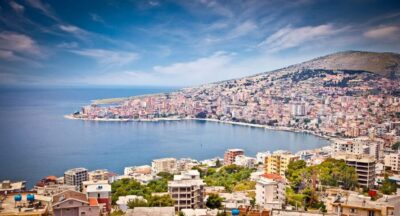
Day Trip to Saranda and Butrint National Park from Corfu
Read our review →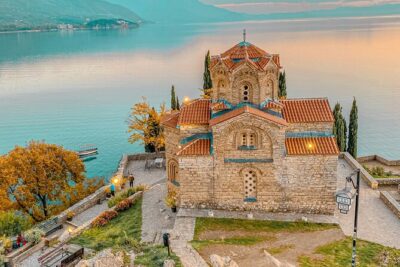
Semi-Private Tour of North Macedonia: Ohrid & Struga from Tirana
Read our review →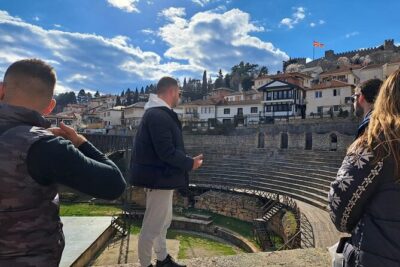
North Macedonia: Ohrid & Saint Naum Day Tour from Tirana
Read our review →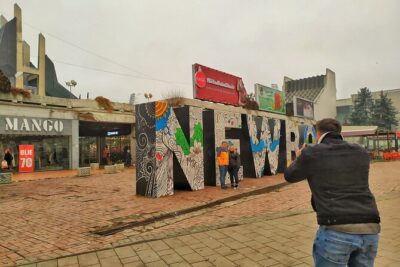
Day Tour of Kosovo from Tirana, Pristina and Prizren
Read our review →
Corfu: Palaiokastritsa Swimming and Loggas Beach Sunset Tour
Read our review →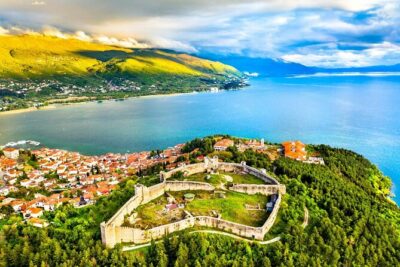
Ohrid – North Macedonia Full Day Tour from Tirana & Durres/Golem
Read our review →
Private Half-Day Jeep Safari in Northwestern Corfu
Read our review →
Semi-Private Day Tour of Montenegro: Budva & Kotor from Tirana
Read our review →Browse the lists this tour appears in