
REVIEW · TRIPS ACROSS THE BORDER
Semi-Private Tour of The Balkans from Tirana to Dubrovnik / Split
Eight days, five countries, countless border crossings. This tour packs Albania, Kosovo, Montenegro, Bosnia and Herzegovina, and Croatia into one well-organized route, with local food, historic towns, mountain views, and private transport throughout. I especially like the small maximum group of 10 and the chance to eat like a local, from byrek in Tirana to qofte and raki at the New Bazaar. The main drawback is the pace: you cover a lot of ground, so some stops feel more like a well-chosen introduction than a full visit.
I also like the human touch. Guides such as Besa and Sirma are praised for friendly help, personal stories, and strong support during the journey. At $2,754.29 per person, the price is substantial, but it includes seven breakfasts, seven nights in three-star hotels, transport, fuel, road taxes, tourist taxes, guide services, and listed entry fees. Your final value depends on sharing a room and paying separately for every lunch, dinner, drink, and snack.
In This Review
- Key Points Before You Book
- What This Eight-Day Route Does Well
- Day One: Tirana Through Markets, Coffee, and Bunk’Art 2
- Day Two: Kruja’s Bazaar and Prizren’s Ottoman Core
- Day Three: Gjakova, Decani, and Kosovo’s Wine Country
- Day Four: A Farm Visit and Shkodra’s Rozafa Castle
- Day Five: Sveti Stefan, Budva, and Kotor
- Day Six: Mostar’s Stari Most and Blagaj’s Buna Spring
- Day Seven: Sarajevo, Three Faiths, and the Latin Bridge
- Day Eight: Crossing Into Croatia and Choosing Your Finish
- What the $2,754.29 Price Really Covers
- Who Should Book This Tour?
- FAQ
- Where does the tour begin?
- Where does the tour end?
- How long is the tour?
- How many people can join the tour?
- What accommodation is included?
- Are meals included?
- Is transport included?
- Are admission fees included?
- Can I cancel or change the booking?
- Should You Book It?
Key Points Before You Book
- Five-country route: Travel from Albania through Kosovo, Montenegro, Bosnia and Herzegovina, then finish in Croatia.
- Food is part of the sightseeing: Try byrek, Albanian coffee, qofte, gjize, raki, local farm produce, and regional dishes in Sarajevo.
- Small group format: The tour accepts a maximum of 10 people, making it more personal than a large coach trip.
- Major historic sights: Visit Bunk’Art 2, Kruja Castle, Decani Monastery, Kotor, Stari Most, Blagaj, and Sarajevo’s Latin Bridge.
- Two possible endings: The tour finishes with hotel drop-off in either Dubrovnik or Split.
- Busy touring days: Border crossings and long road sections are part of the bargain, especially from Kosovo toward northern Albania and from Montenegro into Bosnia.
What This Eight-Day Route Does Well
The clever part of this trip is its range. You move from Tirana’s cafés and markets to Ottoman streets in Prizren, vineyard country near Rahovec, the Adriatic coast, Mostar’s famous bridge, and Sarajevo’s layered neighborhoods.
You are not simply ticking off capitals. The route includes working markets, a farm that preserves local food, small religious sites, old bazaars, and places connected to recent European history. That gives the trip more texture than a basic highlights tour.
The group size matters. With no more than 10 people, you should have an easier time hearing the guide, asking questions, and getting in and out of the vehicle. Private transport is included, which removes the need to piece together buses across five countries.
Still, this is a road tour first and a slow holiday second. You will cross several international borders, and the schedule can change because of weather, strikes, holidays, closures, or other outside events. Keep your expectations realistic. You will see an impressive amount, but you will not have hours in every town.
More trips over the border:
- Semi-Private Tour of North Macedonia: Ohrid & Struga from Tirana
★ 5.0 · 170 reviews - North Macedonia: Ohrid & Saint Naum Day Tour from Tirana
★ 5.0 · 151 reviews - Day Tour of Kosovo from Tirana, Pristina and Prizren
★ 5.0 · 93 reviews
Day One: Tirana Through Markets, Coffee, and Bunk’Art 2
The tour begins at 9:00 a.m. with hotel pickup in Tirana. The first day is built around ordinary city life, which I consider a smart choice. Rather than rushing straight to a monument, you begin with breakfast at Tregu Çam, a local market area known for byrek.
Byrek is a simple pastry made with dough and fillings such as cheese, meat, or spinach. It is inexpensive, filling, and very much a local breakfast rather than a staged attraction. You will also have time to browse Çam bazaar, where sellers offer clothing, kitchen goods, and other everyday items. Bargaining is part of the visit.
Later, you walk through Tirana’s side streets and markets, try a traditional dessert, and stop for Albanian coffee. The coffee stop may sound small, but it gives you a useful look at the country’s social rhythm. Cafés are important meeting places, and the tour makes room for that routine.
At Pazari i Ri, the New Bazaar, you try qofte, grilled meatballs served with fresh bread. Vegetarians are offered bread with Albanian gjize, a cottage cheese. The meal also includes a taste of raki, the strong local spirit that appears often in Balkan food culture.
The day ends at Bunk’Art 2, a former Cold War nuclear bunker converted into a museum in 2014. Its exhibitions focus on the communist army and daily life during Enver Hoxha’s rule. This is one of the more useful stops in Tirana because it gives context for Albania’s modern past, a subject that can otherwise remain hard to grasp during a short visit.
You spend the night in Tirana. Since breakfast, market food, dessert, coffee, lunch, and museum time all arrive on the first day, wear comfortable shoes and avoid planning an elaborate evening meal.
Day Two: Kruja’s Bazaar and Prizren’s Ottoman Core
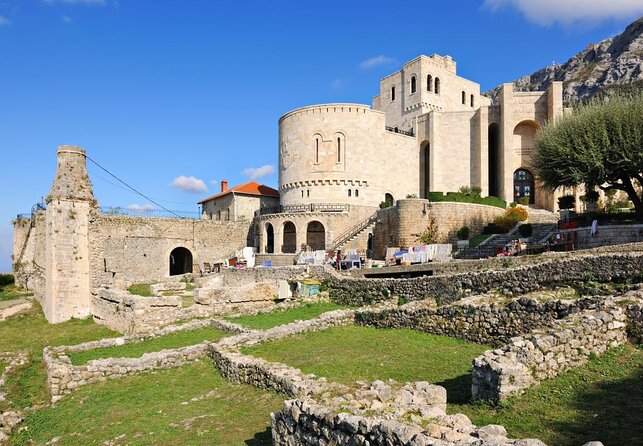
After breakfast, you drive to Kruja, a mountain city tied to Albania’s resistance against Ottoman expansion in the 15th century. The city sits about 560 meters above sea level on the slopes of Sarisalltik Mountain, so the setting is more dramatic than Tirana’s flat urban streets.
Kruja’s Medieval Old Bazaar is one of the oldest and largest in the Balkans. Its narrow lanes and wooden-fronted shops make it a good place to buy souvenirs, especially handmade carpets, jewelry, and other local crafts. I would save some spending money for this stop, but compare prices before buying. The bazaar is designed for browsing, not for a quick photograph.
Kruja Castle sits above town on a rocky hill. The tour includes the castle and some lesser-used paths connected with local escape routes. The visit involves uneven ground and uphill walking, so sturdy footwear is sensible.
The international character of the tour begins in earnest as you cross into Kosovo and continue to Prizren. Border delays are always possible, even when the road distance looks modest. Keep your passport accessible and avoid scheduling anything outside the tour on this day.
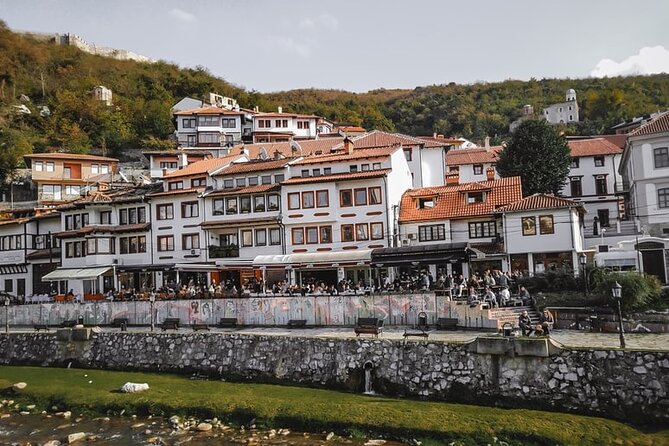
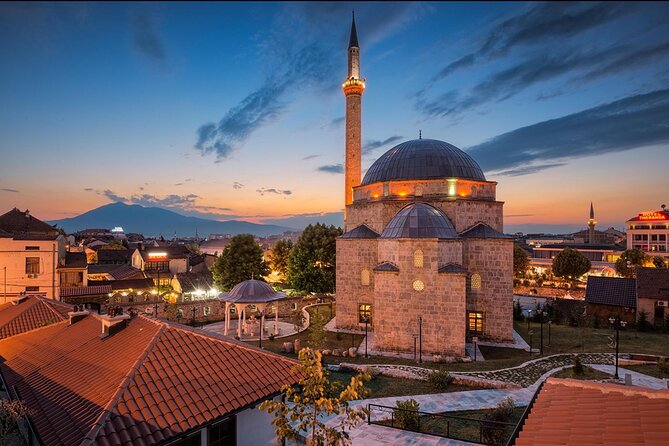
Prizren is one of the most appealing stops on the route. A river runs through the old town, bridges connect the streets, and Ottoman-era houses sit alongside religious buildings and shops. The Sinan Pasha Mosque is included, with decorative arabesque patterns that make it one of the city’s key sights.
You also climb to Kalaja Fortress for a broad view over Prizren. The afternoon is free, which helps balance the schedule. Use it to wander the old streets, look for filigree metalwork, or enjoy a meal without being rushed from one formal stop to another.
Day Three: Gjakova, Decani, and Kosovo’s Wine Country
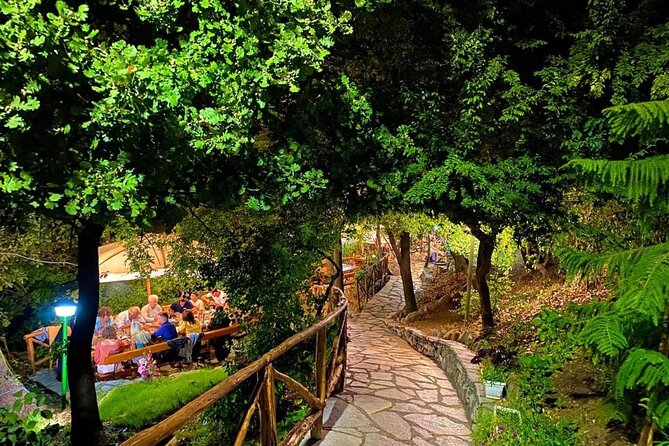
Day three takes you to Gjakova, home to Kosovo’s oldest and largest bazaar. The market was destroyed and rebuilt several times during the Balkan wars, World War II, and the Kosovo War. Its reconstruction gives the street a special weight, while the shops still sell handmade crafts and local goods.
The next stop is Decani Monastery, an Orthodox monastery known for its white exterior and 14th-century frescoes. Monks still live there and produce food such as cheese. The monastery became a UNESCO site in 2004 because of its paintings and their connection to Byzantine art.
This visit also requires respect for religious rules. Dress modestly, follow instructions from the tour leader, and understand that access can depend on current conditions. The schedule allows about an hour, enough to appreciate the setting and artwork but not to examine every detail.
You then travel to Rahovec Valley, Kosovo’s main wine-producing area. Grapes have been cultivated here since Illyrian times, and vineyards cover low hills at elevations between 350 and 520 meters. September is an especially appealing time for this region because Rahovec holds an annual wine festival, though the tour information does not promise festival attendance.
This is a quieter day than the first two. It connects craft traditions, religious art, and agriculture, giving you a wider sense of Kosovo than a simple city tour would.
More trips out of Tirana:
- Hike Gamti Mountain with Bovilla lake view & canyon- From Tirana
★ 5.0 · 1,280 reviews - Berat city UNESCO tour, the Castle & Belshi lake- From Tirana
★ 5.0 · 804 reviews - Walking Tour of Tirana
★ 5.0 · 646 reviews - Kruja castle, the old Bazaar & Sarisalltik- Departure from Tirana
★ 5.0 · 592 reviews
Day Four: A Farm Visit and Shkodra’s Rozafa Castle
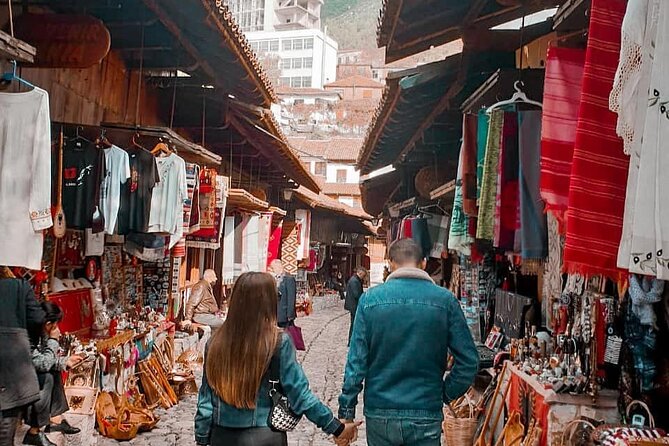
Mrizi i Zanave is one of the more unusual stops on the trip. It is a slow-food agricultural tourism farm that gathers, preserves, and prepares regional products. You tour the farm, hear how the family business developed, and see how former communist buildings were adapted for food storage.
The farm has helped create jobs for more than 400 people in the surrounding area. That detail gives the visit real importance. You are seeing how local food production can support a community, not just stopping for a country meal.
You have free time for lunch or for buying fresh products. Lunch is not included, so budget separately. The farm is a good place to spend some of that meal allowance, especially if you care more about regional ingredients than a quick roadside stop.
In the afternoon, you continue to Shkodra, one of Albania’s oldest cities. The city gives its name to Lake Shkodra, the largest lake in the Balkans. Its history reaches back more than a thousand years, and the oldest wall at Rozafa Castle dates to the first millennium BCE.
Rozafa Castle is the day’s main sight. From its hilltop position, you get views toward the lake and the rivers that flow toward the Adriatic. The castle is more than a ruin with a view. Its position explains why Shkodra mattered as a defensive and trading center for so long.
Back in the city, Venetian influence appears in the architecture and in local mask-making traditions. If you happen to visit in February, the carnival may add another layer to the stop. Otherwise, allow time for a walk through the streets and a look at the city’s blend of Balkan, Mediterranean, and Venetian influences.
Day Five: Sveti Stefan, Budva, and Kotor
The Montenegro section begins with a viewpoint near Sveti Stefan. The former fishing village now functions as an exclusive residential resort, and the island itself is not open for ordinary visits. Treat this as a scenic photo stop, not a full attraction.
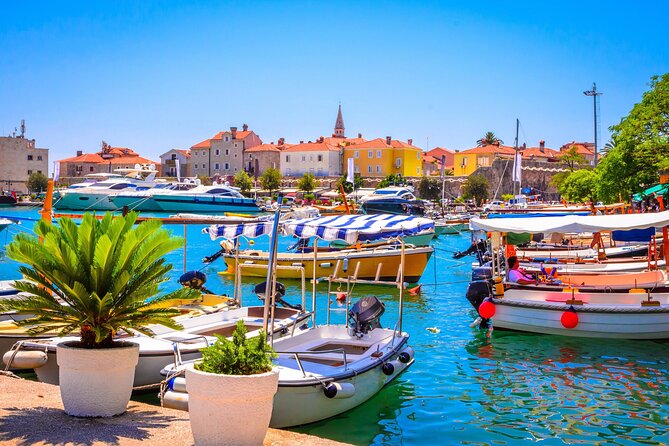
Budva follows. Its modern side has offices, shopping areas, restaurants, and bars, while the old town contains medieval buildings and churches, including St. Ivan and St. Mary. The tour focuses on the historic center.
Budva is a popular coastal destination, so it can feel more commercial than Kruja, Prizren, or Shkodra. That contrast is useful. You see both the resort side of Montenegro and the older stone town within the same stop.
Kotor receives about two hours, the longest visit of the day. The UNESCO-listed old town is a maze of cobbled lanes, churches, and old buildings. Its confusing street plan once helped protect the town from raiders. Today, getting slightly lost is part of the pleasure, provided you remember where to meet the group.
The tour includes Saint Luke’s Church, a small building with special meaning for local unity. Kotor’s old town is compact but dense with sights, so use the free moments to look upward at the stone façades and church details rather than rushing from one square to another.
Day Six: Mostar’s Stari Most and Blagaj’s Buna Spring
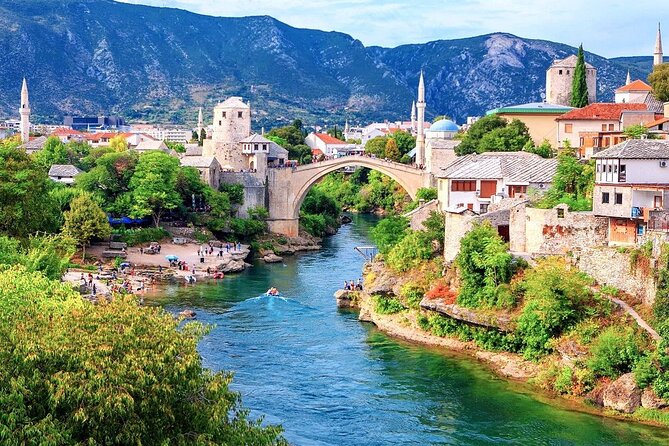
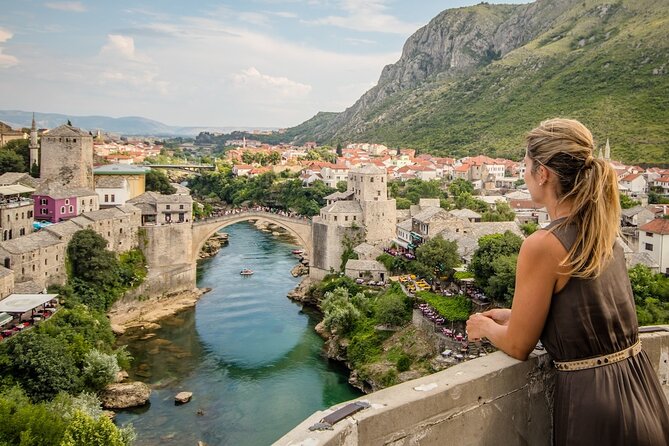
After leaving Montenegro, you cross into Bosnia and Herzegovina and head for Mostar. The city’s Old Bridge, Stari Most, is the central sight. Built in the 16th century in an Islamic architectural style, it is part of the UNESCO-listed old city.
The bridge is beautiful, but its story is also painful. Around the old town, stones marked with Don’t Forget recall the destruction and loss connected with the conflict. You should give yourself time to absorb that history rather than treating the bridge as only a scenic backdrop.
The Old Bazaar has colorful streets, old mosques, Turkish-style shops, and cobbled lanes. You get about an hour for the guided portion, followed by free time later in the afternoon. That split works well because Mostar rewards unplanned wandering.
The tour then visits Blagaj tekija, a monastery beside the Buna River spring at the foot of a cliff. The blue water and dramatic setting make this a peaceful change from Mostar’s stone streets. The stop is short, so stay aware of the meeting time.
Mostar can be one of the emotional high points of the route, but it is also a place where the past is close to the surface. Listen carefully to the guide, and allow room for both beauty and difficult history.
Day Seven: Sarajevo, Three Faiths, and the Latin Bridge
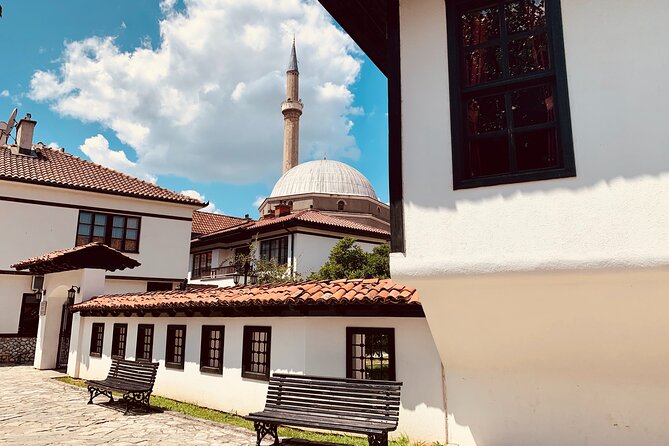
Sarajevo is the final full touring day. The walk covers the city’s Ottoman and Austria-Hungarian quarters, along with markets, mosques, churches, and synagogues. This mix gives Sarajevo its distinctive character and explains why it is often described as a European Jerusalem.
You will also see reminders of the Yugoslav War, including bullet holes and cannon marks. The schedule warns that the day includes uneven ground, so comfortable shoes are essential. This is not a polished museum route. Parts of the city’s story remain visible on its walls.
At the Latin Bridge, the guide explains the assassination of Archduke Franz Ferdinand, an event that helped trigger World War I. The bridge itself is modest, which makes the historical weight of the stop even more striking.
You have free time for Sarajevo’s food and old town. The program specifically points to traditional meat dishes and desserts. Lunch and dinner are your responsibility, so this is another day when you should keep money available for meals.
The Sarajevo visit is brief for such an important city. You receive a strong introduction, but you will not cover every museum or neighborhood. If Sarajevo is your main reason for booking, consider adding extra nights after the tour.
Day Eight: Crossing Into Croatia and Choosing Your Finish
The final day is mainly a transfer. Your tour leader takes you to the Croatian border, and a local driver continues the journey to your hotel in either Dubrovnik or Split.
This arrangement matters because the tour has two possible endings, not one. Confirm your chosen destination when planning flights and hotels. Dubrovnik and Split are both useful onward bases, but they are different cities and should not be treated as interchangeable.
There is no scheduled sightseeing listed for the final day. Think of it as a travel day that closes the route rather than another full excursion.
What the $2,754.29 Price Really Covers
The price includes accommodation and breakfast for all seven nights in three-star hotels. It also covers private transport, a professional tour leader, Tirana pickup, Dubrovnik or Split hotel drop-off, entry tickets for the listed paid sights, tourist taxes, international car insurance, road taxes, and petrol.
That is a meaningful bundle for a five-country route. You avoid arranging cross-border transport, comparing local buses, paying road charges, and organizing separate guides in each country.
The catch is room occupancy. The price is calculated around double, twin, triple, or quadruple rooms, so the value changes if you need a single room or are not sharing accommodation. Lunches, dinners, drinks, snacks, souvenirs, and personal purchases are not included.
I would judge the price as reasonable for someone who values convenience and a small group, but less attractive for an independent traveler who enjoys planning buses and booking simple rooms. The included transport and border logistics are the main reasons to pay for this format.
Who Should Book This Tour?
I would choose this trip if you want a structured introduction to the Balkans and prefer to let someone else handle the complicated road connections. It suits people who enjoy history, local food, religious sites, scenic drives, and a steady stream of new places.
It is also a good choice if you have only eight days and want to connect Albania, Kosovo, Montenegro, Bosnia and Herzegovina, and Croatia in one journey. The small group limit should make the experience more personal, and the support from guides such as Besa and Sirma is a strong point.
I would hesitate if you want long stays, beach time, nightlife, or complete control over each day. You should also think carefully before booking because the tour is non-refundable and cannot be changed after booking.
FAQ
Where does the tour begin?
The tour begins in Tirana, Albania, with hotel pickup and a stated start time of 9:00 a.m.
Where does the tour end?
The tour ends with hotel drop-off in either Dubrovnik or Split, Croatia.
How long is the tour?
The tour lasts approximately eight days and includes seven nights of accommodation.
How many people can join the tour?
The maximum group size is 10 people.
What accommodation is included?
The package includes seven nights in three-star hotels with bed-and-breakfast service. Prices are based on double, twin, triple, or quadruple room occupancy.
Are meals included?
Seven breakfasts are included. Lunches, dinners, drinks, and snacks are not included.
Is transport included?
Yes. The company provides private transport, petrol, road taxes, international car insurance, and the listed transfers between destinations.
Are admission fees included?
Entry tickets for the sites listed as included are covered. These include Bunk’Art 2, Kruja Castle, Sinan Pasha Mosque, Kalaja Fortress, Rozafa Castle, and Blagaj tekija.
Can I cancel or change the booking?
No. The experience is non-refundable and cannot be changed for any reason. You are also responsible for arranging your own health and travel insurance.
Should You Book It?
Book this tour if your priority is seeing a wide slice of the Balkans without managing five countries of transport and border planning yourself. The best parts are the local food stops, Prizren, Kotor, Mostar, Sarajevo, and the farm visit at Mrizi i Zanave.
Skip it if you prefer slow travel or want to spend several days in each major city. At this price, the tour makes the most sense for someone who values a small group, included transport, and a guide who can connect the region’s complicated past with the places you see.
Just added in Tirana
- Wine Tasting day in Berat (Visit to the Berat Castle & Lunch included)★ 4.5 · 6 reviews
- From Tirana Wine Tasting & Food tour in Berat★ 5.0 · 5 reviews
- Visit Albania and Kosovo★ 5.0 · 2 reviews
- Bovilla and Kruja: Where History Meets Nature★ 5.0 · 2 reviews
- Visit Albania and Montenegro★ 5.0 · 1 review
- Virtual Reality Games and Experiences – Perfect place to drink and have fun!★ 5.0 · 2 reviews
- UNESCO heritage in Albania – 4 days★ 5.0 · 3 reviews
- Exclusive Qafshtama National Park Hiking Tour With Private Transfer★ 5.0 · 1 review
Trips Across the Border, compared.
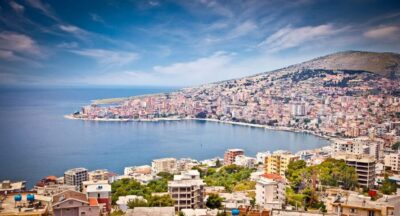
Day Trip to Saranda and Butrint National Park from Corfu
Read our review →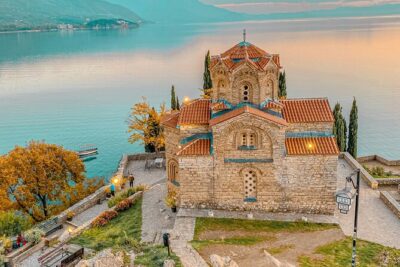
Semi-Private Tour of North Macedonia: Ohrid & Struga from Tirana
Read our review →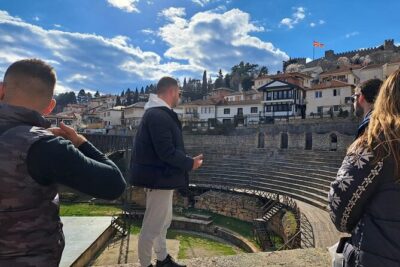
North Macedonia: Ohrid & Saint Naum Day Tour from Tirana
Read our review →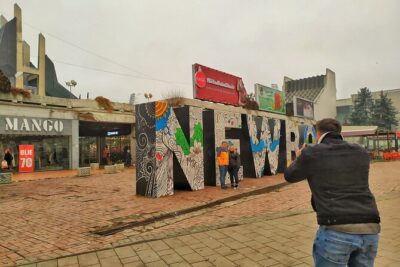
Day Tour of Kosovo from Tirana, Pristina and Prizren
Read our review →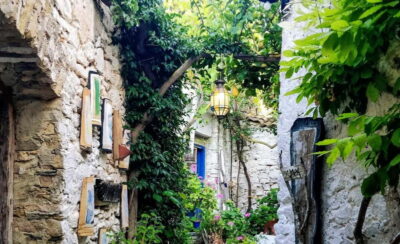
Corfu: Palaiokastritsa Swimming and Loggas Beach Sunset Tour
Read our review →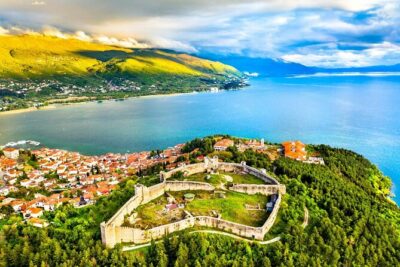
Ohrid – North Macedonia Full Day Tour from Tirana & Durres/Golem
Read our review →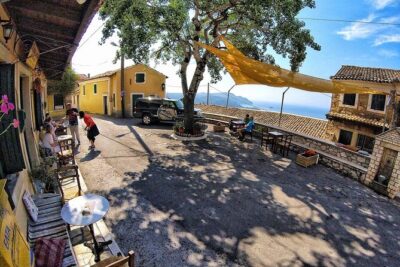
Private Half-Day Jeep Safari in Northwestern Corfu
Read our review →
Semi-Private Day Tour of Montenegro: Budva & Kotor from Tirana
Read our review →Browse the lists this tour appears in