REVIEW · TOURS
Small Group Tour; The Balkans & Central Europe – Tirana to Vienna
History comes quickly on this road trip. This 14-day journey links Albania, Kosovo, Montenegro, Bosnia and Herzegovina, Serbia, Hungary, Slovakia, and Austria in one carefully packed route, moving from Ottoman bazaars and mountain castles to grand Austro-Hungarian squares. I especially like the maximum group size of 10, which should make border crossings, city walks, and shared meals easier to manage. I also like the mix of famous sights and local traditions, including farm food at Mrizi i Zanave and wine in Rahovec and Sremski Karlovci. The main consideration is pace: you cover a lot of ground, and several days include long drives followed by short guided visits.
You pay $4,876.33 per person, based on shared accommodation, for private transport, breakfasts, a tour leader, entry tickets to listed sites, road costs, fuel, and taxes. That is a serious price, but the route crosses eight countries without asking you to arrange hotels, border transport, or parking. If you prefer slow travel with several nights in each city, this will feel rushed. If you want a broad first look at the Balkans and Central Europe, it offers a practical shortcut.
In This Review
- Key points at a glance
- Why this route works for curious first-time visitors
- Day 1: Kruja’s bazaar, castle, and Prizren
- Day 2: Kosovo’s bazaars, monastery, and wine country
- Day 3: Farm food and Shkodra’s hilltop views
- Day 4: Montenegro’s coast, Budva, and Kotor
- Day 5: Mostar and the blue waters of Blagaj
- Day 6: Sarajevo’s Ottoman, Austro-Hungarian, and wartime layers
- Days 7 to 9: Zvornik, Belgrade, and Novi Sad
- Day 10: Subotica’s Art Nouveau and the road to Budapest
- Day 11: Budapest from the Danube to Buda Castle
- Days 12 and 13: Győr, Bratislava, and a final castle walk
- What the $4,876.33 price covers
- Who should book this journey?
- Should you book the Tirana to Vienna route?
- FAQ
- Where does the tour begin?
- Where does the tour end?
- How long is the tour?
- How many people can join the group?
- Which countries does the tour visit?
- Is accommodation included?
- Are meals included beyond breakfast?
- Is transportation included?
- Do I need travel insurance?
Key points at a glance
- Eight countries in 14 days: Start in Tirana and finish with a hotel drop-off in Vienna, passing through Albania, Kosovo, Montenegro, Bosnia and Herzegovina, Serbia, Hungary, Slovakia, and Austria.
- Small group of up to 10 people: A useful size for a private vehicle, guided walks, and quick coordination at borders.
- A strong UNESCO focus: Visit sites and historic areas in places such as Dečani, Kotor, Mostar, Sarajevo, and Budapest.
- Food and wine are part of the route: Mrizi i Zanave, Rahovec Valley, Sremski Karlovci, and Hungarian city stops add local flavor beyond monuments.
- Three-star hotels with breakfast: Accommodation is included, but rooms are priced around double, twin, triple, or quadruple occupancy.
- A one-way journey with built-in convenience: Hotel pickup is offered in Tirana, and the tour leader drops you at your Vienna hotel on the final day.
Why this route works for curious first-time visitors
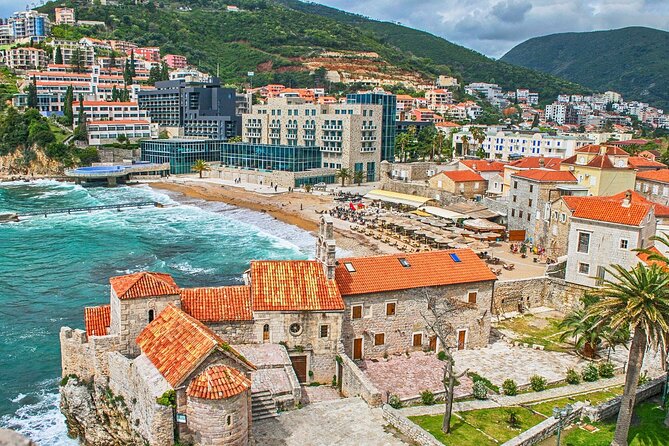
The clever idea here is the direction of travel. You begin among Albania’s Ottoman and medieval sites, then follow a northward route through the former Yugoslav region before reaching the grand cities of Hungary, Slovakia, and Austria.
That gives you a useful historical progression. In Kruja, you see Albania’s resistance to Ottoman expansion. In Prizren and Sarajevo, Ottoman influence remains visible in mosques, bridges, markets, and street patterns. In Belgrade, Novi Sad, Budapest, Bratislava, and Vienna, you encounter the formal boulevards, churches, palaces, and civic buildings shaped by Central Europe.
You will not study each country in great depth. Instead, you get a series of strong introductions, each with a different character. The small group matters here because a 10-person vehicle can reach places that are awkward with a large coach, and a tour leader can keep eight-country logistics from becoming your daily problem.
The route also avoids being only a parade of city centers. Farm tourism, vineyard country, river towns, a monastery, and coastal Montenegro give the journey some variety. That balance is one of its best features.
More trips out of Tirana:
- Hike Gamti Mountain with Bovilla lake view & canyon- From Tirana
★ 5.0 · 1,280 reviews - Berat city UNESCO tour, the Castle & Belshi lake- From Tirana
★ 5.0 · 804 reviews - Walking Tour of Tirana
★ 5.0 · 646 reviews
Day 1: Kruja’s bazaar, castle, and Prizren
The first morning begins at 9:00 a.m. with pickup in Tirana before driving to Kruja. The city sits on rocky ground about 560 meters above sea level, on the slopes of Sarisalltik Mountain. Its setting gives the opening day a real sense of place, rather than dropping you straight into another urban center.
Kruja’s Medieval Old Bazaar is the first major stop. Its narrow streets and wooden houses are ideal for a relaxed walk, and the shops sell handmade carpets, jewelry, and other Albanian souvenirs. You have about an hour here, so you can browse without turning the stop into a forced shopping session.
Kruja Castle adds the historical weight. Built on a rocky hill, it was designed to be difficult to attack. The guide leads you along lesser-known paths once used by locals to leave the castle when enemies surrounded it. This is a good example of how a guide can add meaning that a quick photograph cannot.
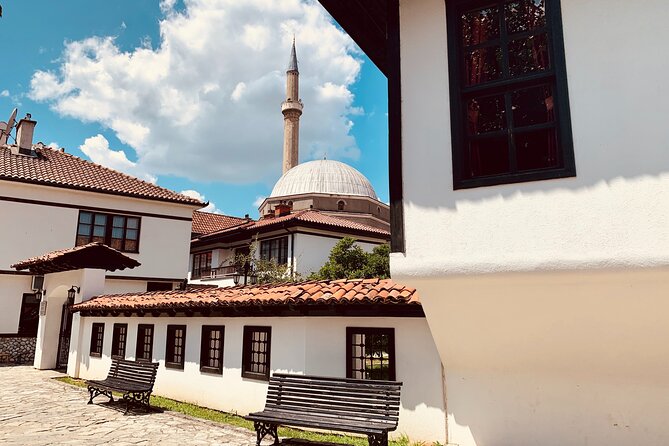
Then comes the border crossing into Kosovo and the attractive old town of Prizren. The river, bridges, medieval houses, and Ottoman-era buildings make it one of the most pleasing stops in the entire route. The Sinan Pasha Mosque is included, with colorful arabesque decoration, followed by a climb to Prizren Fortress for broad views over the town.
The day includes only about an hour in Prizren itself before a free afternoon, so you will need to choose your priorities. If you care about photography, walking, or local food, use the free time well. Prizren’s filigree metalwork is a local specialty, and August brings Dokufest, an international short-film festival.
Day 2: Kosovo’s bazaars, monastery, and wine country
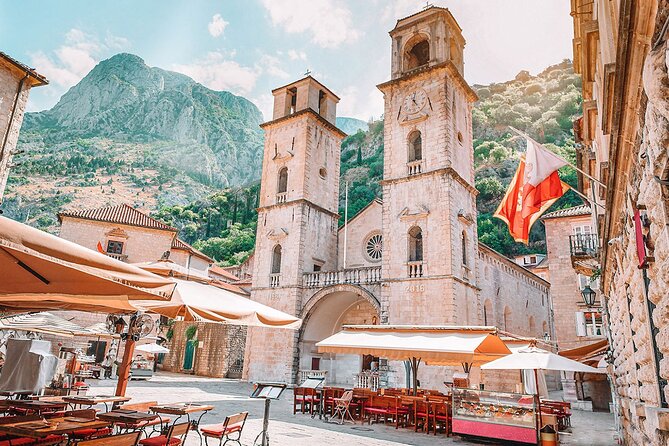
Gjakova gives you another look at Kosovo’s trading culture. Its bazaar was destroyed and rebuilt several times, including after the Kosovo War, but it now offers shops selling local crafts and places to eat. The one-hour visit is short, yet it helps you see how traditional commercial streets remain part of daily life.
The Monastery of Dečani brings a sharp change in mood and style. Its white exterior is memorable, but the main reason to visit is inside: fourteenth-century frescoes linked to the Palaeologan period of Byzantine painting. Orthodox monks still live at the monastery and produce food such as cheese. The monastery became a UNESCO site in 2004.
Security or access arrangements can affect visits to religious sites, so you should follow the tour leader’s instructions closely. The schedule allows about an hour, enough for an introduction rather than a scholarly examination of the frescoes.
The final stop is Rahovec Valley, one of the region’s major wine areas. Grapes have been cultivated here since Illyrian times, and vineyards cover low hills at elevations between 350 and 520 meters. This is a valuable inclusion because it connects the modern region with a farming tradition that reaches back roughly 2,000 years.
Day 3: Farm food and Shkodra’s hilltop views
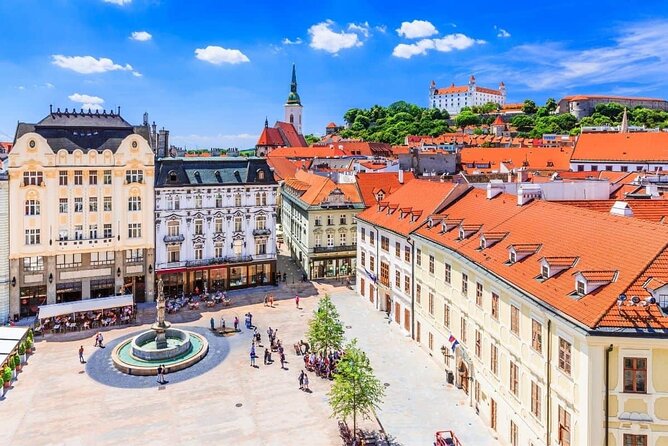
Mrizi i Zanave is among the most distinctive stops on the route. This slow-food farm collects, prepares, and preserves local organic products. You tour the farm, hear how the family business developed, and see how former communist buildings were adapted for storage.
The farm’s social purpose is part of the appeal. It has created jobs for more than 400 people in the surrounding area, showing how food production and tourism can support a wider community. You have free time for a traditional lunch or to buy fresh products, though meals are not included in the tour price.
In the afternoon, you reach Shkodra, one of Albania’s oldest cities. The town gave its name to Lake Shkodra, described as the largest lake in the Balkans, and its castle has walls dating back to the first millennium BCE. Rozafa Castle is the key visit, with views toward the lake and the rivers that flow toward the Adriatic.
Shkodra also carries a Venetian influence, visible in its architecture and handmade carnival masks. February visitors may encounter the city’s carnival festival. The planned city visit is only about an hour, so the castle scenery is likely to be the main memory.
Something completely different:
- Kruja castle, the old Bazaar & Sarisalltik- Departure from Tirana
★ 5.0 · 592 reviews - Albanian Night Show: Traditional Music, Dance & Dinner in Tirana
★ 5.0 · 431 reviews - From Tirana- Hiking Tour to Bovilla Lake & Gamti Mountain
★ 5.0 · 358 reviews - Shala river & Komani lake -Day trip departure from Tirana/Shkodra
★ 5.0 · 309 reviews
Day 4: Montenegro’s coast, Budva, and Kotor
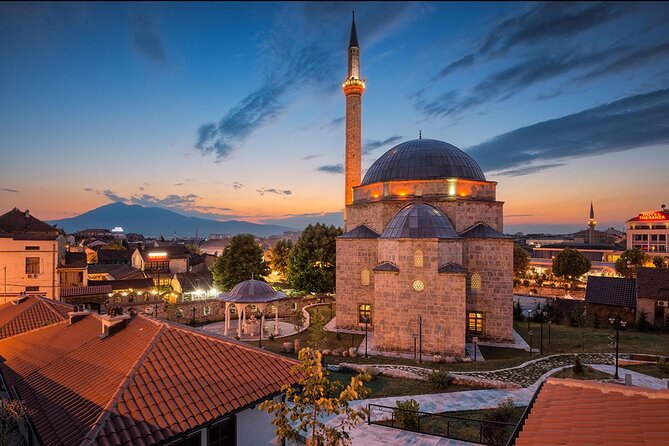
The coastal section begins with a viewpoint near Sveti Stefan. The former fishing village occupies a small island, now used as an exclusive residential resort and unavailable for ordinary visits. You stop for around 30 minutes, which is enough for photographs and a look from the shore.
Budva combines a modern resort area with a much older walled center. The tour focuses on Old Budva, where medieval buildings and churches create a compact walking route. You will see St. Ivan Church, the small Church of St. Mary, and the narrow streets that contrast sharply with New Budva’s shops, offices, restaurants, and modern buildings.
Kotor is the stronger historical stop. Its old town is a maze of cobbled lanes, originally arranged to confuse attackers. Plaques on old buildings identify their construction dates and former uses, giving your walk some context. The tour includes St. Luke’s Church, important locally as a symbol of unity.
Kotor is a place where you could easily spend much longer than an hour. The schedule lets you see the center, but it does not allow time for a major climb or an extensive museum visit. Treat this as a first taste, not a full exploration.
Day 5: Mostar and the blue waters of Blagaj
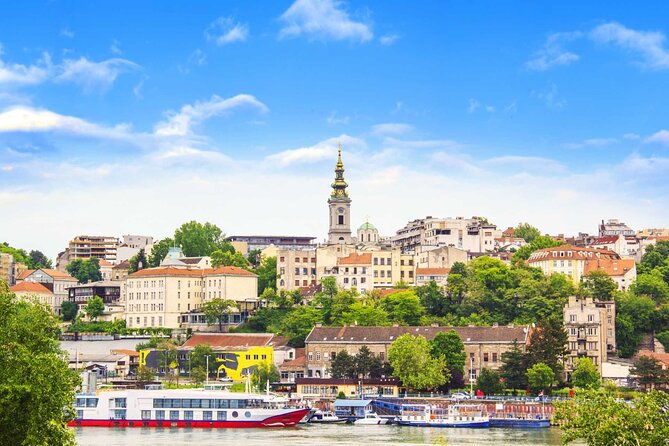
Crossing into Bosnia and Herzegovina, the tour reaches Mostar and its celebrated Stari Most, or Old Bridge. Built in the sixteenth century in an Islamic architectural style, the bridge is both a striking structure and a reminder of the city’s Ottoman past.
The surrounding old city has stone lanes, a Turkish bazaar, mosques, and small shops. The words Don’t Forget appear around Mostar as a reminder of the city’s wartime destruction and the need to remember it. The route does not treat Mostar as a pretty postcard alone, which is important. The old and new parts of the city sit close together, and the contrast is visible as you walk.
Blagaj Tekija is outside Mostar, beside a cliff and the spring of the Buna River. The blue water and Ottoman-era setting make this a calmer stop after the crowds and stones of Mostar. You have free time later in Mostar, so you can return to the old town, eat, or walk without the group.
Day 6: Sarajevo’s Ottoman, Austro-Hungarian, and wartime layers
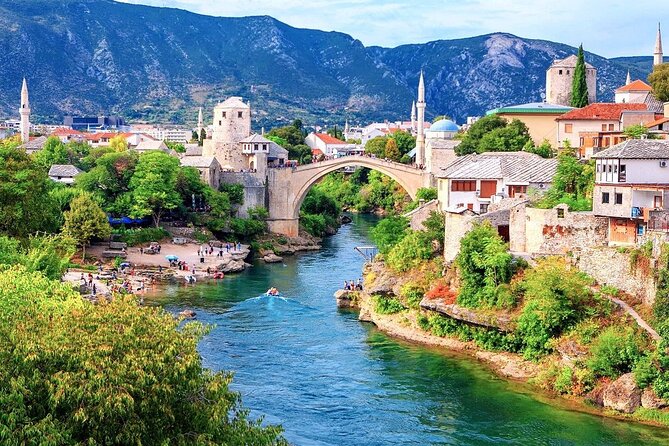
Sarajevo is one of the most rewarding cities on the route, but also one of the most emotionally demanding. Bullet holes and cannon marks remain visible in parts of town, and the walking route includes uneven ground and wartime ruins.
The city tour explains Sarajevo’s beginnings, the medieval Bosnian kingdom, and the later Ottoman and Austro-Hungarian periods. Mosques, churches, synagogues, markets, and bazaars sit within the same urban story, which explains why Sarajevo is often called the European Jerusalem.
The Latin Bridge is the essential historical point. Here, you learn how the assassination of Archduke Franz Ferdinand helped trigger World War I. After the walk, free time allows you to try local meat dishes and desserts in the old town.
The schedule gives about an hour for the main visit and another hour for free time. That is enough to get oriented, but not enough for a detailed museum program. Wear comfortable shoes and expect a serious amount of walking on irregular surfaces.
Days 7 to 9: Zvornik, Belgrade, and Novi Sad
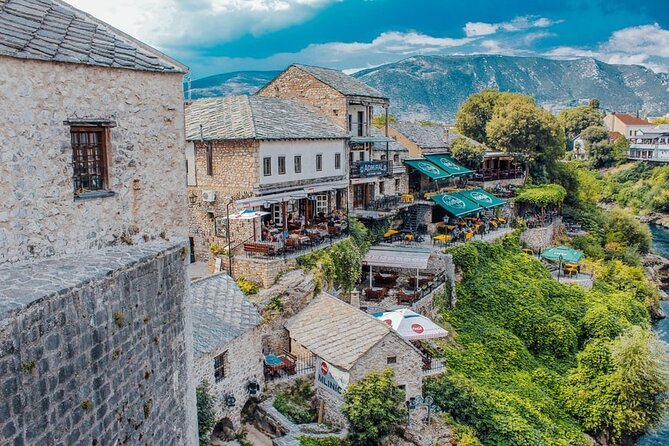
Zvornik provides a quiet stop beside the Drina River before the larger scale of Belgrade. You have time for lunch and a walk through the town, making it a useful pause during a driving day.
Belgrade begins with the fortress and Kalemegdan Park at the meeting point of the Sava and Danube rivers. The Pobednik monument, dating from 1913, is one of the main landmarks, while the park offers open paths and river views. The walk continues along Knez Mihailova, a central pedestrian street, to Republic Square.
Sremski Karlovci is the focus of Day 8. This Baroque town was a center of Serbian culture in the eighteenth century and remains associated with wine cellars. The Four Lions fountain carries a local legend: drink from it and you will return to Karlovci and marry there. You have around two hours, including time to taste regional wine specialties.
Day 9 gives Novi Sad more room, with a three-hour city visit and an overnight stay. The city developed near the old boundary between the Austro-Hungarian and Ottoman empires, and that mixed influence appears in its architecture. Walk the pedestrian streets of Zmaj Jovina and Dunavska, then visit Petrovaradin Fortress, known as the Gibraltar on the Danube.
This is one of the better-paced sections because Novi Sad receives more time than most stops. The overnight also gives you a chance to experience the city after the day’s touring ends.
Day 10: Subotica’s Art Nouveau and the road to Budapest
Subotica is a fine final stop in Serbia. Its center is known for decorated buildings, bright colors, and the multicultural character left by the Austro-Hungarian period. The City Hall dominates the main square, surrounded by a park, fountains, and open space rather than a cathedral.
You have about three hours to walk, eat, and sample local wine. The relaxed atmosphere makes this a pleasant counterpoint to the heavy wartime and imperial history earlier in the route.
Later, you cross into Hungary and continue to Budapest. The half-hour listed visit on arrival is best viewed as an orientation rather than sightseeing. Your real Budapest time comes the next day.
Day 11: Budapest from the Danube to Buda Castle
Budapest is the route’s major Central European city, and the tour introduces both sides of the Danube. Pest brings St. Stephen’s Basilica, the Opera, Parliament, Heroes’ Square, and broad boulevards. Buda contributes the castle district and Fisherman’s Bastion, with views over the river and city.
Buda Castle is included, along with bridges and a Baroque-style street. The guided portion is compact, around an hour at each listed stop, so you will not see every museum or interior. Still, the structure of the day gives you a useful first map of Budapest.
The free evening is particularly valuable. Budapest after dark has its own mood, and you can choose your own dinner or nighttime walk. The city deserves several days, so the main limitation here is obvious: you are receiving an introduction, not a complete visit.
Days 12 and 13: Győr, Bratislava, and a final castle walk
Győr, known as the City of Rivers, offers a smaller-scale Hungarian stop. Its center has multicolored homes, churches, and Baroque streets. The Town Hall’s 59-meter tower is easy to spot, and the Cathedral of the Virgin Mary adds an older Roman-style layer.
The Győr Synagogue is another worthwhile building, with a large gray dome that influenced synagogue design elsewhere in Central Europe. Baross Gábor Way then provides cafés, shops, bars, and restaurants. You have time to sample Hungarian food and the local blueberry beer.
Bratislava is close enough to make the next border crossing feel easy. Its Old Town includes the medieval Old Town Hall and many churches and cultural institutions. Michael’s Gate, the only preserved medieval gate in the city fortifications, is a key landmark.
The walk up to Bratislava Castle rewards you with views over the Danube and city. The final free time is a chance for traditional café culture, with coffeehouses forming an important part of the city’s public life.
What the $4,876.33 price covers
The price includes 13 overnights in three-star hotels, breakfast, private transportation, a professional tour leader, listed entry tickets, hotel pickup in Tirana, hotel drop-off in Vienna, tourist taxes, road taxes, and petrol.
That bundle has real value if you would otherwise need to book eight-country transport and manage border routes yourself. Breakfast is included, but lunches, dinners, drinks, snacks, souvenirs, and personal spending are not. You should budget separately for those daily costs.
The room price is based on double, twin, triple, or quadruple occupancy. Solo pricing is not explained in the supplied details, so ask about a single supplement before booking. The non-refundable booking condition also deserves attention: you cannot receive a refund or change the tour after cancellation.
Who should book this journey?
I would choose this tour if you want:
- A broad introduction to the Balkans and Central Europe
- Private transport without driving across multiple borders
- A small group rather than a large coach
- Medieval towns, Ottoman buildings, UNESCO sites, and imperial architecture
- Food and wine stops alongside traditional sightseeing
- A practical route ending in Vienna after beginning in Tirana
I would hesitate if you want long museum visits, relaxed beach time, or several free days in each major city. The itinerary is active, and some city visits last only an hour. Most people can participate, but Sarajevo includes uneven ground, and several historic centers require walking on cobbles or hills.
The tour leader can make a major difference. Past trips with Choose Balkans have specifically praised guides named Sokol and Mandi, while another organized journey was tailored successfully for two friends. That suggests some flexibility and personal attention may be possible, but you should confirm what can be adjusted on this exact departure.
Should you book the Tirana to Vienna route?
Book it if your goal is to connect many countries and understand the broad links between the Balkans and Central Europe in one trip. The strongest parts are the small group, private vehicle, excellent variety, and inclusion of places that large tours often skip, especially Kruja, Rahovec, Blagaj, Sremski Karlovci, and Subotica.
Do not book it expecting a slow, deep visit to Budapest, Sarajevo, Kotor, or Mostar. You will see the key sights, hear the essential stories, and move on. At this price, the convenience must matter to you. For an organized first journey through a complicated but rewarding region, it is a strong choice, provided you are comfortable with long travel days and shared-room pricing.
FAQ
Where does the tour begin?
The tour begins with hotel pickup in Tirana, Albania, at a start time of 9:00 a.m.
Where does the tour end?
The tour ends in Vienna, Austria, where the tour leader drops you at your hotel on Day 14.
How long is the tour?
The journey lasts approximately 14 days.
How many people can join the group?
The maximum group size is 10 travelers.
Which countries does the tour visit?
The route covers Albania, Kosovo, Montenegro, Bosnia and Herzegovina, Serbia, Hungary, Slovakia, and Austria.
Is accommodation included?
Yes. Accommodation and breakfast are included for all overnights in three-star hotels.
Are meals included beyond breakfast?
No. Lunches, dinners, drinks, snacks, souvenirs, and personal spending are not included.
Is transportation included?
Yes. The price includes private transportation, petrol, road taxes, and tourist taxes.
Do I need travel insurance?
Yes. Each participant is responsible for arranging personal health and travel insurance.
Just added in Tirana
- Wine Tasting day in Berat (Visit to the Berat Castle & Lunch included)★ 4.5 · 6 reviews
- From Tirana Wine Tasting & Food tour in Berat★ 5.0 · 5 reviews
- Visit Albania and Kosovo★ 5.0 · 2 reviews
- Bovilla and Kruja: Where History Meets Nature★ 5.0 · 2 reviews
- Visit Albania and Montenegro★ 5.0 · 1 review
- Virtual Reality Games and Experiences – Perfect place to drink and have fun!★ 5.0 · 2 reviews
- UNESCO heritage in Albania – 4 days★ 5.0 · 3 reviews
- Exclusive Qafshtama National Park Hiking Tour With Private Transfer★ 5.0 · 1 review
Tours, compared.
Berat city UNESCO tour, the Castle & Belshi lake- From Tirana
Read our review →
Berat Tour Osumi Canyons Exploration Lunch Transfer
Read our review →
Osumi Canyons and Bogova Waterfall from Berat – Tour by 1001 Albanian Adventures
Read our review →