
REVIEW · BLUE EYE SPRING TOURS
Tour of Komani, Valbona, Thethi, Blue Eye in three days
Three days can reach Albania’s wild north. This fast-moving trip links Komani Lake’s canyon waters with the mountain valleys of Valbona and Theth, then finishes at the famous Blue Eye before returning toward Tirana or Shkoder. I like the way transport, the Komani ferry, accommodation, breakfast, and a professional guide are bundled together.
I also like the mix of nature and local culture. You see an old village mill, a centuries-old lock-in tower, waterfalls, a glacial lake, and high mountain paths rather than only stopping for photographs. The main drawback is the pace: the Valbona Pass hike takes about seven hours, and the trip requires moderate physical fitness.
In This Review
- The trip at a glance
- Why this route is worth your three days
- Day 1: Komani Lake to Valbona Valley
- The 150-year-old mill in Valbona
- Lake Xhema and its unusual altitude
- Day 2: Rragami Waterfall and the Valbona Pass
- Rragami Waterfall, an easy warm-up walk
- Valbona Pass, the serious commitment
- Theth National Park after the crossing
- Day 3: Theth’s tower, waterfall, and Blue Eye
- The Tower of Nikoll Koceku
- Grunasi Waterfall
- The Blue Eye of Theth
- The return through Bogë and back toward Tirana
- What the $591.46 price really covers
- Who should book this northern Albania route?
- Should you book it?
- FAQ
- How long is the tour?
- Where does pickup take place?
- Is the Komani Lake ferry included?
- How difficult is the Valbona Pass hike?
- Are meals included?
- Can I cancel for a full refund?
The trip at a glance
- Komani Lake by ferry: Travel through a narrow reservoir enclosed by forested hills, steep rock walls, and deep gorges.
- Valbona’s old mill and Lake Xhema: Pair major mountain scenery with smaller places that show how people lived and worked in the valley.
- Valbona Pass: Cross the Albanian Alps on a 9.5-kilometer trail at a high point of 1,759 meters.
- Theth’s historic tower: Enter a 388-year-old lock-in tower tied to the region’s blood-feud tradition.
- The Blue Eye of Theth: Reach a clear blue and emerald pool formed by the Black River near Kaprre.
- Transport made simpler: Hotel pickup, ferry tickets, local transfers, two breakfasts, and return transport are included.
Why this route is worth your three days
Northern Albania is not a place you visit well by simply ticking off roadside viewpoints. The appeal comes from the sequence: a boat through a man-made lake, a road into a remote valley, a demanding mountain crossing, and walks to waterfalls and springs.
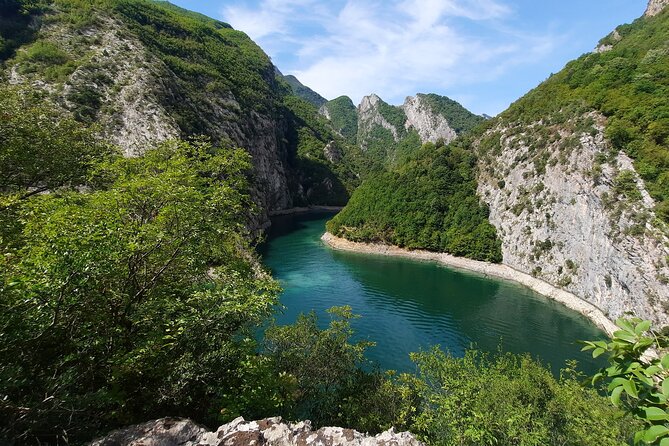
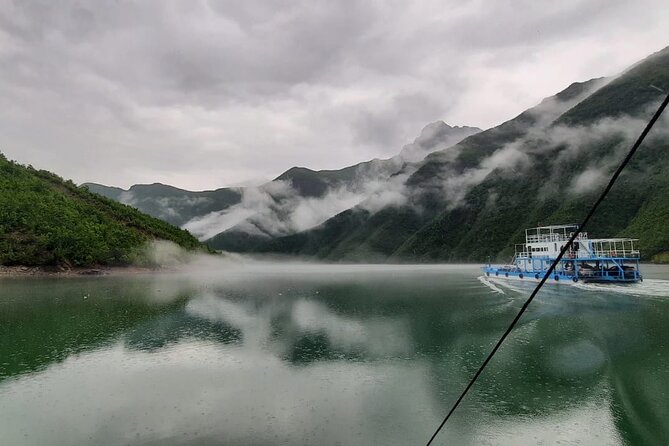
Komani Lake gives you a strong opening. The reservoir was built between 1979 and 1988 near Koman, with a dam 115 meters high. Today, the water fills a narrow river valley for about 34 square kilometers. At some points, the gorge is more than 50 meters wide, with steep canyon walls rising directly from the water.
I like that this first stop is not just a scenic boat ride. The lake supports habitats for species such as golden jackals, otters, foxes, badgers, and several bird species. You may not see wildlife from the ferry, but the protected, quiet setting helps explain why the journey feels so far from city Albania.
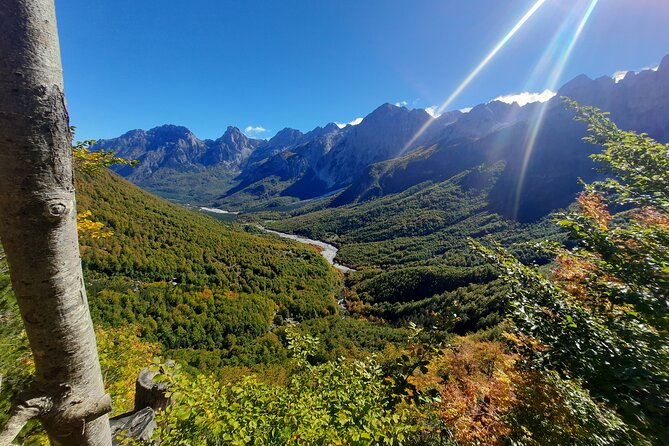
The route then moves toward Valbona Valley, part of the larger Alps of Albania National Park since 2022. The valley includes coniferous and broadleaf forests, glacial springs, waterfalls, rock formations, and the Valbona River. It is remote, largely preserved, and a good reason to spend time in northern Albania instead of treating the area as a quick day trip.
More Blue Eye trips:
- Hiking Tour of Valbona, Theth & Blue Eye in 3 Days from Tirana
★ 5.0 · 73 reviews - Semi-Private Day Tour of Theth & Blue Eye from Tirana / Shkoder
★ 5.0 · 52 reviews - From Tirana/Durrës: Saranda, Ksamil, and Blue Eye Tour
★ 4.6 · 49 reviews
Day 1: Komani Lake to Valbona Valley
The day begins early, with pickup at your hotel or accommodation. You provide the address at least one day before departure, and transport is arranged from Tirana or Shkoder to Komani.
The Komani Lake portion lasts about two hours and includes admission. Expect the water to do most of the work here. The ferry moves through narrow channels, wooded slopes, and dramatic gorges where the reservoir often feels more like a flooded mountain passage than a conventional lake.
This is one of the trip’s strongest sections because the ferry is also practical transport. You are not taking a separate sightseeing cruise and then repeating the journey by road. The boat connects the Koman area with Fierze Dam, after which a local transfer continues to Valbona.
The change from boat to mountain road takes time, so keep your first day flexible. This is not a polished, tightly choreographed city excursion. The northern route depends on roads, ferry timing, and mountain conditions, which is part of the experience but also means you should expect a long day.
Once in Valbona, you have about two hours in the valley. Valbona is known for its high peaks, forest, clear river, and quiet rural setting. The description of the area as remote is accurate in practical terms: this is a place for fresh air, walking, and mountain views rather than shops and nightlife.
The 150-year-old mill in Valbona
The old mill is a worthwhile stop because it adds a human scale to the scenery. Local villagers once used it to grind corn, wheat, and other grains, and the large grinding stones and equipment remain in place.
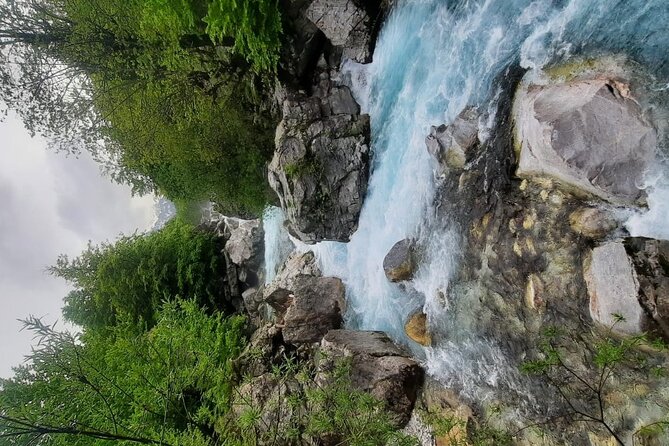
The mill is almost 150 years old and sits near the road before entering the village. Cross the wooden bridge and pause beside the blue Valbona River, where water runs through large rocks. I like this stop because it shows how the valley functioned before tourism became its main source of attention.
You spend about an hour here. It is not a major museum with a large collection, so the value comes from the setting and the surviving machinery. If you enjoy ordinary buildings with a direct link to village life, give it proper attention rather than rushing through.
Lake Xhema and its unusual altitude
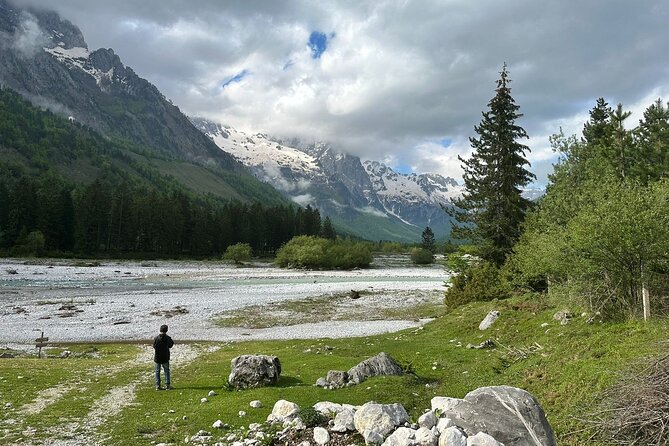
Lake Xhema, also called the Lake of Xhema, is another one-hour stop. It lies at Quku i Dunishes on the road from Dragobi to Valbona and takes its name from a nearby landowner.
The lake is unusual because it sits at about 770 meters above sea level. Glacial lakes usually occur above 1,500 meters, making this a rare lower-altitude example. Its surface covers about 500 square meters, and the water can reach three meters in depth.
Beech trees surround the small pool, whose color shifts between deep blue and clearer tones. Spring brings the highest water level, while winter brings the lowest. In winter, the lake can freeze and become covered with snow.
This is a quiet stop, not a place for a long activity. The hour allows time to walk, look into the clear water, and take photographs. I would value it most as a contrast to Komani Lake: one is broad and canyon-like, the other is a small, enclosed pool in the forest.
More treks in the Albanian Alps:
- Shala river & Komani lake -Day trip departure from Tirana/Shkodra
★ 5.0 · 309 reviews - Albanian Alps and Theth Village Day Tour from Tirana
★ 5.0 · 116 reviews - Day Tour of Theth & Hike to Blue Eye from Tirana, Durres/Shkoder
★ 4.0 · 43 reviews - Day tour of Theth from Tirana
★ 5.0 · 33 reviews
Day 2: Rragami Waterfall and the Valbona Pass
Day two is the physical center of the trip. It begins with the Rragami Waterfall, followed by the long crossing over Valbona Pass and a visit to Theth National Park.
Rragami Waterfall, an easy warm-up walk
The walk to Rragami Waterfall takes about 50 to 60 minutes each way. The trail runs through beech forest and climbs a maximum of about 200 meters, making it an easier outing than the pass crossing that follows.
The waterfall is linked to the source of the Valbona River. Water rises from natural springs and forms the fall near Rragam village at the upper end of the valley. The Valbona River continues for about 50 kilometers before reaching Fierza Lake.
This stop is useful because it lets you walk before the hardest section of the day. The forest, spring water, and waterfall provide a close look at the natural systems that shape the valley. The route is described as easy, but you still need suitable shoes, especially if the path is wet.
Valbona Pass, the serious commitment
The Valbona Pass trail connects Valbona with Theth. It reaches 1,759 meters and covers about 9.5 kilometers to Theth. The elevation difference is about 630 meters when crossing from Valbona, compared with about 850 meters when starting from Theth.
The listed time is seven hours. That figure matters. You should not treat this as a casual stroll between two villages. It is a full mountain hike, and the day will feel active even if you regularly walk.
The trail can begin from the guesthouse area in the valley or from the Gjelaj neighborhood in Rragam. It may be walked in either direction, but this program places the crossing after the Valbona portion and before the Theth stop.
The reward is a changing view of the Albanian Alps, with higher peaks around the pass and a clear sense of moving between two distinct valleys. You also get a more meaningful understanding of the region’s old travel routes. The pass has long been used by people crossing between Valbona and Theth, and it remains the route’s defining experience.
The limitation is equally clear: the pass may be too demanding if you have a health condition, poor balance, or little experience with long uphill walks. The tour asks for moderate physical fitness, but that phrase should not be read as permission to arrive in sandals and hope for the best. Wear proper walking shoes and carry water and food, since lunch and snacks are not included.
Theth National Park after the crossing
After the pass, Theth provides the setting for the next part of the trip. The area became part of the Alps of Albania National Park in 2022, and Theth itself has protected historic-center status.
The valley includes rivers, forests, waterfalls, steep peaks, and rock formations. Theth is also important for its cultural heritage, so this is more than a nature stop. You see a place shaped by isolation, mountain travel, and traditional village life.
The listed visit lasts about an hour. After a seven-hour hike, you may appreciate a slower look at the valley more than another packed activity. This is also the point where a private tour can help: because only your own group participates, the guide can help keep the pace practical for the people in your vehicle.
Day 3: Theth’s tower, waterfall, and Blue Eye
The third day begins with some of Theth’s best-known sights before the return drive. It is still active, but the walks are shorter than the Valbona Pass crossing.
The Tower of Nikoll Koceku
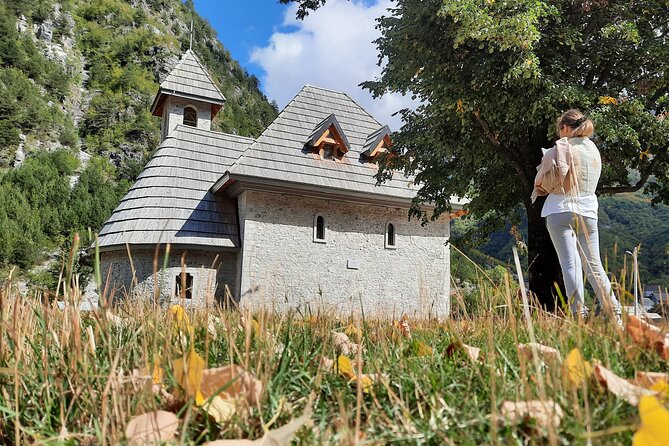
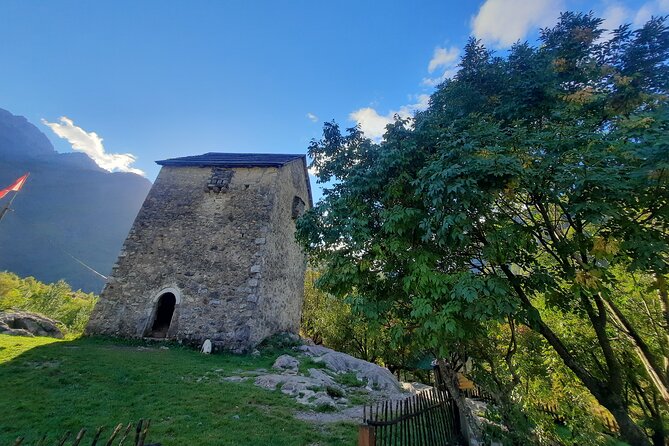
The Tower of Nikoll Koceku is a lock-in tower with almost four centuries of history. Built about 388 years ago, it has three floors, with old wooden flooring on the upper two levels.
The tower was used by families caught in blood feuds. Men over the age of 14 could be forced to remain inside for protection, while women were allowed to leave and work land in front of the building. That grim detail gives the structure real meaning. It is not simply an old stone house with a scenic location.
The visit lasts about 30 minutes and admission is included. The tower lies south of Theth village near the Shala River. I like this stop because it gives context to the region’s traditional buildings and social customs. Without it, the trip could feel like a string of beautiful natural sites with no connection between them.
Grunasi Waterfall
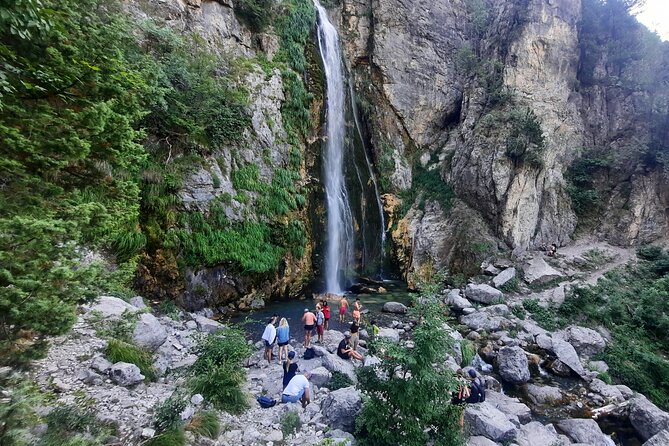
Grunasi Waterfall is a one-hour stop and a natural monument since 2002. Water drops about 25 meters through a narrow rocky channel on the western side of the Theth Valley.
The waterfall begins near the western foot of Boshi mountain. Below the fall, water collects in a pond before continuing into the Theth Valley and joining the Shala River. Forest covers the slopes around it, and sunlight can create a rainbow in the spray.
This is a good place to slow down after the previous day’s hike. The walk is not described with a precise distance, so ask the guide about the conditions and pace on the day. As with the other mountain stops, sensible footwear matters.
The Blue Eye of Theth
The Blue Eye is about seven kilometers from central Theth in the village of Kaprre. The attraction is a natural pool, sometimes called the Black Well, formed by the flow of the Black River.
The pool covers about 100 square meters and reaches roughly four to five meters in depth. Depending on the season, its water can appear blue or emerald. Rocky and green slopes surround it, giving the pool a strong sense of enclosure.
The stop lasts about two hours. That allows time to reach the pool, look around, and enjoy the setting rather than only jumping out for a photograph. The Black River begins at Maja e Zeze, draws much of its water from melting snow, and joins the Shala River at Nderlysa before continuing toward the Drin and Komani Lake.
The Blue Eye is likely to be the most photographed stop of the trip, but it works best when you see it as part of the entire water story. You began on a reservoir fed by northern rivers, followed the Valbona River, visited waterfalls and springs, and finish at a clear mountain pool.
The return through Bogë and back toward Tirana
The route includes about an hour in Bogë, a village in northern Albania historically connected with the Kelmendi tribe. The village is divided into the Preçaj and Kolaj sections and lies near the headwaters of Prroni i Thate.
Bogë adds a brief rural stop before the long return. It is not presented as a major attraction with a large program, so I would treat it as a chance for photographs and a break rather than the reason to choose the tour.
The final return takes about three hours. Transport is provided from Theth to your hotel in Tirana or Shkoder, with short photo stops at special places along the way. After several walking sections, that arranged transfer is valuable. You do not have to solve the return route yourself at the end of an active trip.
What the $591.46 price really covers
At $591.46 per person, this is not a bargain day tour. It is a three-day private experience, and the price needs to be judged against what is included.
The package covers accommodation and breakfast for both nights, two breakfasts, a professional guide, hotel pickup and drop-off, company transport from Tirana or Shkoder to Komani, the Komani Lake ferry, local transport from Fierze to Valbona, and transport from Theth back toward Tirana or Shkoder. Admission fees and taxes are also included.
That bundle removes several awkward connections in a difficult region. The ferry, Fierze transfer, mountain roads, overnight stays, and return drive would be a lot to arrange independently in only three days.
Food is the main extra cost. Dinner, lunch, snacks, and personal spending are not included. Plan for those expenses and do not assume the listed breakfasts cover your food on the long hiking day.
The private format is another important value point. Only your group participates, and group discounts are offered. A private booking may be particularly useful if your party has different walking speeds or wants to spend more time at the mill, Lake Xhema, or the Blue Eye.
Who should book this northern Albania route?
I would choose this trip if you want a concentrated introduction to the Albanian Alps and prefer arranged transport over piecing together ferries, roads, and accommodation.
It suits you best if you:
- Can handle a seven-hour mountain hike
- Enjoy waterfalls, rivers, forests, and high passes
- Want both natural sights and local history
- Prefer a private group rather than a large shared departure
- Are comfortable with early starts and long transport days
- Want to visit from Tirana or Shkoder without arranging each connection yourself
I would think twice if your main goal is a slow holiday. The schedule includes many stops, and the Valbona Pass takes most of one day. The tour also requires good weather. If conditions force cancellation, you are offered another date or a full refund.
Pickup is available at your accommodation, with the address sent at least one day before departure. Confirmation is received at booking, service animals are allowed, and the experience is offered in English. Free cancellation is available up to 24 hours before the start time. Changes or cancellations inside that window are not refunded.
Should you book it?
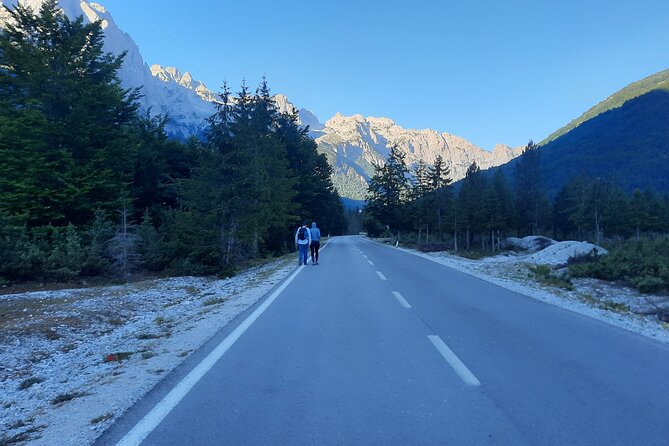
Book this tour if you want the hard-to-reach highlights of northern Albania in one efficient route, and if the seven-hour Valbona Pass hike sounds exciting rather than alarming.
The strongest reasons to go are the Komani ferry, the private transport, the old mill and tower, and the chance to connect Valbona and Theth on foot. The honest warning is that three days leaves little room for rest, and meals beyond breakfast are your responsibility.
For an active visitor who values wild scenery, mountain villages, and a capable guide, the $591.46 price can make sense. For a relaxed break, choose a slower plan with more nights in one valley.
FAQ
How long is the tour?
The experience lasts approximately three days.
Where does pickup take place?
Pickup is available at the traveler’s location. You need to send the address at least one day before the trip begins.
Is the Komani Lake ferry included?
Yes. The ferry ticket from Komani Lake to Fierze Dam is included.
How difficult is the Valbona Pass hike?
The hike takes about seven hours and follows a 9.5-kilometer trail. The tour requires a moderate level of physical fitness.
Are meals included?
Accommodation and two breakfasts are included. Dinner, lunch, snacks, and personal spending are not included.
Can I cancel for a full refund?
Yes, if you cancel at least 24 hours before the experience start time. If poor weather or an unmet minimum number of participants causes cancellation, you are offered a different date or a full refund.
Just added in Tirana
- Wine Tasting day in Berat (Visit to the Berat Castle & Lunch included)★ 4.5 · 6 reviews
- From Tirana Wine Tasting & Food tour in Berat★ 5.0 · 5 reviews
- Visit Albania and Kosovo★ 5.0 · 2 reviews
- Bovilla and Kruja: Where History Meets Nature★ 5.0 · 2 reviews
- Visit Albania and Montenegro★ 5.0 · 1 review
- Virtual Reality Games and Experiences – Perfect place to drink and have fun!★ 5.0 · 2 reviews
- UNESCO heritage in Albania – 4 days★ 5.0 · 3 reviews
- Exclusive Qafshtama National Park Hiking Tour With Private Transfer★ 5.0 · 1 review
Blue Eye Spring Tours, compared.
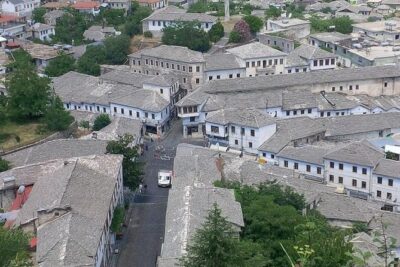
The Stone City & Blue Eye- The monument of Nature.
Read our review →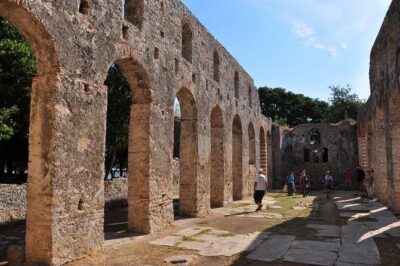
Butrint, Ksamil, Blue Eye, Lekuresi Castle. All-in-one daytrip.
Read our review →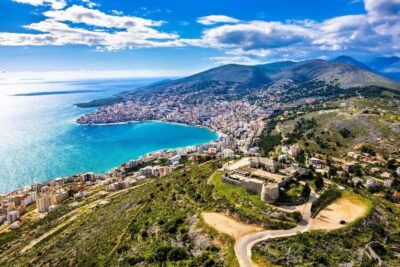
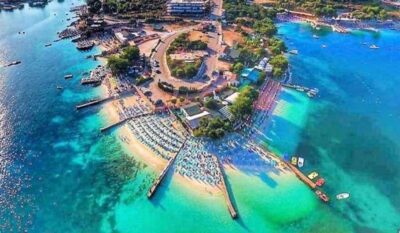
From Durrës or Golem: Ksamil, Saranda and Blue Eye Tour
Read our review →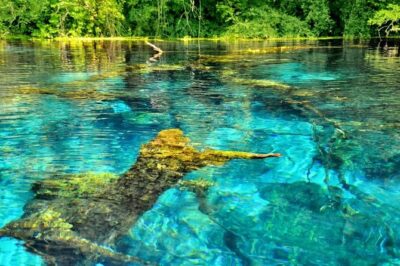
Butrint, Blue Eye, Ksamil and Lekuresi Castle Tour From Saranda
Read our review →
1-Day Tour in Blue Eye, Monastery, Gjirokaster and Lekursi Castle
Read our review →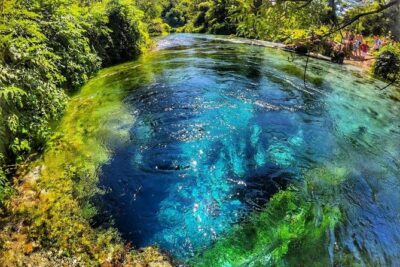
Semi-Private Day Tour of Theth & Blue Eye from Tirana / Shkoder
Read our review →Browse the lists this tour appears in